

RedKalion
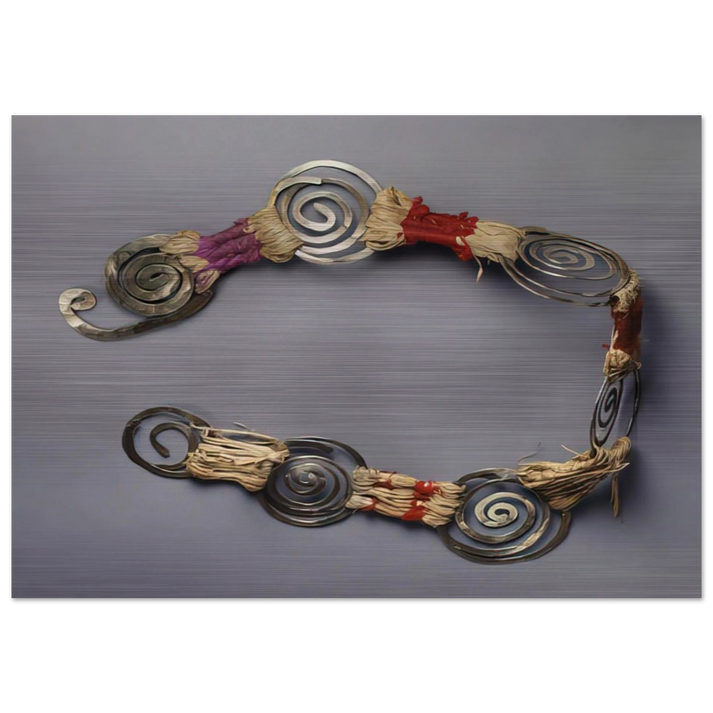
BELT 1935 - Alexander Calder Brushed Aluminum Print - 70x100 cm / 28x40 inches | Alexander Calder Aluminum Print | Alexander Calder Prints
BELT 1935 - Alexander Calder Brushed Aluminum Print - 70x100 cm / 28x40 inches | Alexander Calder Aluminum Print | Alexander Calder Prints
Učitavanje dostupnosti preuzimanje nije moguće
Experience the Kinetic Vision of Alexander Calder with 'Belt' (1935)
Alexander Calder redefined the boundaries of sculpture and abstraction, bridging the gap between mechanical engineering and fine art. This museum-quality reproduction of 'Belt' (1935) captures the minimalist elegance and rhythmic precision characteristic of Calder's mid-1930s transition. As an Alexander Calder aluminum print, this piece offers a sophisticated, industrial texture that complements the artist's structural mastery.
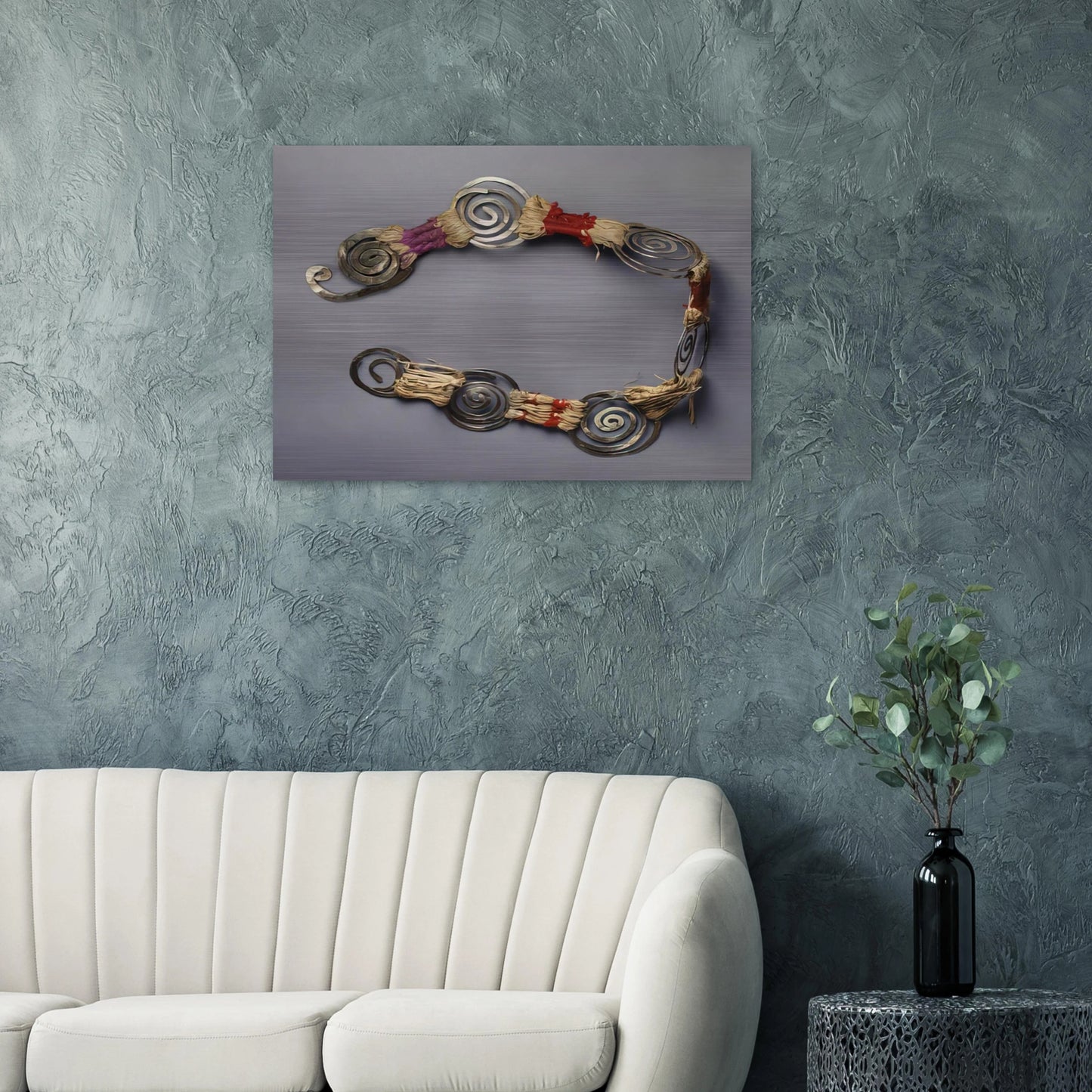
Produced on premium 3mm Brushed silver Aluminum DIBOND®, this artwork utilizes a unique horizontal grain to create a dynamic visual experience. In this Alexander Calder print, any unprinted white areas are transformed into a striking metallic silver finish, allowing the light to play across the surface much like Calder's own iconic metal sculptures. The result is a glare-free, matte masterpiece that evolves as you move through the room.
Technical Excellence & Material Integrity
- Brushed Aluminum DIBOND®: A 3mm rigid base with a horizontal grain that provides a contemporary, metallic sheen.
- Direct UV Printing: Vibrant colors and deep blacks are printed directly onto the metal, ensuring a durable, fade-resistant finish.
- Sophisticated Aesthetic: The silver metallic effect in white zones provides a unique depth that traditional paper prints cannot replicate.
- Ready to Exhibit: Each archival print arrives with a professional hanging kit included, ensuring an effortless elevation of your space.
RedKalion’s Commitment to Art Historical Integrity
At RedKalion, we curate fine art prints that honor the artist's original intent while utilizing modern, archival-grade materials. Calder’s 'Belt' reflects his exploration of organic shapes within a structured space. By choosing a brushed aluminum substrate, we echo the materiality Calder frequently employed in his mobiles and stabiles, bringing a piece of modern art history into your environment with museum-grade precision.


Discover Unlimited Art Possibilities
At RedKalion, you can find virtually any artwork from any artist, available in a wide range of sizes to perfectly match your space.
If you didn’t find what you’re looking for, contact us at support@redkalion.com . We will source any artwork and produce it in any size and format you need, including art prints, posters, canvas, framed pieces, framed canvas, and more.
For dedicated art enthusiasts, we also offer handcrafted replicas of any artwork, carefully painted by highly skilled artists using traditional techniques.
For custom requests, contact us at support@redkalion.com .
What defines the quality of this Alexander Calder aluminum print?
RedKalion uses 3mm Aluminum DIBOND®, a premium composite material providing exceptional rigidity and a sleek profile. Our direct-to-substrate UV printing ensures professional-grade color accuracy and a glare-free matte finish suitable for high-end gallery displays.
What is the unique 'metallic silver effect' on this print?
The print is produced on brushed silver aluminum. Any white areas in the original 'Belt' (1935) design are left unprinted, allowing the natural metallic grain and silver finish of the DIBOND® to shine through for a dynamic, industrial look.
Is the hanging hardware included with my purchase?
Yes, every Alexander Calder aluminum print from RedKalion includes a specialized hanging kit. The specific hardware varies by fulfillment country to ensure the most secure and aesthetic mounting for your 70x100 cm masterpiece.
How long will an AluDibond print last in a home environment?
AluDibond is incredibly durable and archival. The UV-resistant inks prevent fading, while the aluminum base is resistant to temperature changes and moisture, ensuring your fine art reproduction remains in museum condition for decades.
How does the brushed finish affect the artwork's visibility?
The brushed silver finish features a horizontal grain that interacts with ambient light. This creates a matte, glare-free surface, making it an ideal choice for rooms with high natural light where traditional glass-framed prints might suffer from reflections.
What is the historical significance of Alexander Calder's 'Belt' (1935)?
'Belt' (1935) represents a pivotal moment in Calder’s career as he transitioned from delicate wire work toward more grounded, geometric abstractions. It showcases his mastery of balance and his ability to imply movement within a static, two-dimensional composition.
How did Calder's engineering background influence his artwork?
Calder’s training as a mechanical engineer allowed him to understand the structural integrity of metals. This expertise is evident in the precise linework and spatial awareness of prints like 'Belt,' which bridge the gap between industrial design and fine art.