

Discover Unlimited Art Possibilities
At RedKalion, you can find virtually any artwork from any artist, available in a wide range of sizes to perfectly match your space.
If you didn’t find what you’re looking for, contact us at support@redkalion.com . We will source any artwork and produce it in any size and format you need, including art prints, posters, canvas, framed pieces, framed canvas, and more.
For dedicated art enthusiasts, we also offer handcrafted replicas of any artwork, carefully painted by highly skilled artists using traditional techniques.
For custom requests, contact us at support@redkalion.com .
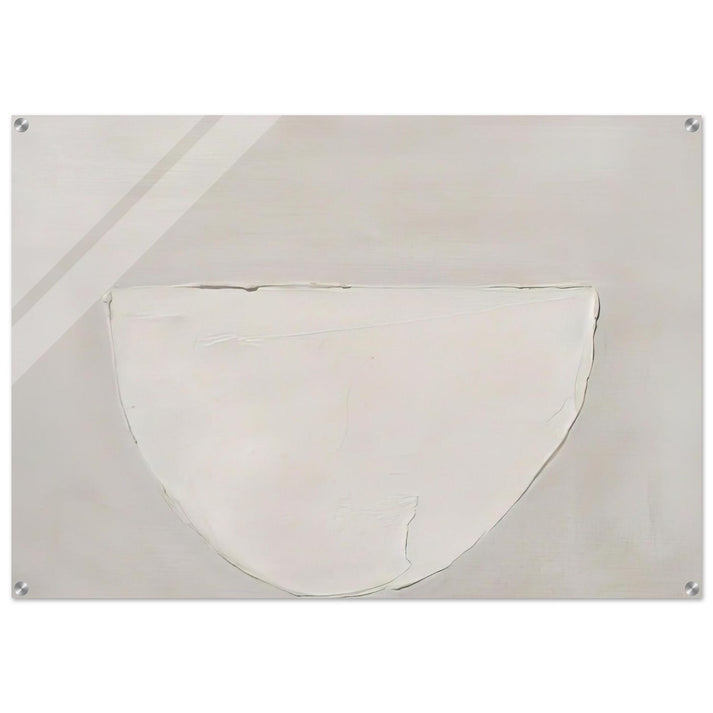
What material is used for the Bowl White on Grey print?
We use premium 4mm (0.15") thick acrylic. This provides a sleek, modern finish that is more durable and vibrant than traditional glass, ensuring your William Scott wall art remains a stunning centerpiece.
How do I hang the William Scott acrylic print?
Each print includes a professional hanging kit with screws. The acrylic features pre-drilled holes at each corner, located 14mm from the edge, designed for a secure and elegant display.
Will the colors in this William Scott wall art fade over time?
No. RedKalion uses archival-grade, UV-resistant inks specifically designed for acrylic surfaces. This museum-quality reproduction is built to maintain its color integrity and vibrancy for decades.
What are the corner specifications for this print?
This William Scott print features precision straight-cut corners, offering a clean, minimalist silhouette that complements modern interior design and the abstract nature of the artwork.
What happens to transparent areas in the artwork?
To ensure the best visual presentation and color accuracy, any transparent areas in the original digital file default to white during the printing process on our acrylic panels.
What is the significance of the year 1962 in William Scott's career?
1962 was a pivotal year for Scott, as he moved toward greater abstraction. "Bowl White on Grey" represents his shift toward simplified, iconic forms and a more restricted, sophisticated color palette.
What does the motif of the bowl represent in Scott’s work?
For William Scott, the bowl was a recurring archetype. It allowed him to explore the relationship between form and space, transforming a common domestic object into a study of geometry and balance.