

RedKalion
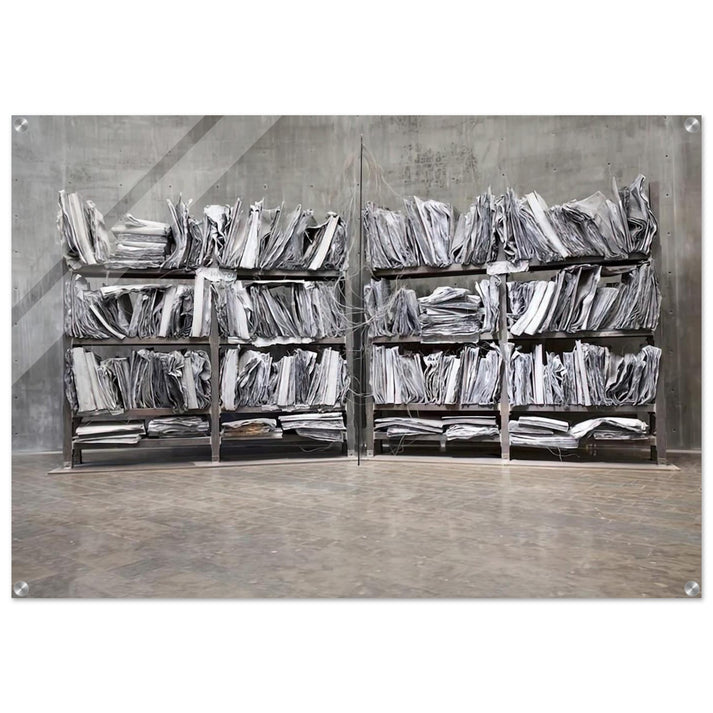
THE HIGH PRIESTESS ZWEISTROMLAND 1989 - Anselm Kiefer Acrylic Print - 70x100 cm / 28x40″ inches | Anselm Kiefer Wall Art | Anselm Kiefer Prints
THE HIGH PRIESTESS ZWEISTROMLAND 1989 - Anselm Kiefer Acrylic Print - 70x100 cm / 28x40″ inches | Anselm Kiefer Wall Art | Anselm Kiefer Prints
Učitavanje dostupnosti preuzimanje nije moguće
The High Priestess Zweistromland 1989 - Anselm Kiefer Acrylic Print
Immerse yourself in the profound symbolism of Anselm Kiefer's The High Priestess Zweistromland 1989, a monumental work from his celebrated Zweistromland series. This museum-quality acrylic print captures the raw, textured essence of Kiefer's mixed-media original, where he masterfully blends acrylic, emulsion, and shellac on canvas to explore themes of German history, mythology, and cultural memory. The piece evokes a somber, contemplative mood, inviting viewers to reflect on the intersections of past and present through its layered, almost archaeological surface.
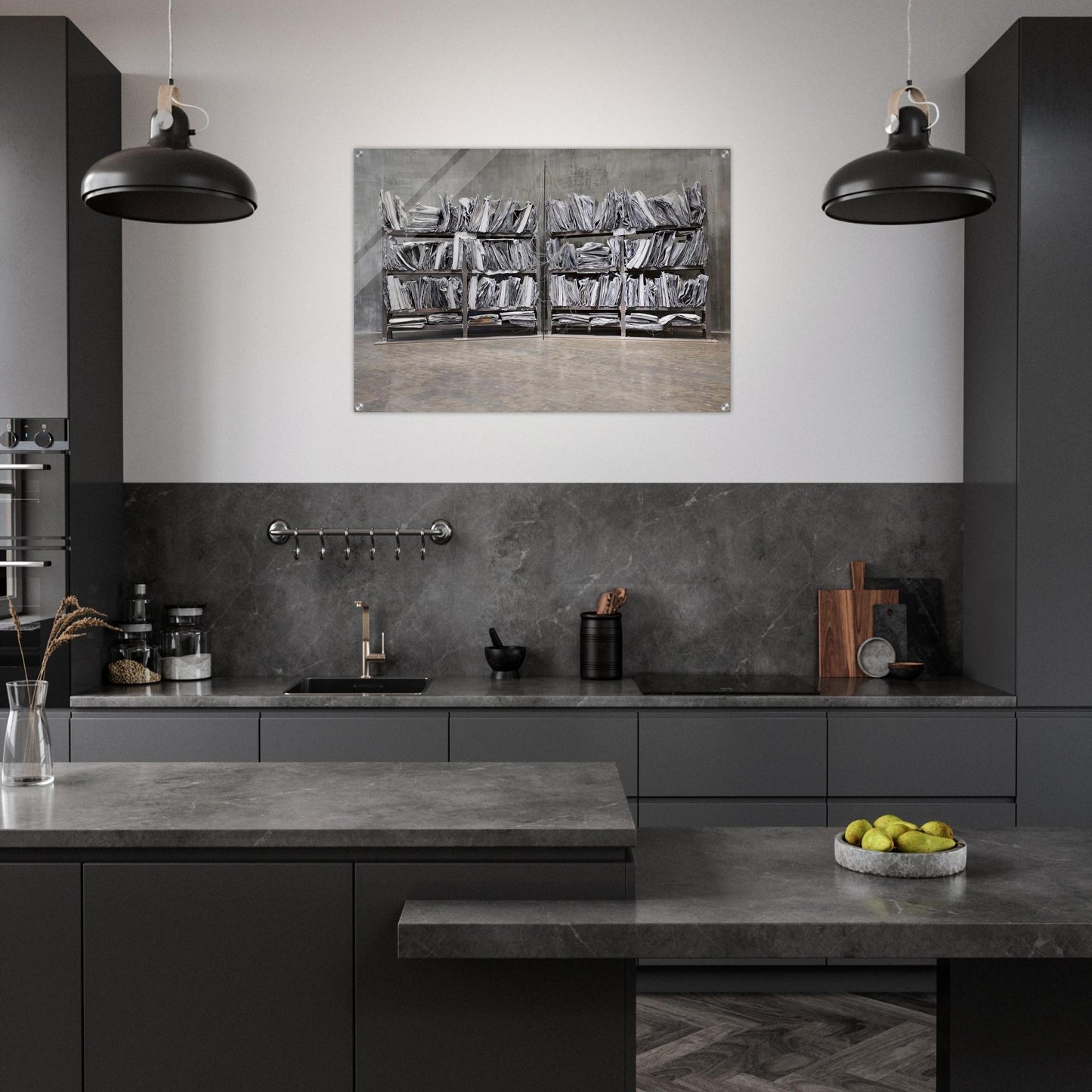
RedKalion presents this archival-grade reproduction as a 70x100 cm / 28x40″ inches fine art print, meticulously crafted on 4mm (0.15") acrylic for a sleek, vibrant, and durable finish that rivals gallery displays. With straight-cut corners for a modern aesthetic and transparent backgrounds defaulting to white for optimal presentation, this Anselm Kiefer wall art piece is designed to elevate any space with its commanding presence. Each print includes a complete hanging kit—hardware, screws, and pre-drilled screw holes at each corner (14mm from the edge, 8mm diameter, 15mm screw head)—ensuring effortless installation and a professional, gallery-ready look.
As a premier online gallery, RedKalion specializes in curating world-class reproductions that honor the artist's vision. Kiefer's technique, often involving heavy impasto and found materials, is authentically rendered here, offering a glimpse into his post-war explorations. Elevate your collection with this Anselm Kiefer print, a timeless addition that combines historical depth with contemporary craftsmanship.


Discover Unlimited Art Possibilities
At RedKalion, you can find virtually any artwork from any artist, available in a wide range of sizes to perfectly match your space.
If you didn’t find what you’re looking for, contact us at support@redkalion.com . We will source any artwork and produce it in any size and format you need, including art prints, posters, canvas, framed pieces, framed canvas, and more.
For dedicated art enthusiasts, we also offer handcrafted replicas of any artwork, carefully painted by highly skilled artists using traditional techniques.
For custom requests, contact us at support@redkalion.com .
What is the significance of The High Priestess Zweistromland 1989 by Anselm Kiefer?
This artwork is part of Kiefer's Zweistromland series, exploring German history and mythology through mixed-media techniques, symbolizing cultural memory and post-war reflection with layered textures and symbolic imagery.
What materials are used in this Anselm Kiefer acrylic print?
It's printed on 4mm (0.15") acrylic for a vibrant, durable finish with straight-cut corners and white default backgrounds, ensuring a museum-quality reproduction for your fine art collection.
How is this Anselm Kiefer wall art shipped and installed?
It includes a hanging kit with hardware, screws, and pre-drilled holes (14mm from edge, 8mm diameter), making installation easy for a sleek, modern display in your home or office.
Is this print archival and long-lasting?
Yes, this archival-grade acrylic print is designed for longevity, resisting fading and damage to preserve Anselm Kiefer's intricate details as a premium art reproduction.
What are the dimensions of this Anselm Kiefer print?
It measures 70x100 cm / 28x40″ inches, offering a commanding presence ideal for large wall spaces and enhancing any room with its historical depth.
What techniques did Anselm Kiefer use in the original artwork?
Kiefer employed acrylic, emulsion, and shellac on canvas, creating textured, impasto surfaces that evoke archaeological layers and symbolic narratives in his Zweistromland series.
Why is the Zweistromland series important in art history?
It represents Kiefer's engagement with German identity and mythology post-WWII, using mixed media to critique and memorialize history, making it a key work in contemporary art.