
Discover Unlimited Art Possibilities
At RedKalion, you can find virtually any artwork from any artist, available in a wide range of sizes to perfectly match your space.
If you didn’t find what you’re looking for, contact us at support@redkalion.com . We will source any artwork and produce it in any size and format you need, including art prints, posters, canvas, framed pieces, framed canvas, and more.
For dedicated art enthusiasts, we also offer handcrafted replicas of any artwork, carefully painted by highly skilled artists using traditional techniques.
For custom requests, contact us at support@redkalion.com .
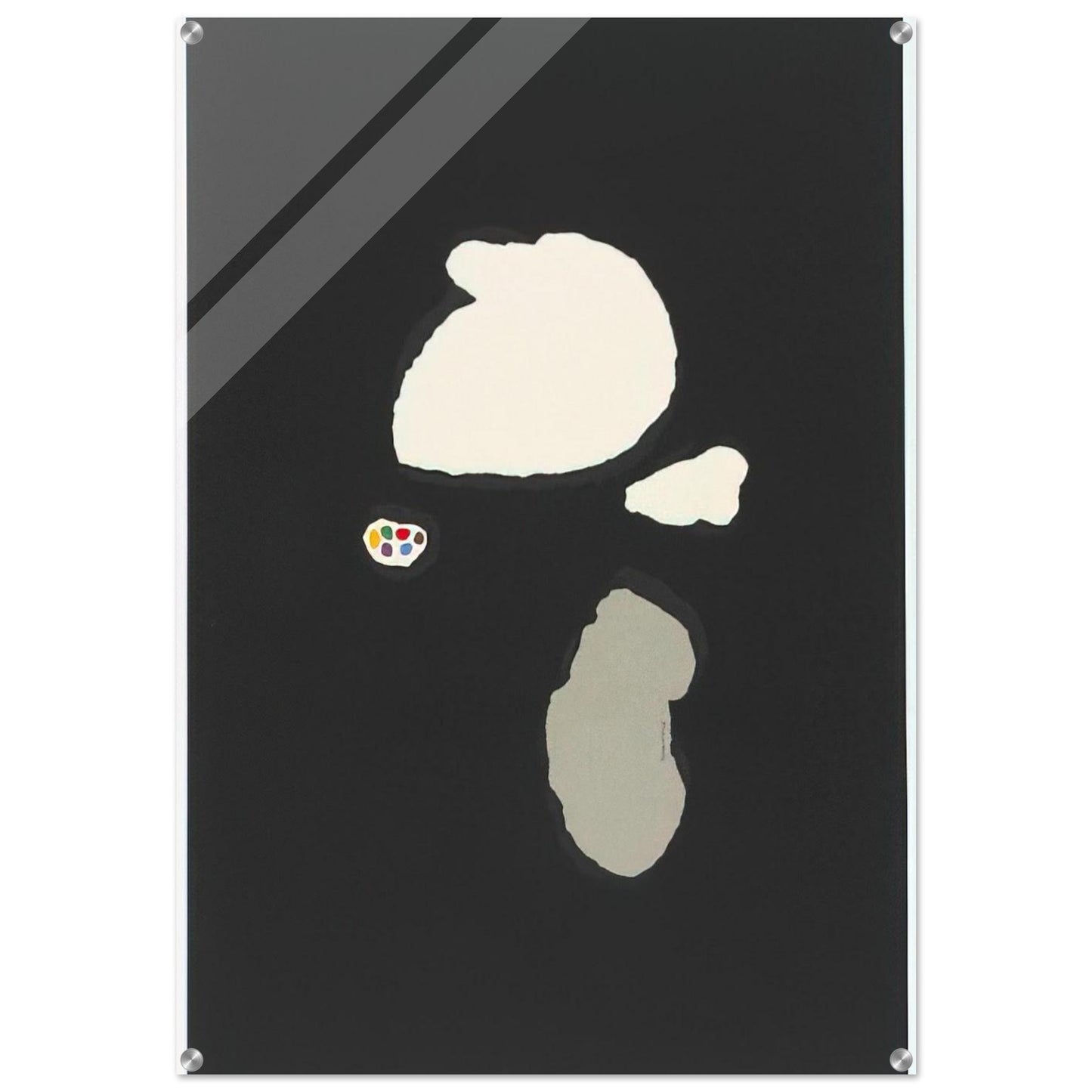
What is the historical significance of Bruno Munari's Untitled Graphic Composition - 1951?
This artwork reflects Munari's role in the Movimento Arte Concreta, showcasing his innovative use of abstract forms and color theory to explore visual communication in mid-20th century modern art.
How does the acrylic material enhance this fine art print?
The 4mm acrylic provides a vibrant, durable finish with superior color saturation, making it ideal for museum-quality reproductions of Bruno Munari wall art.
What are the dimensions and hanging details for this archival-grade print?
It measures 70x100 cm (28x40 inches) and includes a hanging kit with pre-drilled holes (14mm from edge, 8mm diameter) for easy installation of your Bruno Munari prints.
How is the design optimized for modern presentation?
Straight-cut corners and white backgrounds for transparent areas ensure a sleek, contemporary look that complements any interior decor.
What makes RedKalion's reproductions archival-quality?
We use premium materials and precise techniques to create durable Bruno Munari prints that resist fading and maintain vibrancy over time.
Can you describe Munari's technique in this 1951 composition?
Munari employed geometric abstraction and bold color contrasts to create dynamic visual rhythms, emphasizing balance and movement in his graphic compositions.
How does this piece fit into Munari's broader artistic legacy?
It exemplifies his interdisciplinary approach, blending art, design, and communication, which influenced later movements like Op Art and kinetic art.