

RedKalion
Wheat Field in Rain - Vincent van Gogh Acrylic Print - 70x100 cm / 28x40″ inches | Vincent van Gogh Wall Art | Vincent van Gogh Prints
Wheat Field in Rain - Vincent van Gogh Acrylic Print - 70x100 cm / 28x40″ inches | Vincent van Gogh Wall Art | Vincent van Gogh Prints
Učitavanje dostupnosti preuzimanje nije moguće
Wheat Field in Rain by Vincent van Gogh: A Masterpiece of Emotional Depth
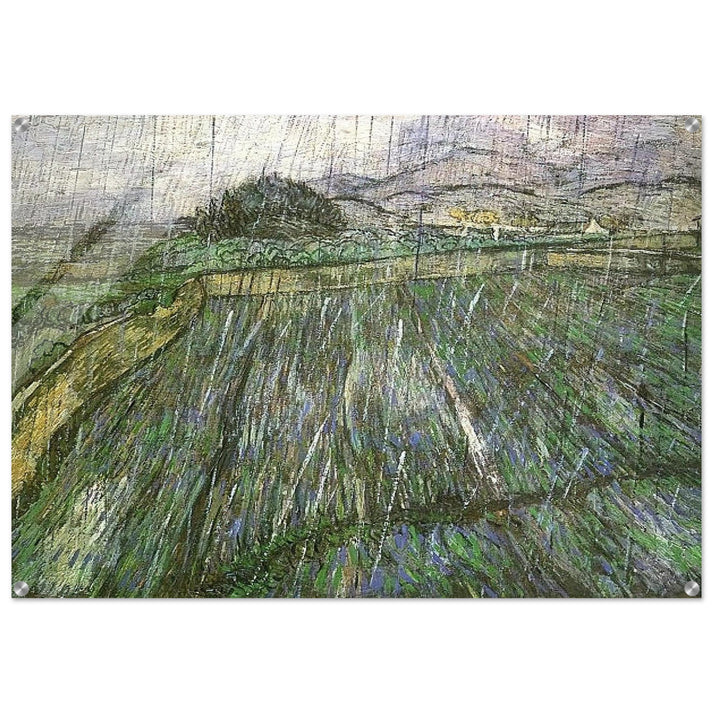
Immerse yourself in the raw, emotive power of Vincent van Gogh's Wheat Field in Rain, a stunning 1889 oil painting that captures the turbulent beauty of nature. This iconic work, created during van Gogh's prolific period in Saint-Rémy-de-Provence, showcases his revolutionary use of swirling brushstrokes and vivid color contrasts to evoke a sense of both melancholy and vitality. As one of his final explorations of rural life, it reflects his deep connection to the land and his ongoing struggle with mental anguish, making it a poignant addition to any art collection.
RedKalion presents this museum-quality reproduction as a premium acrylic print, meticulously crafted to honor van Gogh's original vision. Our archival-grade process ensures that every detail—from the dynamic sky to the textured wheat—is rendered with exceptional clarity and vibrancy. This fine art print is not merely a decoration but a timeless piece of Vincent van Gogh wall art that invites contemplation and elevates any interior space.
Premium Acrylic Print Specifications
- Dimensions: 70x100 cm / 28x40 inches, offering a commanding presence perfect for living rooms, offices, or galleries.
- Material: 4mm (0.15") acrylic for a sleek, vibrant, and durable finish that enhances color depth and protects against fading.
- Design: Straight-cut corners for a modern, minimalist look; transparent backgrounds default to white for optimal presentation against any wall.
- Hanging Kit: Includes all necessary hardware, with pre-drilled screw holes (14mm from the edge, 8mm diameter) and screws (15mm head) for effortless, secure installation.
Elevate your space with an archival masterpiece that endures, backed by RedKalion's commitment to excellence in Vincent van Gogh prints. Each piece is a testament to our expertise in curating world-class reproductions that bridge art history and contemporary design.


Discover Unlimited Art Possibilities
At RedKalion, you can find virtually any artwork from any artist, available in a wide range of sizes to perfectly match your space.
If you didn’t find what you’re looking for, contact us at support@redkalion.com . We will source any artwork and produce it in any size and format you need, including art prints, posters, canvas, framed pieces, framed canvas, and more.
For dedicated art enthusiasts, we also offer handcrafted replicas of any artwork, carefully painted by highly skilled artists using traditional techniques.
For custom requests, contact us at support@redkalion.com .
What is the historical significance of Wheat Field in Rain by Vincent van Gogh?
Painted in 1889 during van Gogh's stay at the Saint-Paul-de-Mausole asylum, this work reflects his emotional turmoil and mastery of expressive brushwork, capturing the dramatic interplay of rain and light in a rural landscape.
How does the acrylic material enhance this fine art print?
The 4mm acrylic provides a sleek, vibrant finish with superior color saturation and durability, ensuring your museum-quality reproduction remains vivid and protected for years.
What are the dimensions and hanging details for this Vincent van Gogh wall art?
It measures 70x100 cm (28x40 inches) and includes a hanging kit with pre-drilled holes (14mm from edges) and screws for easy, secure installation on any wall.
Is this print archival and fade-resistant?
Yes, our archival-grade printing process uses high-quality inks and materials to prevent fading, making it a long-lasting Vincent van Gogh print for your collection.
How is shipping handled for this premium acrylic print?
We ship worldwide in protective packaging to ensure your artwork arrives safely, with tracking provided for all orders of this durable fine art reproduction.
What artistic techniques did van Gogh use in this painting?
Van Gogh employed thick, swirling impasto brushstrokes and contrasting colors to convey movement and emotion, characteristic of his Post-Impressionist style in later works.
Why are the corners straight-cut and backgrounds white?
Straight-cut corners offer a modern aesthetic, while white backgrounds optimize presentation by enhancing the artwork's vibrancy against any wall color.