

#14 - 1964 - Wojciech Fangor Art Prints - 100x150 cm / 40x60″ inches | Wojciech Fangor Poster | Wojciech Fangor Prints
#14 - 1964 - Wojciech Fangor Art Prints - 100x150 cm / 40x60″ inches | Wojciech Fangor Poster | Wojciech Fangor Prints
Impossibile caricare la disponibilità di ritiro
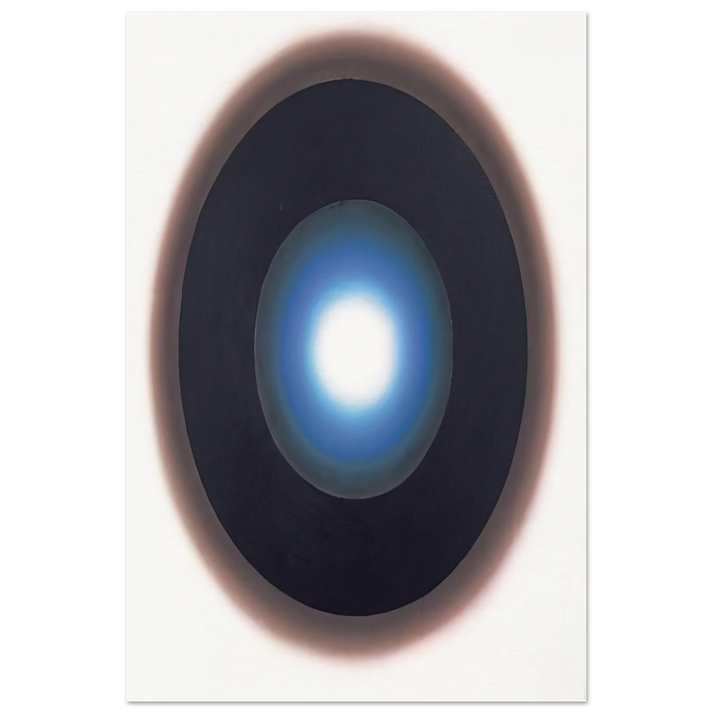
Wojciech Fangor’s #14 (1964): A Masterpiece of Op Art Reborn on Archival Paper
Step into the mesmerizing world of Wojciech Fangor, the Polish pioneer of Op Art, with this exquisite museum-quality fine art print of his iconic #14 (1964). Renowned for his hypnotic, pulsating compositions, Fangor crafted this piece during the height of the Op Art movement—a period defined by optical illusions, spatial ambiguity, and a bold exploration of color and form. Now, RedKalion brings this visionary work into your space as a luxurious, archival-grade reproduction, meticulously printed to preserve the artist’s original intent.
Fangor’s #14 (1964) is a study in perceptual tension, where concentric circles and gradients create an almost three-dimensional effect, drawing the viewer into a dynamic interplay of light and depth. Unlike traditional representational art, this piece engages the eye on a purely sensory level, making it a captivating focal point for modern interiors, galleries, or corporate spaces. Its abstract yet structured composition ensures it complements both minimalist and eclectic décors, adding a touch of intellectual sophistication to any environment.
This Wojciech Fangor print is part of our Master’s Edition collection, printed on FSC-certified, acid-free archival paper with a matte, uncoated finish that enhances the artwork’s subtle textures and depth. The 250 gsm (110 lb) weight and 0.29 mm thickness provide a substantial, gallery-worthy feel, while the off-white, natural hue of the paper ensures the colors remain true to Fangor’s original vision. Whether you’re an art collector, interior designer, or simply a connoisseur of fine art, this 40x60″ (100x150 cm) reproduction delivers an unparalleled viewing experience.
At RedKalion, we don’t just sell prints—we curate timeless art experiences. Each piece is produced with the utmost care, using sustainable materials and archival techniques that guarantee longevity. Elevate your space with a Wojciech Fangor poster that transcends mere decoration, becoming a conversation piece and a testament to your refined taste.
- Artist: Wojciech Fangor (Polish, 1922–2015)
- Artwork: #14 (1964)
- Movement: Op Art
- Paper: Master’s Edition archival paper, matte uncoated, off-white
- Weight & Thickness: 250 gsm (110 lb), 0.29 mm (11.4 mils)
- Size: 100x150 cm (40x60″ inches)
- Sustainability: FSC-certified, acid-free for archival longevity


Discover Unlimited Art Possibilities
At RedKalion, you can find virtually any artwork from any artist, available in a wide range of sizes to perfectly match your space.
If you didn’t find what you’re looking for, contact us at support@redkalion.com . We will source any artwork and produce it in any size and format you need, including art prints, posters, canvas, framed pieces, framed canvas, and more.
For dedicated art enthusiasts, we also offer handcrafted replicas of any artwork, carefully painted by highly skilled artists using traditional techniques.
For custom requests, contact us at support@redkalion.com .
What is the significance of Wojciech Fangor’s #14 (1964) in the Op Art movement?
#14 (1964) is a quintessential example of Op Art, showcasing Wojciech Fangor’s mastery of optical illusions. Created during the movement’s peak, it uses concentric circles and gradients to create a dynamic, almost three-dimensional effect, challenging the viewer’s perception of space and depth.
What makes RedKalion’s Wojciech Fangor prints museum-quality?
Our Master’s Edition archival paper is acid-free, FSC-certified, and features a matte, uncoated finish with a 250 gsm weight. This ensures archival longevity, true color reproduction, and a gallery-worthy presentation for your fine art print.
Is the paper used for this Wojciech Fangor poster sustainable?
Yes! Our paper is FSC-certified, ensuring it comes from responsibly managed forests. It’s also acid-free, preventing yellowing and preserving the artwork’s integrity for decades.
What are the dimensions of this Wojciech Fangor print?
This fine art print is available in a large 100x150 cm (40x60″ inches) size, making it a striking statement piece for any space.
How should I display my Wojciech Fangor poster to preserve its quality?
To maintain its archival quality, avoid direct sunlight and humidity. Use acid-free matting and UV-protective glass if framing. The matte, uncoated finish reduces glare, making it ideal for well-lit spaces.
What is the texture of the paper used for this fine art print?
The Master’s Edition archival paper has a matte, uncoated finish with a natural off-white hue, providing a soft, tactile surface that enhances the artwork’s depth and subtlety.
How does Wojciech Fangor’s technique in #14 (1964) differ from other Op Art artists?
Fangor’s approach was uniquely lyrical and spatial. Unlike Bridget Riley’s sharp geometric patterns, Fangor’s work, like #14 (1964), uses soft gradients and concentric forms to create a sense of movement and depth, blending Op Art with a painterly touch.