Passa alle informazioni sul prodotto
1 su 1

RedKalion

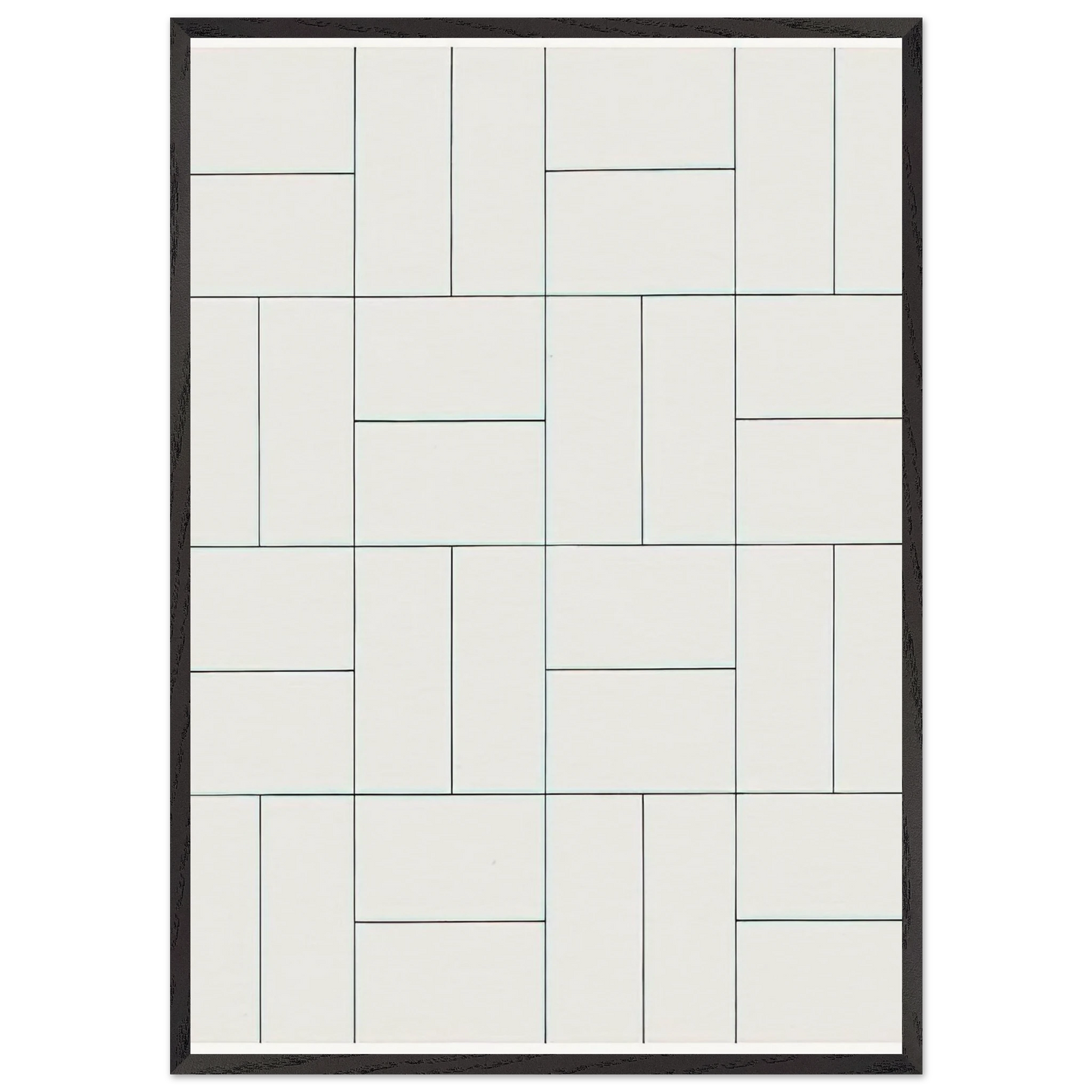
32 Rectangles - 1953 - Francois Morellet 70x100 cm / 28x40 inches Framed Art Print – Black Wooden Frame

32 Rectangles - 1953 - Francois Morellet 70x100 cm / 28x40 inches Framed Art Print – Black Wooden Frame

Prezzo di listino $449.99 USD
Prezzo di listino $999.99 USD Prezzo scontato $449.99 USD
In offerta Esaurito
Quantità

Elevate Your Space with François Morellet's 32 Rectangles (1953)

Experience the rigorous elegance of François Morellet's 32 Rectangles (1953), a definitive masterpiece of geometric abstraction and concrete art. This meticulously curated reproduction captures the essence of Morellet's systematic approach, where mathematical precision meets aesthetic harmony. Originally conceived during a pivotal era in French modernism, this work rejects subjective emotion in favor of objective structure, making it a timeless addition to any sophisticated interior.

Museum-Quality Craftsmanship by RedKalion

At RedKalion, we believe fine art deserves the highest standard of reproduction. This framed art print is produced on 250 gsm (110 lb) museum-quality paper, featuring a matte, uncoated, natural white finish. With a thickness of 0.29 mm (11.4 mils), the archival paper ensures that the stark contrast and rhythmic geometry of Morellet's rectangles remain vibrant and enduring for generations.

Exquisite Framing and Sustainability

The 70x100 cm (28x40 inches) print is housed in a premium black wooden frame, crafted from responsibly sourced oak and ash. Unlike standard commercial frames, ours features a refined 20mm (0.79") thickness and width, providing a bold, architectural presence on your wall. Each piece is protected by shatterproof plexiglass and arrives ready-to-hang with an included kit.

  • Artistic Significance: A seminal example of 1950s geometric abstraction.
  • Archival Integrity: Printed on FSC-certified, acid-free paper for longevity.
  • Premium Presentation: Hand-finished frame with a sophisticated matte black profile.
  • Sustainable Luxury: Materials sourced with ecological responsibility.

By choosing this RedKalion reproduction, you are not merely purchasing a print; you are investing in a piece of art history, meticulously preserved through modern archival technology. Allow the rhythmic balance of Morellet’s vision to bring a sense of intellectual calm and modern refinement to your gallery wall.

Visualizza dettagli completi
What are the physical specifications of this framed art print?

The 70x100 cm print features 250 gsm museum-quality paper and a 20mm thick black wooden frame made of oak or ash. It includes shatterproof plexiglass and a ready-to-hang kit for immediate installation.

What kind of paper is used for this reproduction?

We use archival-grade, 250 gsm (110 lb) natural white paper. It is matte, uncoated, and FSC-certified, ensuring high-definition detail and exceptional durability without the glare of glossy finishes.

How is the artwork protected and framed?

Each print is secured in a 20mm wide wooden frame with transparent, shatterproof plexiglass. This provides superior protection against UV damage and physical wear while maintaining the clarity of the artwork.

Is this product sustainably sourced?

Yes, RedKalion uses FSC-certified paper and responsibly sourced wood for our frames. We prioritize sustainable materials to ensure that our museum-quality prints have a minimal environmental footprint.

How is the framed print shipped and delivered?

Your framed artwork is carefully packaged with protective edges and arrives ready-to-hang. We ensure secure transit to preserve the archival quality of the 32 Rectangles print during delivery.

Who was François Morellet and why is '32 Rectangles' significant?

François Morellet was a pioneer of Concrete Art. '32 Rectangles' (1953) is significant for its systematic use of mathematical rules to determine composition, a precursor to Minimalism and Conceptual art.

What was the 'systematic' approach used in this 1953 work?

Morellet used pre-established systems or grids to arrange shapes, aiming to remove the artist's ego from the work. This objective methodology creates a rhythmic, balanced aesthetic based on logic rather than intuition.