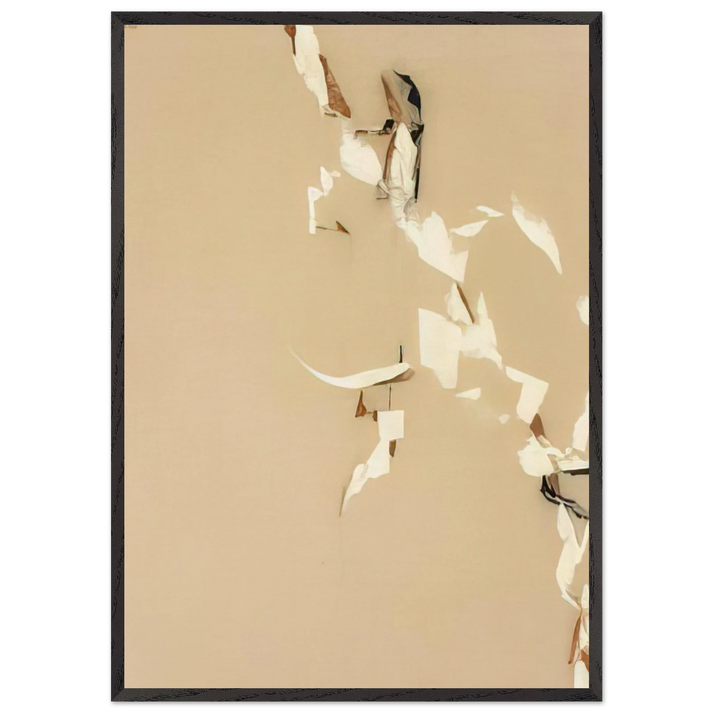
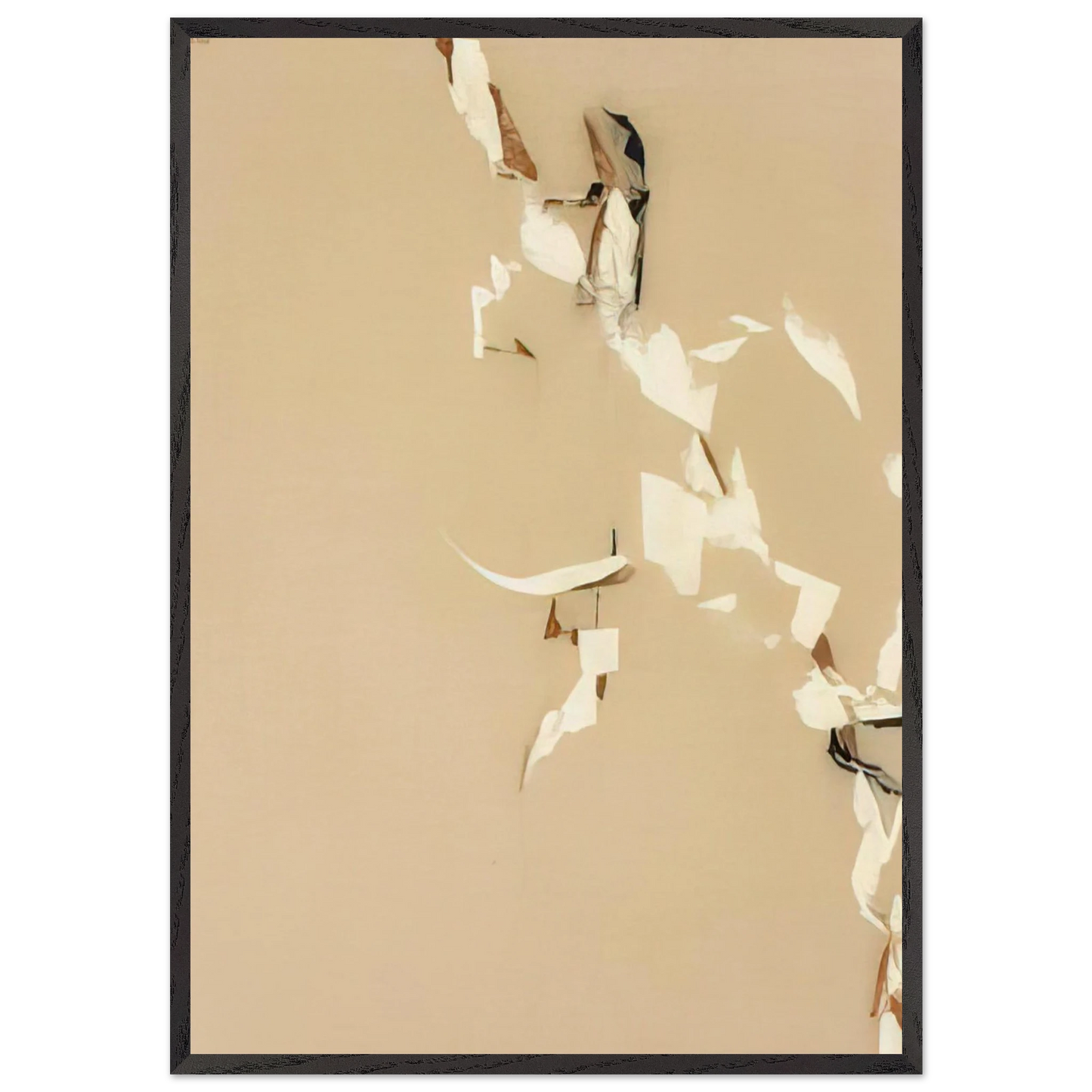
59-8075-c - 1959 - Martin Barre 70x100 cm / 28x40 pollici Stampa d'Arte Incorniciata – Cornice in Legno Nero
59-8075-c - 1959 - Martin Barre 70x100 cm / 28x40 pollici Stampa d'Arte Incorniciata – Cornice in Legno Nero
Impossibile caricare la disponibilità di ritiro
La precisione architettonica di Martin Barré: 59-8075-c
Nel panorama dell'astrazione francese del XX secolo, pochi artisti hanno saputo dominare lo spazio con l'eleganza cerebrale di Martin Barré 59-8075-c. Questo capolavoro del 1959, intitolato
59-8075-c
, rappresenta un momento cruciale nella carriera dell'artista, nel suo passaggio verso un'estetica rigorosa e minimalista. Le opere di Barré di questo periodo sono celebrate per la loro qualità "spatialista", in cui il vuoto della tela è tanto vitale quanto i segni su di essa. Questa riproduzione di qualità museale cattura la sfumatura della sua applicazione originale, offrendo un punto focale sofisticato per l'interno moderno. Artigianato di qualità museale di RedKalion In RedKalion crediamo che l'arte di livello mondiale meriti un supporto altrettanto superiore. Questa stampa d'arte di 70x100 cm (28x40 pollici) stampa d'arte di qualità viene prodotta meticolosamente su carta museale archivistica da 250 gsm (110 lb) con finitura naturale bianca opaca, che elimina i riflessi e permette alle texture sottili e alle linee minimaliste della visione di Barré del 1959 di risaltare con chiarezza e profondità. Il nostro impegno per
EEAT (Competenza, Esperienza, Autorità e Fiducia)
garantisce che ogni stampa soddisfi gli standard rigorosi della curatela delle gallerie. Cornici premium e materiali sostenibiliQuesta stampa di Martin Barré arriva incorniciata in una
- cornice nera in legno , realizzata con quercia e frassino provenienti da fonti responsabili. Andando oltre la sottigliezza standard del settore, le nostre cornici presentano un profilo robusto di 20 mm (0,79"), offrendo una presenza professionale e sostanziale sulla parete. Ogni pezzo è protetto da plexiglass infrangibile, garantendo che il vostro investimento rimanga immacolato per decenni.
- Carta: Carta archivistica da 250 gsm, senza acidi, bianca naturale per una stabilità cromatica a lungo termine.
- Cornice: Legno nero sostenibile (certificato FSC), spessore 20 mm.
- Protezione: Plexiglass infrangibile per una sicurezza ottimale e protezione UV.
Pronto da appendere: Incluso un kit di montaggio di alta qualità per un'installazione immediata. Eleva il tuo spazio con un'opera che incarna la profondità intellettuale dell'astrazione europea. La
Discover Unlimited Art Possibilities
At RedKalion, you can find virtually any artwork from any artist, available in a wide range of sizes to perfectly match your space.
If you didn’t find what you’re looking for, contact us at support@redkalion.com . We will source any artwork and produce it in any size and format you need, including art prints, posters, canvas, framed pieces, framed canvas, and more.
For dedicated art enthusiasts, we also offer handcrafted replicas of any artwork, carefully painted by highly skilled artists using traditional techniques.
For custom requests, contact us at support@redkalion.com .
Che cosa caratterizza la qualità della carta di questa stampa di Martin Barré?
La stampa utilizza carta di qualità museale archivistica da 250 gsm (110 lb). È non patinata, bianco naturale e priva di acidi, garantendo che l'opera mantenga la sua integrità e i colori senza ingiallirsi nel tempo.
La cornice in legno nero è realizzata con materiali sostenibili?
Sì, le nostre cornici sono realizzate con legno di quercia e frassino certificato FSC. Questo assicura che l'estetica premium della tua stampa 70x100 cm sia abbinata a un impegno per la responsabilità ambientale.
La stampa arriva pronta per essere appesa?
Assolutamente. Ogni stampa d'arte incorniciata di RedKalion include un kit di montaggio professionale, che ti permette di appendere direttamente la tua riproduzione del 1959 di Martin Barré non appena arriva.
Come fa RedKalion a garantire la longevità archivistica dell'opera?
Utilizziamo carta di grado archivistico e plexiglass infrangibile per proteggere dai danni ambientali. Questa combinazione preserva i dettagli fini dei segni minimalisti di Barré per una vita di esposizione.
Qual è lo spessore del profilo della cornice?
Le nostre cornici hanno una larghezza e spessore di 20 mm (0,79"). Questo è significativamente più robusto dei telai standard da 14 mm utilizzati da molti rivenditori, offrendo un aspetto da galleria di alto livello.
Cosa significa il titolo '59-8075-c' nell'opera di Barré?
Martin Barré utilizzava un sistema di denominazione sistematico e catalogato. Il '59' indica l'anno 1959, mentre i numeri e le lettere si riferiscono alla sua sequenza cronologica interna, sottolineando il suo approccio analitico alla pittura.
Perché l'anno 1959 è significativo per l'evoluzione artistica di Martin Barré?
Nel 1959, Barré stava perfezionando la sua tecnica del 'gesto come segno'. Questo periodo segnò il suo abbandono della composizione tradizionale verso un uso più radicale dello spazio bianco e movimenti lineari strutturati.