
Astrazione in Bianco Nero e Ocra - 1962 - Victor Pasmore 70x100 cm / 28x40 pollici – Stampa d'Arte Incorniciata – Cornice in Legno Nero
Astrazione in Bianco Nero e Ocra - 1962 - Victor Pasmore 70x100 cm / 28x40 pollici – Stampa d'Arte Incorniciata – Cornice in Legno Nero
Impossibile caricare la disponibilità di ritiro
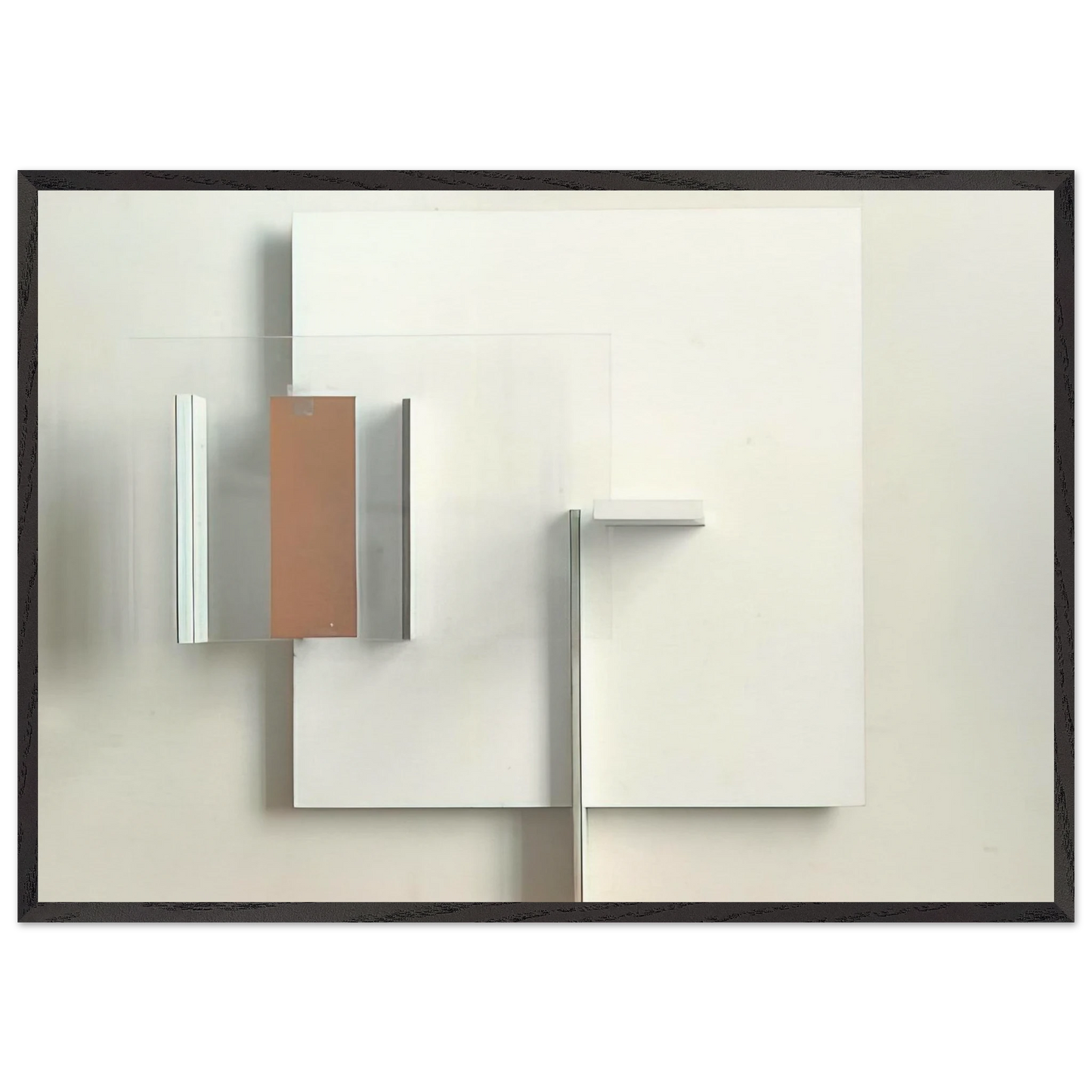
La Geometria Armoniosa di Victor Pasmore: Astratto in Bianco Nero e Ocra (1962)
Il capolavoro del 1962 di Victor Pasmore, Astratto in Bianco Nero e Ocra, rappresenta un momento cruciale nel Modernismo britannico. Come figura di spicco nello sviluppo dell’arte astratta nel Regno Unito, Pasmore abbandonò la pittura figurativa per un’estetica costruttiva rigorosa ma organica. Questa specifica composizione esemplifica la sua padronanza dell’equilibrio spaziale, in cui linee monocromatiche nette interagiscono con la calda tonalità dell’ocra per creare una sensazione di profondità architettonica.
In RedKalion onoriamo l’eredità di Pasmore offrendo questa riproduzione di qualità museale, realizzata con cura meticolosa per preservare le sfumature tonali dell’opera originale del 1962. Questo stampa d’arte non è semplicemente un elemento decorativo, ma una finestra sull’evoluzione dell’astrazione del XX secolo, rappresentando un’aggiunta sofisticata a qualsiasi ambiente curato.
Materiali d’Archivio e Artigianato di Qualità
Ogni stampa viene realizzata secondo i più elevati standard di durata e fedeltà estetica. Utilizziamo carta di qualità museale da 250 gsm (110 lb)con finitura naturale bianca, opaca e non patinata, che elimina i riflessi e accentua la profondità dei pigmenti. Il risultato è una rappresentazione vibrante e resistente alla luce che durerà per generazioni.
- Cornici Sostenibili: L’opera è incorniciata in una pregiata cornice nera in legno da 20 mm (0,79"), realizzata con quercia e frassino provenienti da fonti responsabili, per un profilo elegante e sostanzioso.
- Protezione Antiframmenti: La stampa è protetta da un vetro acrilico antisfondamento ad alta trasparenza, che garantisce sicurezza e brillantezza visiva.
- Pronto da Appendere: Ogni pezzo arriva con un kit di montaggio preinstallato, permettendoti di valorizzare immediatamente il tuo spazio al momento della consegna.
- Certificato FSC: Diamo priorità al pianeta utilizzando materiali che rispettano i più elevati standard ambientali e sociali.
Discover Unlimited Art Possibilities
At RedKalion, you can find virtually any artwork from any artist, available in a wide range of sizes to perfectly match your space.
If you didn’t find what you’re looking for, contact us at support@redkalion.com . We will source any artwork and produce it in any size and format you need, including art prints, posters, canvas, framed pieces, framed canvas, and more.
For dedicated art enthusiasts, we also offer handcrafted replicas of any artwork, carefully painted by highly skilled artists using traditional techniques.
For custom requests, contact us at support@redkalion.com .
Quali materiali vengono utilizzati per questa stampa d'arte di Victor Pasmore?
Utilizziamo carta di qualità museale archivistica da 250 gsm (110 lb). Questa carta bianca naturale, opaca e non patinata garantisce la longevità e previene l'ingiallimento, preservando l'integrità dei toni ocra e nero di Pasmore nel tempo.
Quali sono le specifiche della cornice nera in legno?
La stampa è montata in una cornice nera spessa e larga 20 mm (0,79") realizzata in solido rovere o frassino. Questa misura è più ampia rispetto alle cornici standard, offrendo un'estetica premium da galleria per la tua casa.
L'opera è pronta per essere appesa al momento dell'arrivo?
Sì. Ogni stampa incorniciata RedKalion include un kit di sospensione preinstallato. L'opera viene consegnata già pronta per essere appesa, quindi puoi trasformare immediatamente il tuo spazio interno senza hardware aggiuntivo.
Come viene protetta la stampa durante la spedizione e l'esposizione?
Utilizziamo plexiglass trasparente infrangibile per proteggere l'opera. Questo garantisce la chiarezza del vetro con una maggiore durabilità, assicurando che il tuo investimento arrivi in condizioni perfette e rimanga al sicuro sulla tua parete.
Questa riproduzione è ecologica?
La sostenibilità è al centro della nostra missione. Utilizziamo carta e legno certificati FSC, o certificazioni equivalenti locali, garantendo che la tua stampa d'arte venga prodotta nel rispetto delle risorse forestali globali.
Qual è il significato dell'anno 1962 nella carriera di Pasmore?
Entro il 1962, Victor Pasmore aveva pienamente abbracciato l'"Arte Costruttiva". Questo periodo è segnato dal suo passaggio dall'influenza di "St Ives" a un'esplorazione più lineare e geometrica dello spazio e della forma.
Perché la palette di colori bianco, nero e ocra è importante?
Pasmore utilizzava questa palette per enfatizzare la forma rispetto al soggetto. L'ocra fornisce un contrappunto naturale e terroso alla precisione sintetica delle linee nere, creando un ponte tra natura e astrazione moderna.