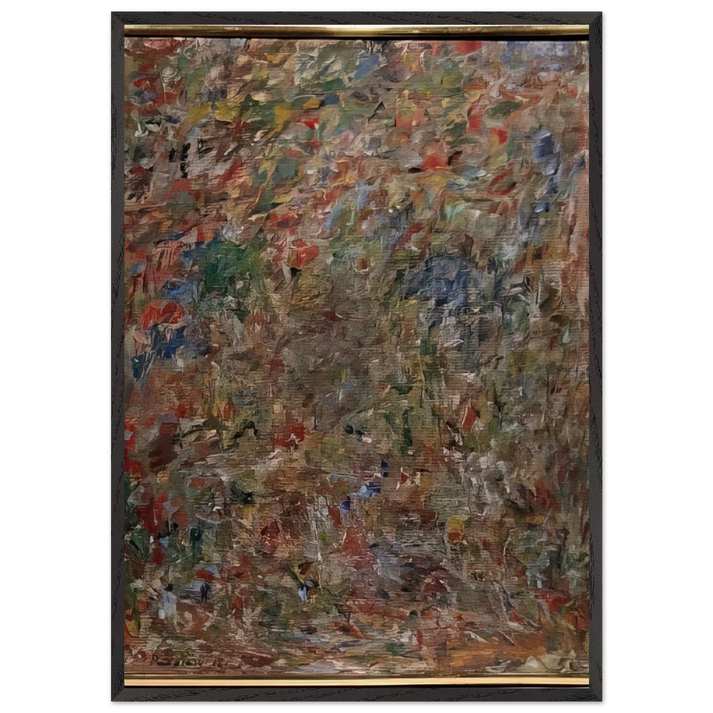
ABSTRAZIONE 1963 - Milton Resnick 70x100 cm / 28x40 pollici Stampa d'Arte Incorniciata – Cornice in Legno Nero
ABSTRAZIONE 1963 - Milton Resnick 70x100 cm / 28x40 pollici Stampa d'Arte Incorniciata – Cornice in Legno Nero
Impossibile caricare la disponibilità di ritiro
Scopri la Profondità Luminosa dell'Astrattismo di Milton Resnick 1963
Entra nel mondo profondo e suggestivo di Milton Resnick con questa riproduzione di qualità museale di Astrattismo 1963. Figura centrale della Seconda Generazione degli Espressionisti Astratti e veterano della Scuola di New York, Resnick andò oltre la spontaneità gestuale dei suoi pari verso uno stile pittorico denso e "tutto su tutto". Questo capolavoro del 1963 cattura un momento cruciale in cui luce e texture si fondono, offrendo un'esperienza meditativa che trasforma qualsiasi ambiente in uno spazio privato di galleria.
Da RedKalion, onoriamo l'integrità della visione di Resnick utilizzando carta di qualità museale d'archivio. Ogni dettaglio della complessa superficie dell'originale è preservato su carta naturale bianca da 250 gsm (110 lb). La finitura opaca e non patinata garantisce un'esperienza di visione senza riflessi, permettendo alle sottili sfumature di colore e forma di risuonare con la stessa intensità della tela originale al culmine dell'avanguardia del XX secolo.
Artigianato Premium per il Collezionista Esigente
Questa stampa d'arte è presentata in una sofisticata cornice in legno nero, meticolosamente realizzata con legno di quercia e frassino di provenienza responsabile. A differenza delle cornici commerciali standard, la nostra modellatura professionale misura 20 mm (0,79") sia in spessore che in larghezza, offrendo una presenza architettonica audace sulla vostra parete. Protetta da plexiglass infrangibile, il vostro investimento rimane immacolato per generazioni.
- Artista: Milton Resnick (Scuola di New York)
- Carta: Carta pesante da 250 gsm di grado archivistico, certificata FSC.
- Cornice: Legno massiccio di provenienza sostenibile con un profilo premium da 20 mm.
- Pronto da Appendere: Include un kit di montaggio completo per un'installazione immediata.
- Durabilità: Materiali privi di acidi garantiscono che la stampa non ingiallisca né sbiadisca nel tempo.
Eleva il tuo ambiente con un capolavoro d'archivio che dura nel tempo. L'impegno di RedKalion verso materiali premium assicura che questa riproduzione di Milton Resnick offra un'estetica autentica e di standard museale per la tua casa o ufficio.

Discover Unlimited Art Possibilities
At RedKalion, you can find virtually any artwork from any artist, available in a wide range of sizes to perfectly match your space.
If you didn’t find what you’re looking for, contact us at support@redkalion.com . We will source any artwork and produce it in any size and format you need, including art prints, posters, canvas, framed pieces, framed canvas, and more.
For dedicated art enthusiasts, we also offer handcrafted replicas of any artwork, carefully painted by highly skilled artists using traditional techniques.
For custom requests, contact us at support@redkalion.com .
Qual è la qualità della carta utilizzata per questa stampa di Milton Resnick?
Utilizziamo carta di qualità museale archivistica da 250 gsm (110 lb). Questa carta pesante, di un bianco naturale, è priva di acidi e non patinata, garantendo che i colori di Abstraction 1963 rimangano vividi e non ingialliscano nel tempo.
La cornice è inclusa con Abstraction 1963 ed è realizzata con materiali sostenibili?
Sì, le nostre cornici sono realizzate in legno di quercia e frassino provenienti da fonti responsabili e certificate FSC. Questo garantisce che la stampa d'arte Milton Resnick sia incorniciata con materiali che rispettano i più alti standard ambientali e sociali.
Come viene prototta l'opera durante la spedizione e l'esposizione?
Ogni stampa incorniciata è protetta da un plexiglass trasparente infrangibile. Questo offre la chiarezza del vetro con una durabilità superiore, assicurando che la riproduzione di Milton Resnick arrivi integra e rimanga protetta da polvere e danni.
Quali accessori di montaggio sono forniti con la stampa incorniciata?
Ogni ordine include un kit pronto per essere appeso. La cornice è progettata per un'installazione semplice, permettendoti di montare direttamente sulla parete la tua opera di Milton Resnick da 70x100 cm senza bisogno di ulteriori accessori.
Quanto durerà questa stampa di grado archivistico?
Progettate per durare nel tempo, le nostre stampe utilizzano materiali archivistici e carta priva di acidi. Se tenute lontano dalla luce solare diretta, queste riproduzioni di qualità museale sono realizzate per durare decenni senza sbiadire o degradarsi.
Chi era Milton Resnick e perché Abstraction 1963 è significativa?
Milton Resnick era un leggendario esponente dell'Espressionismo Astratto noto per la sua tecnica pittorica "all-over". Abstraction 1963 rappresenta un passaggio verso texture dense e monocromatiche che enfatizzano la presenza fisica della pittura e della luce.
Quali sono le caratteristiche dello stile di Milton Resnick negli anni '60?
Negli anni '60, Resnick abbandonò la pennellata attiva a favore di superfici spesse e a impasto. Le sue opere divennero una meditazione sulla densità del colore, creando un "campo" atmosferico che avvolge la visione periferica dello spettatore.