
Adja Yunkers - Bianco su Blu II - 1969 75x100 cm / 30x40 pollici Manifesto d'Arte
Adja Yunkers - Bianco su Blu II - 1969 75x100 cm / 30x40 pollici Manifesto d'Arte
Impossibile caricare la disponibilità di ritiro
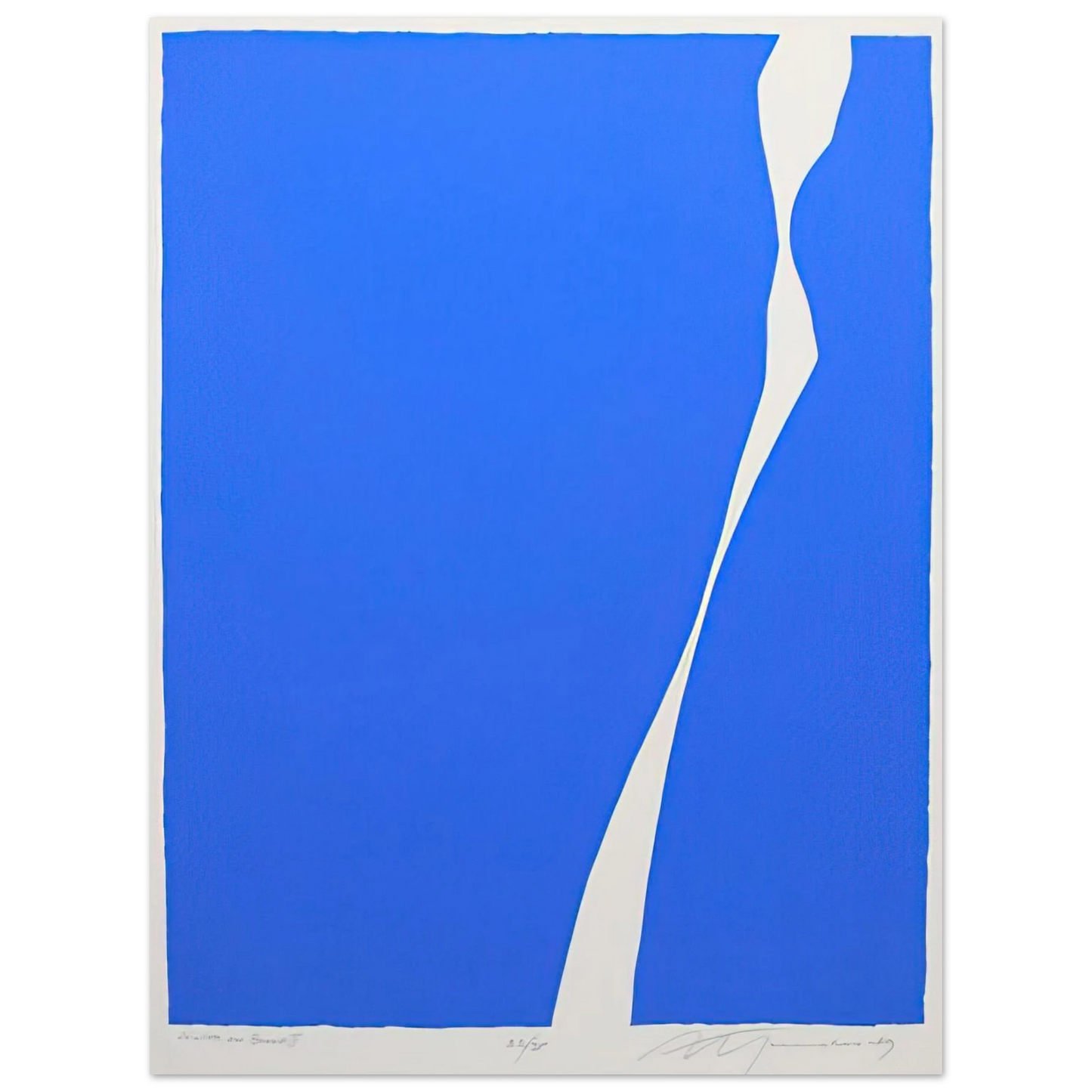
Adja Yunkers: Bianco su blu II (1969) – Un Capolavoro di Astrazione Minimalista
Alla fine degli anni '60, l'artista statunitense di origine lettone Adja Yunkers raggiunse l'apice dell'astrazione lirica, allontanandosi dai suoi primi tagli su legno più figurativi verso composizioni ampie e atmosferiche. Bianco su blu II (1969) è una testimonianza profonda di questa evoluzione, che offre un'esplorazione serena dei campi di colore e delle texture sottili, invitando lo spettatore in uno stato di quiete contemplativa.
Come parte della nostra selezione curata presso RedKalion, questa riproduzione di qualità museale cattura l'essenza eterea della visione originale di Yunkers. L'opera esemplifica la capacità unica dell'artista di gestire spazio e peso, dove il 'bianco' non è semplicemente un vuoto ma una presenza che interagisce dinamicamente con le profondità del blu. È un esempio quintessenziale del modernismo americano della fine del XX secolo, perfetto per collezionisti alla ricerca di una stampa d'arte di qualità archivistica che bilancia il significato storico con l'estetica contemporanea.
Lo Standard RedKalion: Materialità di Qualità Museale
Per onorare l'eredità di Adja Yunkers, questa stampa è prodotta secondo i più alti standard della serie Master's Edition di qualità archivistica. Utilizziamo un carta 250 gsm (110 lb) bianco naturale, avorio, che offre una sensazione lussuosa e pesante e una finitura opaca sofisticata. Questa superficie non rivestita garantisce che le sottili gradazioni di blu siano riprodotte con una profondità eccezionale e senza fastidiosi riflessi.
- Eccellenza Archivistica: La carta è priva di acidi (pH superiore a 7), garantendo che il vostro investimento sia protetto dal ingiallimento o dal degrado nel tempo.
- Precisione Tecnologica: Con uno spessore di 0,29 mm (11,4 mils), la stampa possiede una rigidità tattile riscontrabile solo nelle gallerie di prestigio.
- Sostenibilità: In linea con i valori moderni di conservazione, tutte le carte sono certificate FSC, a sostegno di una gestione forestale responsabile.
- Fulfillment su Misura: Ogni pezzo viene stampato su richiesta, garantendo che ogni riproduzione soddisfi i nostri rigorosi standard di controllo qualità prima della spedizione.
Elevi il vostro spazio interno con un'opera che va oltre la semplice decorazione. Adja Yunkers White On Blue II è un investimento nell'eredità duratura dell'espressionismo astratto, realizzato con l'integrità materiale che solo RedKalion offre.
Discover Unlimited Art Possibilities
At RedKalion, you can find virtually any artwork from any artist, available in a wide range of sizes to perfectly match your space.
If you didn’t find what you’re looking for, contact us at support@redkalion.com . We will source any artwork and produce it in any size and format you need, including art prints, posters, canvas, framed pieces, framed canvas, and more.
For dedicated art enthusiasts, we also offer handcrafted replicas of any artwork, carefully painted by highly skilled artists using traditional techniques.
For custom requests, contact us at support@redkalion.com .
Quali sono le specifiche della carta utilizzata per questa stampa di Adja Yunkers?
Utilizziamo carta archivistica Master's Edition. Si tratta di una carta naturale bianca non patinata da 250 gsm (110 lb) con uno spessore di 0,29 mm, che conferisce un aspetto lussuoso e di qualità museale a questa riproduzione d'arte di Adja Yunkers.
La stampa White On Blue II ingiallirà o sbiadirà nel tempo?
No. Questa stampa di grado archivistico è esente da acidi con un pH superiore a 7, il che impedisce l'ingiallimento. I materiali di qualità museale garantiscono una stabilità dei colori e un'integrità strutturale durature per decenni.
Qual è la texture e la finitura di questa riproduzione di qualità museale?
Questa stampa presenta una finitura opaca con una texture liscia e bianca naturale. L'assenza di rivestimento elimina i riflessi, permettendo di osservare chiaramente i toni blu sottili dell'opera di Yunkers da qualsiasi angolazione.
La produzione di questo poster d'arte è rispettosa dell'ambiente?
Sì, la sostenibilità è una priorità. Tutte le stampe sono realizzate su carta certificata FSC, garantendo che i materiali provengano da foreste gestite in modo responsabile, e gli ordini vengono evasi su richiesta per minimizzare gli sprechi.
Come vengono gestiti e spediti i lavori per la consegna internazionale?
Offriamo spedizione globale senza requisiti minimi di ordine. Ogni stampa viene accuratamente imballata in materiali protettivi robusti e spedita su richiesta per garantire che arrivi in condizioni perfette da galleria.
Qual era il significato artistico della serie White On Blue di Yunkers del 1969?
Nel 1969, Yunkers si concentrò sul "colore come spazio". Questa serie rappresenta il suo passaggio verso il minimalismo, utilizzando bordi sfumati e sfumature tonali per creare un senso di profondità infinita e quiete spirituale.
In che modo il background di Adja Yunkers influenza questo stile minimalista specifico?
La storia diversificata di Yunkers in Europa e New York ha fuso la precisione dell'incisione con l'Espressionismo Astratto. Entro il 1969, le sue opere divennero più meditative, prediligendo effetti atmosferici rispetto ai gesti aggressivi della sua carriera precedente.