
Alba - 1987 - Albert Irvin 70x100 cm / 28x40 pollici Stampa d'Arte Incorniciata – Cornice in Legno Nero
Alba - 1987 - Albert Irvin 70x100 cm / 28x40 pollici Stampa d'Arte Incorniciata – Cornice in Legno Nero
Impossibile caricare la disponibilità di ritiro
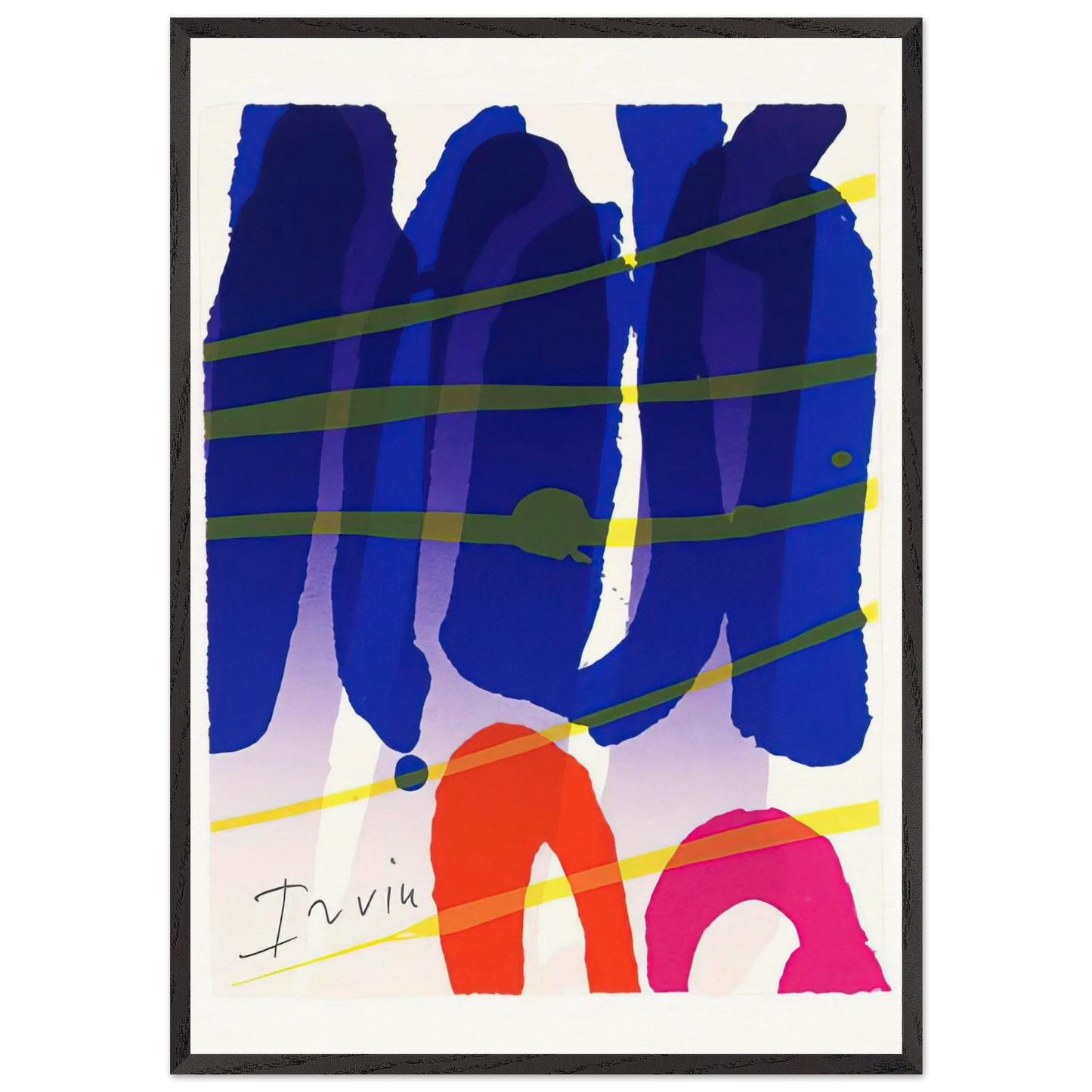
Abbraccia l'Energia Radiosa di Albert Irvin Alba (1987)
Immergi il tuo spazio nella vitalità ritmica di Albert Irvin Alba (1987), un capolavoro dell'Espressionismo Astratto britannico. Questa stampa d'arte di qualità museale cattura l'essenza del genio tardivo di Irvin, dove la struttura architettonica incontra pennellate esuberanti e gestuali. Curata da RedKalion, questa riproduzione onora l'eredità dell'artista di luce e spazio, trasformando qualsiasi ambiente in una galleria privata di patrimonio contemporaneo.
Maestria Artistica e Contesto Storico
Albert Irvin era noto per la sua capacità di tradurre l'energia dell'esperienza urbana in campi di colore vibranti. Alba, realizzata nel 1987, mostra il suo passaggio verso composizioni ampie e luminose. La tecnica di Irvin prevede una sofisticata stratificazione di pigmenti che crea un senso di spazio pittorico profondo. Le sue opere non rappresentano semplicemente una scena; catturano un momento di pura energia atmosferica. Questo pezzo funge da esempio definitivo di Astrazione Lirica, che enfatizza la risonanza emotiva del colore rispetto alla forma letterale.
Eccellenza Artigianale di RedKalion
Per preservare l'integrità della tavolozza di Irvin, ogni stampa viene prodotta su carta 250 gsm (110 lb) di qualità archivistica museale. Questa carta bianca naturale non patinata offre una finitura opaca che elimina i riflessi, garantendo che le sottili texture delle pennellate siano visibili da ogni angolazione. Il peso e lo spessore elevati della carta (0,29 mm) conferiscono una sensazione tattile premium che distingue le nostre stampe dalle riproduzioni commerciali standard.
Cornici Sostenibili e Protezione Premium
La stampa Alba è incorniciata in una raffinata cornice in legno nero, realizzata con cura utilizzando quercia e frassino provenienti da fonti responsabili. Con un profilo robusto di 20 mm (0,79"), la cornice offre una presenza sostanziale che supera le offerte standard delle gallerie. Per garantire che il tuo investimento duri per generazioni, utilizziamo plexiglass infrangibile, che offre una visibilità cristallina proteggendo i pigmenti dai danni ambientali. Questo pezzo arriva completamente assemblato e pronto per essere appeso con un kit di montaggio incluso.
- Qualità della carta: Carta certificata FSC da 250 gsm di grado archivistico per stabilità del colore a vita.
- Dettaglio della cornice: Cornice in legno massiccio da 20 mm con finitura nera opaca.
- Estetica autentica: Superficie opaca e non riflettente per un'esperienza da galleria d'arte autentica.
- Pronto per l'esposizione: Arriva già incorniciato con ferramenta di alta qualità per un'installazione senza sforzo.
Discover Unlimited Art Possibilities
At RedKalion, you can find virtually any artwork from any artist, available in a wide range of sizes to perfectly match your space.
If you didn’t find what you’re looking for, contact us at support@redkalion.com . We will source any artwork and produce it in any size and format you need, including art prints, posters, canvas, framed pieces, framed canvas, and more.
For dedicated art enthusiasts, we also offer handcrafted replicas of any artwork, carefully painted by highly skilled artists using traditional techniques.
For custom requests, contact us at support@redkalion.com .
Cosa definisce la qualità di questa stampa di Albert Irvin?
Le nostre stampe di Albert Irvin utilizzano carta di grado archivistico da 250 gsm e inchiostri di qualità museale. Questo garantisce un'accuratezza cromatica eccezionale e una lunga durata, rispettando gli standard più elevati per riproduzioni di arte figurativa curate da RedKalion.
La cornice è pronta per essere esposta immediatamente?
Sì. La cornice in legno nero è preassemblata con la stampa e include un kit pronto per essere appeso. La cornice in quercia o frassino da 20 mm di spessore offre un aspetto premium e sostanziale adatto a qualsiasi ambiente professionale o residenziale.
Come viene prototta l'opera durante la spedizione?
Utilizziamo plexiglass infrangibile invece del vetro standard per garantire che l'opera arrivi in condizioni perfette. Ogni stampa incorniciata viene imballata in modo sicuro con materiali rinforzati per evitare danni durante il trasporto.
Cosa rende la carta "di qualità museale"?
La carta da 250 gsm è certificata FSC, priva di acidi e di colore bianco naturale. La sua natura archivistica previene ingiallimento e degradazione nel tempo, preservando i rossi e gialli vibranti di "Alba" di Irvin per decenni.
I colori sbiadiranno nel tempo?
No. Utilizzando carta opaca non rivestita di grado archivistico e inchiostri a base di pigmenti, le nostre stampe sono progettate per resistere allo sbiadimento. Se tenute lontano dalla luce solare diretta, la stampa mantiene la sua brillantezza originale per un tempo indefinito.
Qual è stata l'ispirazione dietro "Alba" di Albert Irvin?
"Alba" (che significa alba) riflette la fascinazione di Irvin per la luce e il movimento urbano. Cattura l'energia della scena artistica londinese degli anni '80 attraverso forme dinamiche e non rappresentative e una tavolozza che suggerisce la luminosità del primo mattino.
Come si inserisce questa opera nel movimento dell'Espressionismo Astratto?
L'opera del 1987 di Albert Irvin unisce l'astrazione britannica con la tradizione americana dell'Espressionismo Astratto. Si concentra sull'atto fisico della pittura e sulla potenza emotiva del colore, piuttosto che sulla rappresentazione di soggetti letterali.