
Andre Derain - IL FIUME 1912 75x100 cm / 30x40 pollici Manifesto d'Arte
Andre Derain - IL FIUME 1912 75x100 cm / 30x40 pollici Manifesto d'Arte
Impossibile caricare la disponibilità di ritiro
Eleva la tua collezione con il capolavoro modernista di André Derain
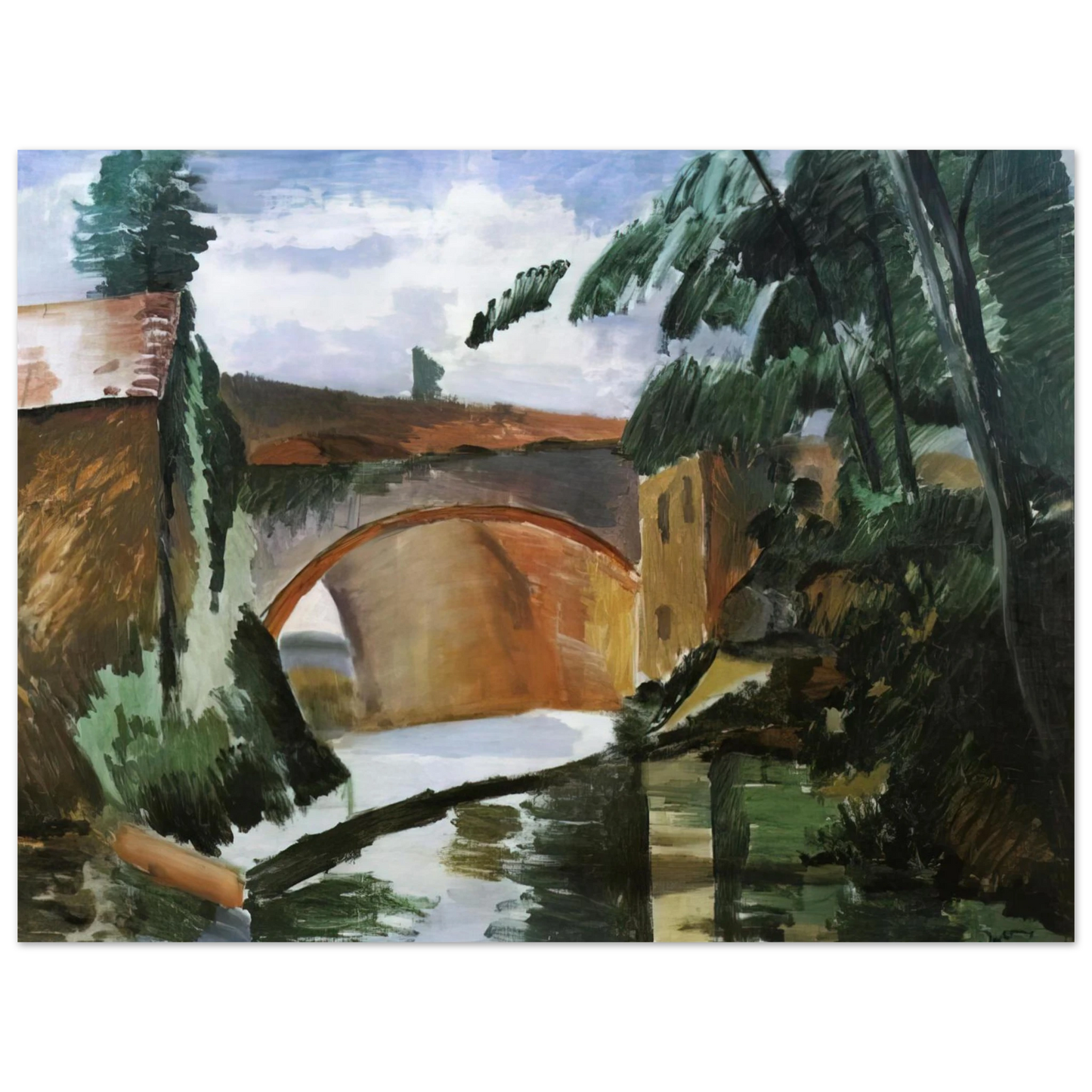
Scopri la profonda transizione del Modernismo francese con "Il Fiume" (1912) di André Derain. Quest'opera significativa segna il passaggio dalla spontaneità vibrante degli anni fauves verso un'interpretazione più strutturata e ritmica del paesaggio. Come cofondatore del Fauvismo, l'opera del 1912 di Derain riflette un profondo impegno con le qualità formali di Paul Cézanne e un crescente interesse per la geometria proto-cubista. Questo poster d'arte di qualità museale cattura ogni pennellata deliberata e la tavolozza serena e terrosa che definisce il suo periodo "gotico".
Esecuzione di qualità museale per il curatore esigente
Presso RedKalion, colmiamo il divario tra significato storico e longevità archivistica. La nostra riproduzione de "Il Fiume" è stampata su carta d'archivio Master's Edition, scelta specificamente per la sua capacità di preservare le sfumature tonali più sottili della tavolozza di Derain. Questa riproduzione di qualità museale offre una presenza sofisticata in qualsiasi spazio, garantendo la profondità testurale di un'opera da galleria con la durabilità della scienza moderna.
- Peso eccezionale: La carta da 250 gsm (110 lb) offre una sensazione premium e sostanziale.
- Longevità archivistica: A pH neutro (superiore a 7) per prevenire l'ingiallimento e garantire che il tuo investimento duri per generazioni.
- Texture di lusso: Finitura opaca, non patinata, bianco naturale che elimina i riflessi e mette in risalto la ricchezza dei pigmenti.
- Profilo sostanziale: Uno spessore di 0,29 mm (11,4 mils) garantisce che la stampa rimanga nitida e resistente alla deformazione.
Sostenibilità e artigianalità
Un vero apprezzamento dell'arte implica rispetto per il futuro tanto quanto per il passato. Le nostre stampe utilizzano carta certificata FSC, garantendo che il tuo acquisto sostenga una gestione forestale responsabile. Ogni opera viene stampata e spedita su richiesta da RedKalion, assicurando che la tua opera d'arte arrivi in condizioni perfette senza i costi ambientali delle scorte sovrapprodotte.
Discover Unlimited Art Possibilities
At RedKalion, you can find virtually any artwork from any artist, available in a wide range of sizes to perfectly match your space.
If you didn’t find what you’re looking for, contact us at support@redkalion.com . We will source any artwork and produce it in any size and format you need, including art prints, posters, canvas, framed pieces, framed canvas, and more.
For dedicated art enthusiasts, we also offer handcrafted replicas of any artwork, carefully painted by highly skilled artists using traditional techniques.
For custom requests, contact us at support@redkalion.com .
Che tipo di carta viene usato per questa stampa di André Derain?
Utilizziamo carta archivistica Master's Edition. Si tratta di una carta di qualità museo da 250 gsm (110 lb) con uno spessore di 0,29 mm, che offre una sensazione lussuosa e una durata eccezionale per la riproduzione di opere d'arte.
I colori de 'Il Fiume' svaniranno nel tempo?
No. Le nostre stampe sono realizzate su carta senza acidi con un pH superiore a 7. Questo materiale di grado archivistico previene l'ingiallimento e preserva l'integrità dei pigmenti del capolavoro di Derain per decenni.
Come vengono spedite le opere d'arte e c'è un ordine minimo?
RedKalion opera su un modello just-in-time senza requisiti di ordine minimo. Ogni stampa viene accuratamente imballata e spedita per garantire che arrivi in condizioni perfette alla tua porta.
La carta utilizzata per questo poster d'arte è ecologica?
Sì, diamo priorità alla sostenibilità. La carta utilizzata per 'Il Fiume' di André Derain è certificata FSC, il che significa che proviene da foreste gestite in modo responsabile che forniscono benefici ambientali e sociali.
Questa stampa ha una finitura lucida o opaca?
Questo poster d'arte presenta una finitura opaca non rivestita. Il tono bianco naturale (avorio) offre un aspetto sofisticato, senza riflessi, che mette in risalto i dettagli intricati dell'opera d'arte.
A quale periodo artistico appartiene 'Il Fiume' (1912) di André Derain?
Dipinto nel 1912, 'Il Fiume' rappresenta la transizione di Derain dal Fauvismo a uno stile più strutturato, 'gotico' o cézanniano, con un focus sulla forma, il ritmo e una palette cromatica più contenuta.
In cosa differisce lo stile di Derain del 1912 dai suoi lavori fauvisti precedenti?
Mentre i suoi lavori fauvisti utilizzavano colori 'selvaggi' e pennellate espressive, il suo stile del 1912, come si vede ne 'Il Fiume', enfatizza la struttura architettonica, la semplificazione geometrica e una palette cromatica più sobria e terrosa.