
Andy Warhol - Grande Lattina di Zuppa Campbell's Strappata al Peperoncino - Poster d'Arte
Andy Warhol - Grande Lattina di Zuppa Campbell's Strappata al Peperoncino - Poster d'Arte
Impossibile caricare la disponibilità di ritiro
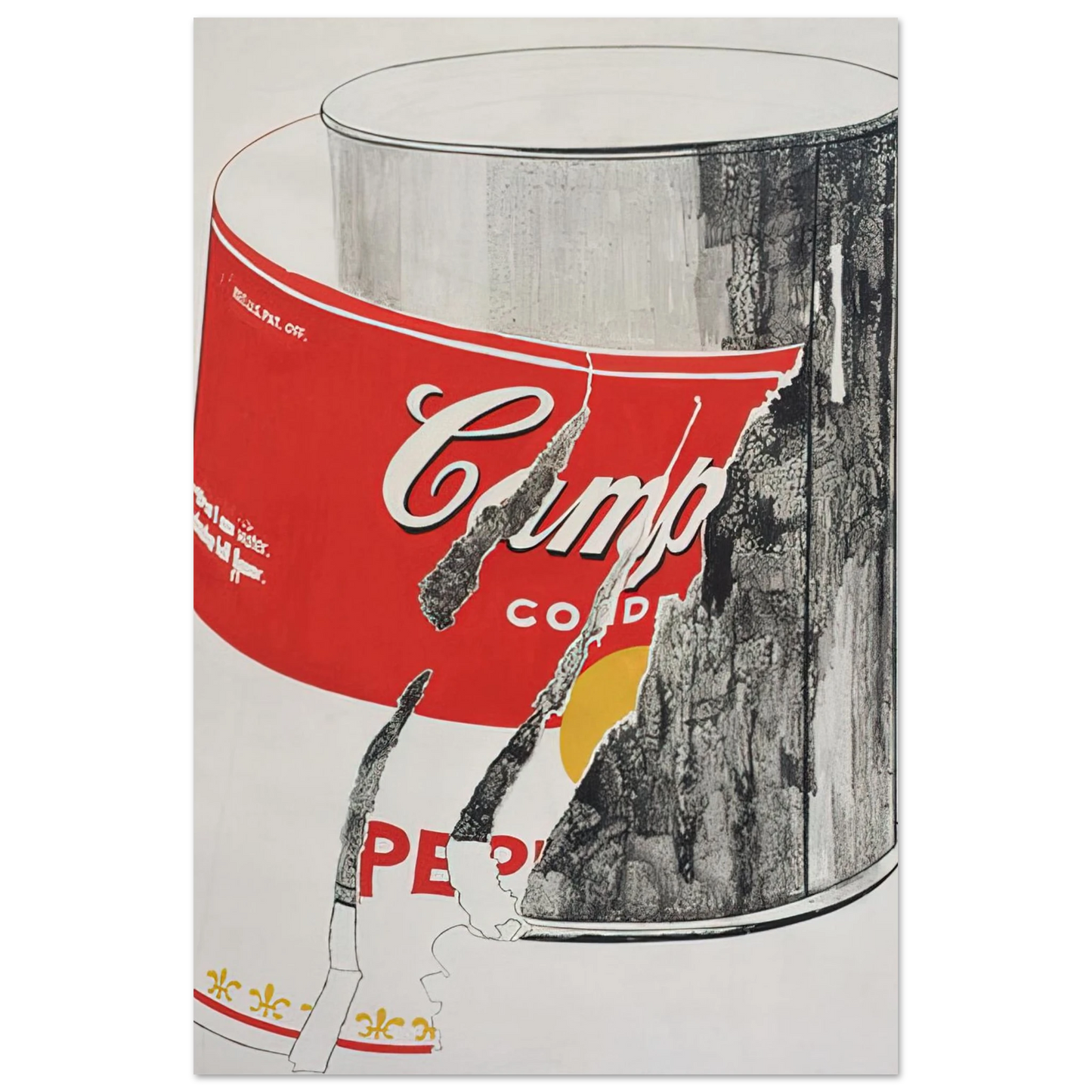
La convergenza tra commercialismo e arte elevata: "Big Torn Campbell's Soup Can" di Andy Warhol
Scopri un'icona definitiva del movimento della Pop Art con la nostra riproduzione di qualità museale di "Big Torn Campbell's Soup Can (Pepper Pot)" di Andy Warhol. Ideata originariamente nel 1962, quest'opera rappresenta un momento cruciale nella storia dell'arte del XX secolo, in cui Warhol ha sfidato i confini tra immagini commerciali di massa e l'espressione artistica raffinata. A differenza della ripetizione uniforme delle sue opere successive, la serie 'strappata' offre una prospettiva più viscerale e pittorica sul consumo e l'abbandono dei beni moderni.
Eccellenza archivistica per il collezionista esigente
In RedKalion crediamo che un capolavoro meriti un supporto di pari livello. Questo poster d'arte è stampato su carta di archiviazione Master's Edition, accuratamente selezionata per la sua capacità di catturare le sottili sfumature tonali e i contrasti grafici netti dell'opera originale di Warhol. La finitura opaca lussuosa e il bianco naturale garantiscono che l'opera rimanga il fulcro dell'attenzione, senza riflessi o abbagliamenti distraenti.
- Peso e texture: Un peso carta sostanziale di 250 gsm (110 lb) conferisce un aspetto premium e resistente, mentre lo spessore di 0,29 mm (11,4 mils) garantisce integrità strutturale.
- Longevità e conservazione: La nostra carta è priva di acidi con un pH superiore a 7, appositamente ingegnerizzata per prevenire ingiallimento e degrado nel corso dei decenni.
- Sostenibilità: In linea con gli standard ambientali moderni, utilizziamo carta certificata FSC, a sostegno di una gestione forestale responsabile.
Scegliendo questa riproduzione RedKalion, non stai acquistando semplicemente una stampa: stai investendo in un manufatto di livello archivistico progettato per elevare il tuo spazio con l'eredità duratura dell'era della Pop Art.


Discover Unlimited Art Possibilities
At RedKalion, you can find virtually any artwork from any artist, available in a wide range of sizes to perfectly match your space.
If you didn’t find what you’re looking for, contact us at support@redkalion.com . We will source any artwork and produce it in any size and format you need, including art prints, posters, canvas, framed pieces, framed canvas, and more.
For dedicated art enthusiasts, we also offer handcrafted replicas of any artwork, carefully painted by highly skilled artists using traditional techniques.
For custom requests, contact us at support@redkalion.com .
Quali sono le specifiche fisiche della carta utilizzata per questa stampa di Warhol?
Utilizziamo carta da archivio Master's Edition, da 250 gsm (110 lb) con uno spessore di 0,29 mm. Presenta una finitura opaca, non patinata, bianco naturale per una texture lussuosa e di qualità museale.
Come fa RedKalion a garantire la longevità dei poster d'arte?
Le nostre stampe utilizzano carta senza acidi con un livello di pH superiore a 7. Questo standard archivistico previene l'ingiallimento o l'indurimento della carta nel tempo, garantendo che l'opera mantenga la sua integrità per generazioni.
Il processo di spedizione è sostenibile e sicuro?
Sì, le nostre stampe vengono prodotte su richiesta per ridurre gli sprechi. Utilizziamo carta certificata FSC e imballaggi robusti per assicurare che la vostra riproduzione di qualità museale arrivi in condizioni perfette senza un ordine minimo.
Qual è il significato dell'etichetta 'strappata' in questa specifica opera di Campbell's Soup Can?
L'etichetta 'strappata' evidenzia la transizione da un prodotto commerciale immacolato a un oggetto scartato. Rappresenta uno stile più espressivo e pittorico che Warhol esplorò prima di passare a processi di serigrafia completamente meccanici.
Questa stampa è adatta per l'incorniciatura professionale?
Assolutamente. Lo spessore di 250 gsm e la finitura opaca la rendono ideale per l'incorniciatura professionale. La sua composizione senza acidi garantisce che non reagirà con i materiali della cornice nel tempo.
Perché la zuppa Campbell's di Andy Warhol è storicamente importante?
Faceva parte della prima mostra personale di Warhol alla Ferus Gallery nel 1962. Questa serie ha cambiato radicalmente il mondo dell'arte elevando oggetti quotidiani della spesa allo status di arte elevata.
A quale movimento appartiene quest'opera?
Questa opera è un caposaldo del movimento Pop Art, che utilizzava motivi della cultura popolare e dei mass media per criticare e celebrare il paesaggio consumistico moderno.