
Andy Warhol - Lattina di zuppa Campbell's Pomodoro Riso - Poster d'Arte
Andy Warhol - Lattina di zuppa Campbell's Pomodoro Riso - Poster d'Arte
Impossibile caricare la disponibilità di ritiro
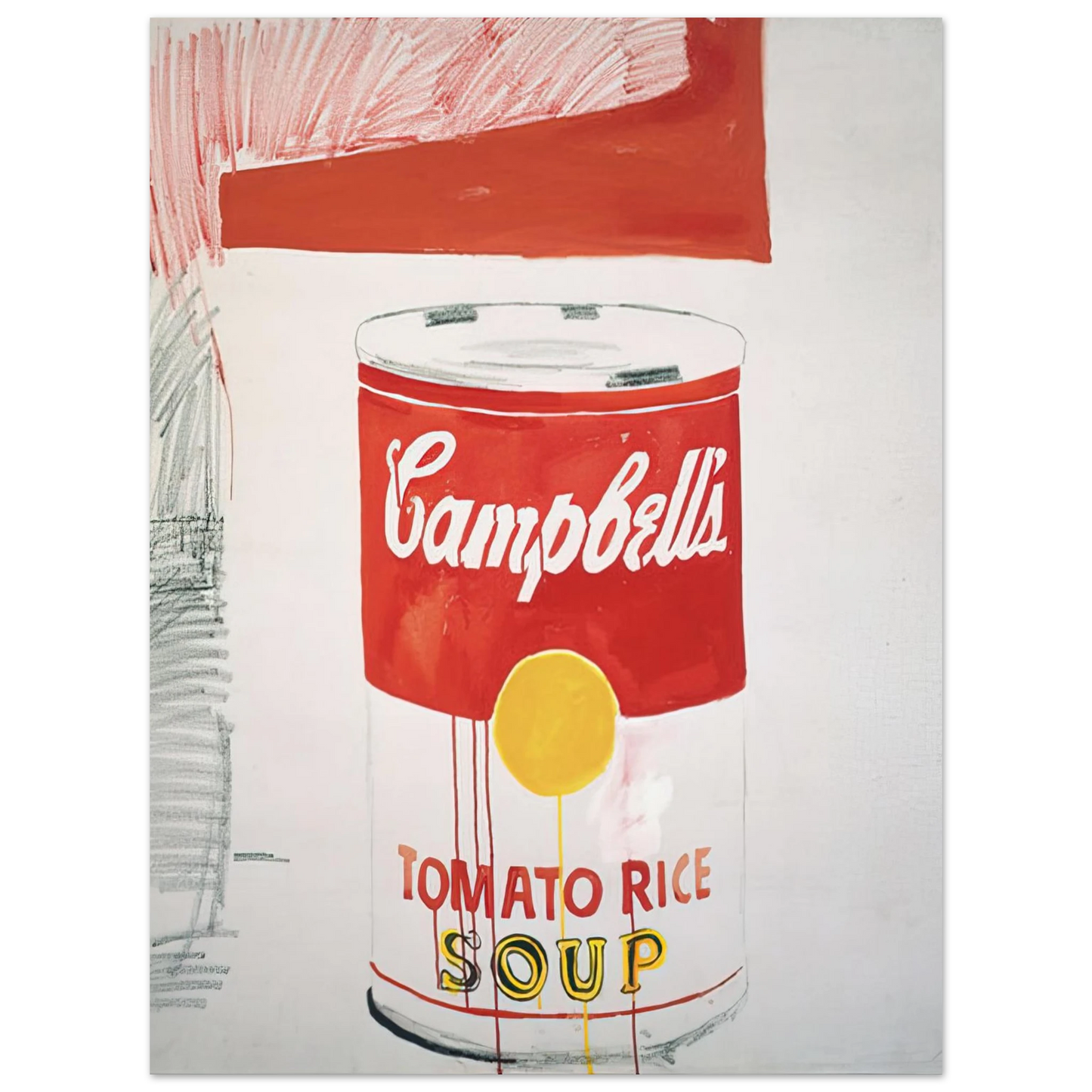
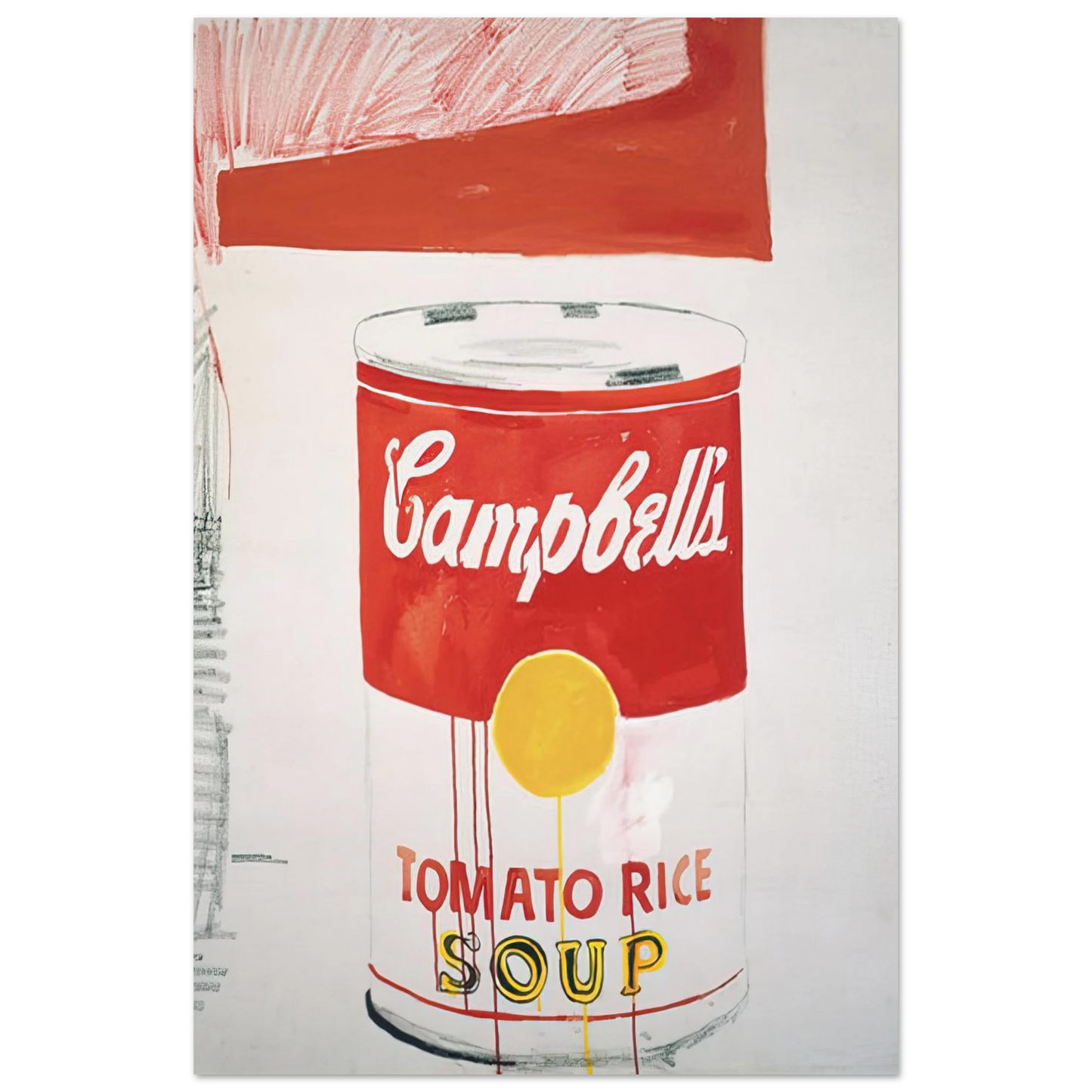
Un'Icona Definitiva: Campbell's Soup Can di Andy Warhol (Tomato Rice)
Nel 1962, Andy Warhol trasformò il panorama dell’arte contemporanea con la sua serie di trentadue tele, ognuna raffigurante un diverso sapore della zuppa Campbell’s. Tra queste, la variante Tomato Rice rimane un esempio quintessenziale della fascinazione di Warhol per il consumismo e la ripetizione della vita quotidiana. Questo manifesto d’arte cattura l’essenza del movimento Pop Art, offrendo un’estetica grafica audace che rimane rilevante ancora oggi come lo era a metà secolo.
Esecuzione di Qualità Museale
In RedKalion curiamo le nostre riproduzioni per soddisfare gli standard più elevati del mercato dell’arte. Questo pezzo è stampato su carta Master's Editiondi nostra produzione, un supporto premium da 250 gsm (110 lb) che offre una finitura sofisticata, opaca e non patinata. Il tono bianco naturale (avorio) conferisce una texture lussuosa che elimina i riflessi, permettendo ai rossi e ai dorati vibranti della tavolozza di Warhol di risaltare con assoluta chiarezza.
- Significato Storico: Parte della leggendaria serie che ha ridefinito l’"Arte Alta" attraverso immagini commerciali.
- Longevità Archivistica: Senza acidi (pH superiore a 7) per garantire che la vostra riproduzione di qualità museale rimanga immacolata senza ingiallire nel tempo.
- Presenza Fisica: Uno spessore sostanziale di 0,29 mm (11,4 mils) offre un effetto premium e un peso pesante di qualità.
- Sostenibilità: Stampato su carta certificata FSC, a testimonianza dell’impegno verso la responsabilità ambientale.
Scegliendo questa stampa d’artenon state acquistando semplicemente un poster; state entrando in possesso di un pezzo di storia dell’arte realizzato con cura per gli interni moderni. Elevate il vostro spazio con un capolavoro archivistico di RedKalion che durerà per generazioni.

Discover Unlimited Art Possibilities
At RedKalion, you can find virtually any artwork from any artist, available in a wide range of sizes to perfectly match your space.
If you didn’t find what you’re looking for, contact us at support@redkalion.com . We will source any artwork and produce it in any size and format you need, including art prints, posters, canvas, framed pieces, framed canvas, and more.
For dedicated art enthusiasts, we also offer handcrafted replicas of any artwork, carefully painted by highly skilled artists using traditional techniques.
For custom requests, contact us at support@redkalion.com .
Che qualità di carta viene utilizzata per questa stampa di Andy Warhol?
Utilizziamo carta patinata Master's Edition di qualità museale da 250 gsm. Questa carta pesante, di un bianco naturale, offre una finitura opaca sofisticata che esalta la profondità visiva della stampa.
La stampa Campbell's Soup Can è di qualità archivistica?
Sì, le nostre stampe sono realizzate su carta senza acidi con un livello di pH superiore a 7. Questo impedisce ingiallimento e degradazione nel tempo, garantendo che la vostra riproduzione d'arte duri per decenni.
Questo poster d'arte arriva incorniciato?
Questo prodotto è una stampa d'arte premium. La spediamo senza cornice per consentirvi di scegliere l'opzione di montaggio che meglio si adatta al vostro stile di arredamento personale.
Come viene gestita la spedizione e la logistica?
RedKalion stampa e spedisce ogni ordine su richiesta. Non ci sono requisiti minimi di ordine e ogni stampa viene imballata con cura per garantire un arrivo sicuro alla vostra porta.
La carta utilizzata per questo poster è sostenibile?
Assolutamente. Diamo priorità alla sostenibilità utilizzando carta certificata FSC, garantendo che i materiali per la vostra riproduzione di Andy Warhol provengano da foreste gestite in modo responsabile.
Perché Andy Warhol ha scelto le Campbell's Soup Cans come soggetto?
Warhol scelse le lattine di zuppa per confondere i confini tra "arte alta" e prodotti commerciali, riflettendo l'ubiquità della produzione di massa e la cultura consumistica degli anni '60.
Qual è il significato della variante Tomato Rice nell'opera di Warhol?
Il gusto Tomato Rice rappresenta una delle 32 varianti uniche che Warhol raffigurò nel 1962, sottolineando come i beni prodotti in serie offrano una strana forma di uguaglianza democratica nella vita moderna.