
Andy Warhol - Scatola di zuppa di cipolle Campbell Poster d'Arte
Andy Warhol - Scatola di zuppa di cipolle Campbell Poster d'Arte
Impossibile caricare la disponibilità di ritiro
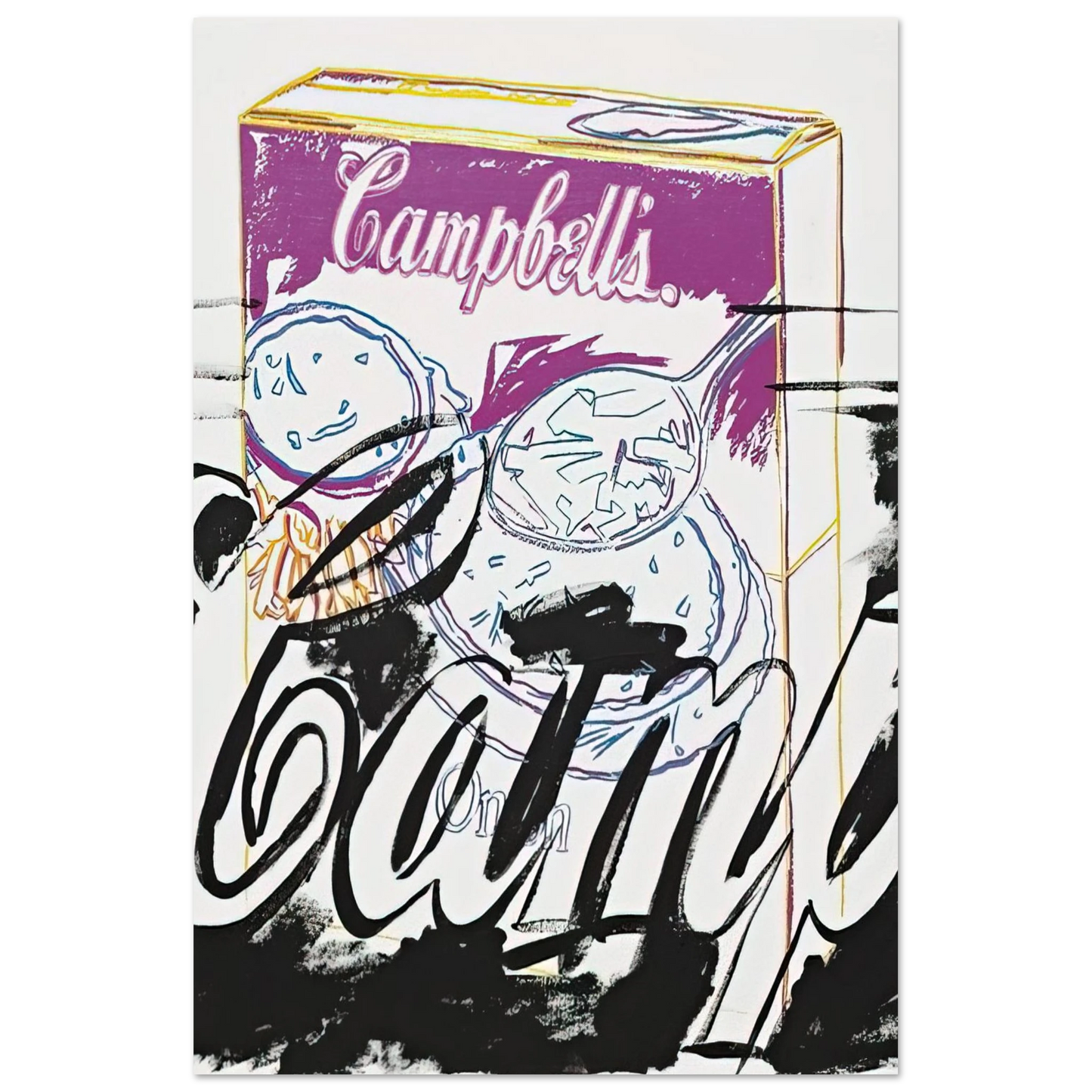
La scatola della zuppa di cipolle Campbell's di Andy Warhol: un capolavoro della Pop Art
Eleva il tuo interno con un'icona definitiva del movimento della Pop Art. La scatola della zuppa di cipolle Campbell's di Andy Warhol rappresenta un momento fondamentale nell'arte del XX secolo, in cui i confini tra design commerciale e cultura alta sono stati per sempre sfumati. Questo poster d'arte raffinata cattura la fascinazione di Warhol per la produzione di massa e la ripetizione dei beni di consumo, trasformando un oggetto utilitaristico da supermercato in una profonda riflessione sulla vita moderna.
Come principale curatore di riproduzioni di livello mondiale, RedKalion presenta questa stampa d'arte raffinata di qualità museale con meticolosa attenzione all'accuratezza dei colori e ai dettagli grafici. Originariamente concepita negli anni '60, la serie di zuppe di Warhol utilizzava tecniche di serigrafia industriale per sfidare l'esclusività del mondo dell'arte. La nostra riproduzione onora questo lascito, offrendo un'estetica sofisticata che risuona sia negli ambienti contemporanei che in quelli di metà secolo.
Qualità dei materiali senza compromessi
In RedKalion, crediamo che un capolavoro meriti un supporto di pari livello. Questa riproduzione di archivio di grado superiore è stampata su carta di archivio Master's Edition. Con un peso di 250 gsm (110 lb) e uno spessore di 0,29 mm (11,4 mils), la carta offre una sensazione sostanziale e premium che supera di gran lunga i poster standard.
- Finitura lussuosa: Una superficie opaca, non rivestita, bianco naturale (avorio) garantisce che i colori rimangano vivaci senza riflessi fastidiosi.
- Integrità di archiviazione: La composizione priva di acidi (pH superiore a 7) previene l'ingiallimento, assicurando che l'opera duri nel tempo come un patrimonio senza tempo.
- Eccellenza sostenibile: Utilizziamo carta certificata FSC, unendo bellezza artistica e responsabilità ambientale.
- Fulfillment su misura: Ogni pezzo viene stampato e spedito su richiesta, garantendo che la tua stampa arrivi in condizioni perfette.
Scegliendo questa edizione RedKalion, non stai acquistando semplicemente un poster; stai investendo in un capolavoro di archiviazione che onora la precisione grafica e il peso storico della visione di Andy Warhol.


Discover Unlimited Art Possibilities
At RedKalion, you can find virtually any artwork from any artist, available in a wide range of sizes to perfectly match your space.
If you didn’t find what you’re looking for, contact us at support@redkalion.com . We will source any artwork and produce it in any size and format you need, including art prints, posters, canvas, framed pieces, framed canvas, and more.
For dedicated art enthusiasts, we also offer handcrafted replicas of any artwork, carefully painted by highly skilled artists using traditional techniques.
For custom requests, contact us at support@redkalion.com .
Cosa rende unica la riproduzione RedKalion della Campbell's Onion Soup Box di Warhol?
La nostra stampa d'arte utilizza pigmenti di grado archivistico su carta Master's Edition da 250 gsm. A differenza dei poster di massa, questa riproduzione di qualità museale cattura il peso grafico preciso e la profondità dei colori della visione originale di Andy Warhol, con una finitura sofisticata e opaca.
Quali sono le specifiche della carta Master's Edition?
La stampa è realizzata su carta da 250 gsm (110 lb) con uno spessore di 0,29 mm. Presenta una texture naturale bianca, opaca e non patinata, priva di acidi e certificata FSC sia per il lusso che per la sostenibilità ambientale.
Come la qualità archivistica previene l'ingiallimento nel tempo?
La carta è priva di acidi con un livello di pH superiore a 7. Questo equilibrio chimico previene la degradazione e l'ingiallimento tipici della carta standard, garantendo che la tua stampa d'arte di Andy Warhol rimanga perfetta per decenni.
Come viene spedita e consegnata l'opera d'arte?
RedKalion opera con un modello di stampa su richiesta senza quantità minima. Ogni stampa della Campbell's Soup Box viene accuratamente imballata e spedita con materiali protettivi sicuri per assicurare che arrivi a te in condizioni da galleria.
La carta utilizzata per questa stampa di Warhol è ecologica?
Sì, diamo priorità alla sostenibilità. La carta archivistica utilizzata per le nostre stampe di qualità museale è certificata FSC, garantendo che provenga da foreste gestite in modo responsabile che offrono benefici ambientali, sociali ed economici.
Perché Andy Warhol scelse la Campbell's Soup come soggetto?
Warhol affermò di aver mangiato zuppa Campbell's ogni giorno per vent'anni a pranzo. La scelse per riflettere la democratizzazione del consumismo, notando che i cittadini più ricchi e più poveri consumavano esattamente gli stessi prodotti.
Qual è la differenza tra le lattine di zuppa di Warhol e le scatole di zuppa?
Mentre le lattine sono il suo motivo più famoso, la serie "Box" (come la Onion Soup Box) enfatizza i contenitori di spedizione industriali 3D, mettendo in risalto la logistica del commercio di massa e la bellezza geometrica dell'imballaggio commerciale.