
Andy Warhol - Manifesto d'Arte Kiku
Andy Warhol - Manifesto d'Arte Kiku
Impossibile caricare la disponibilità di ritiro
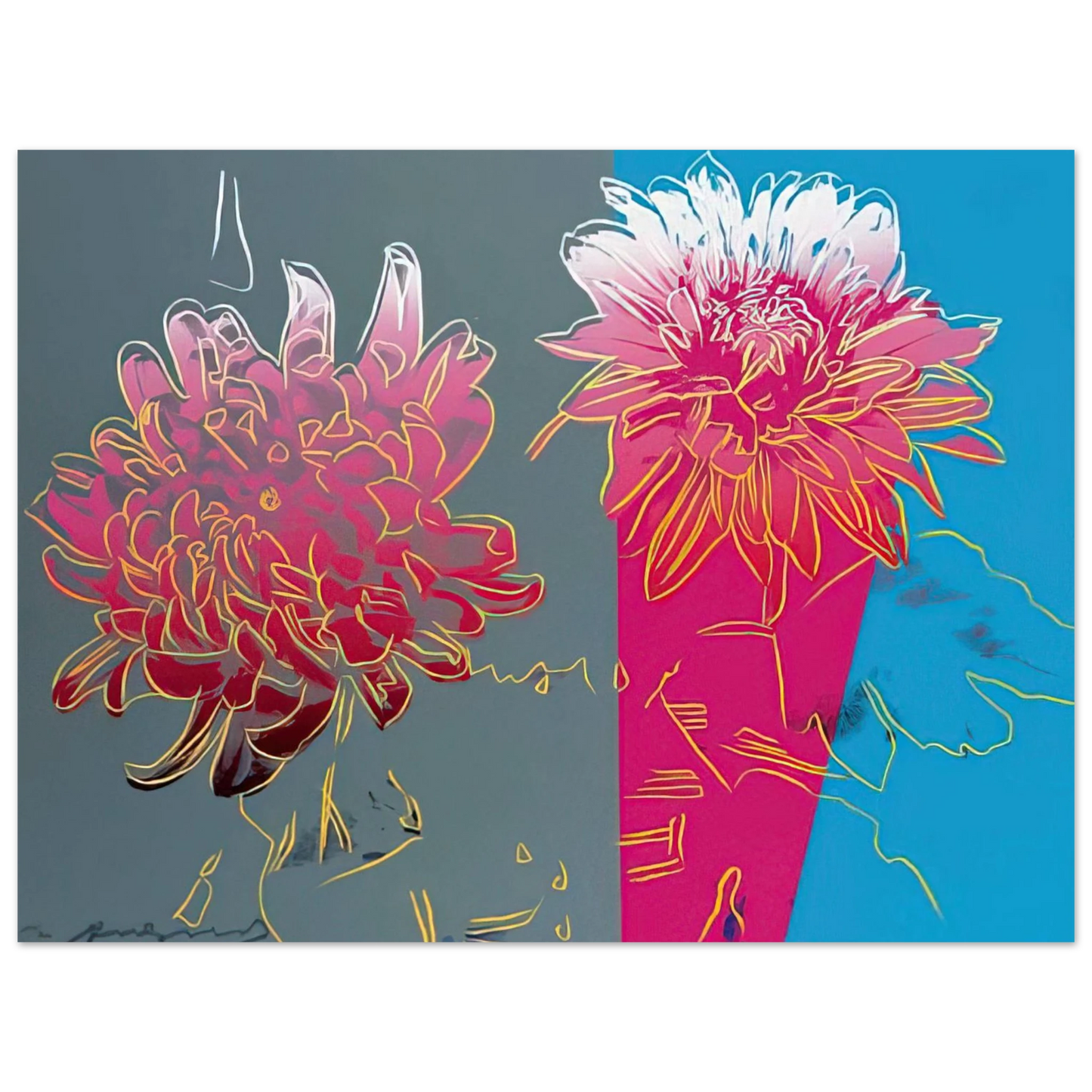
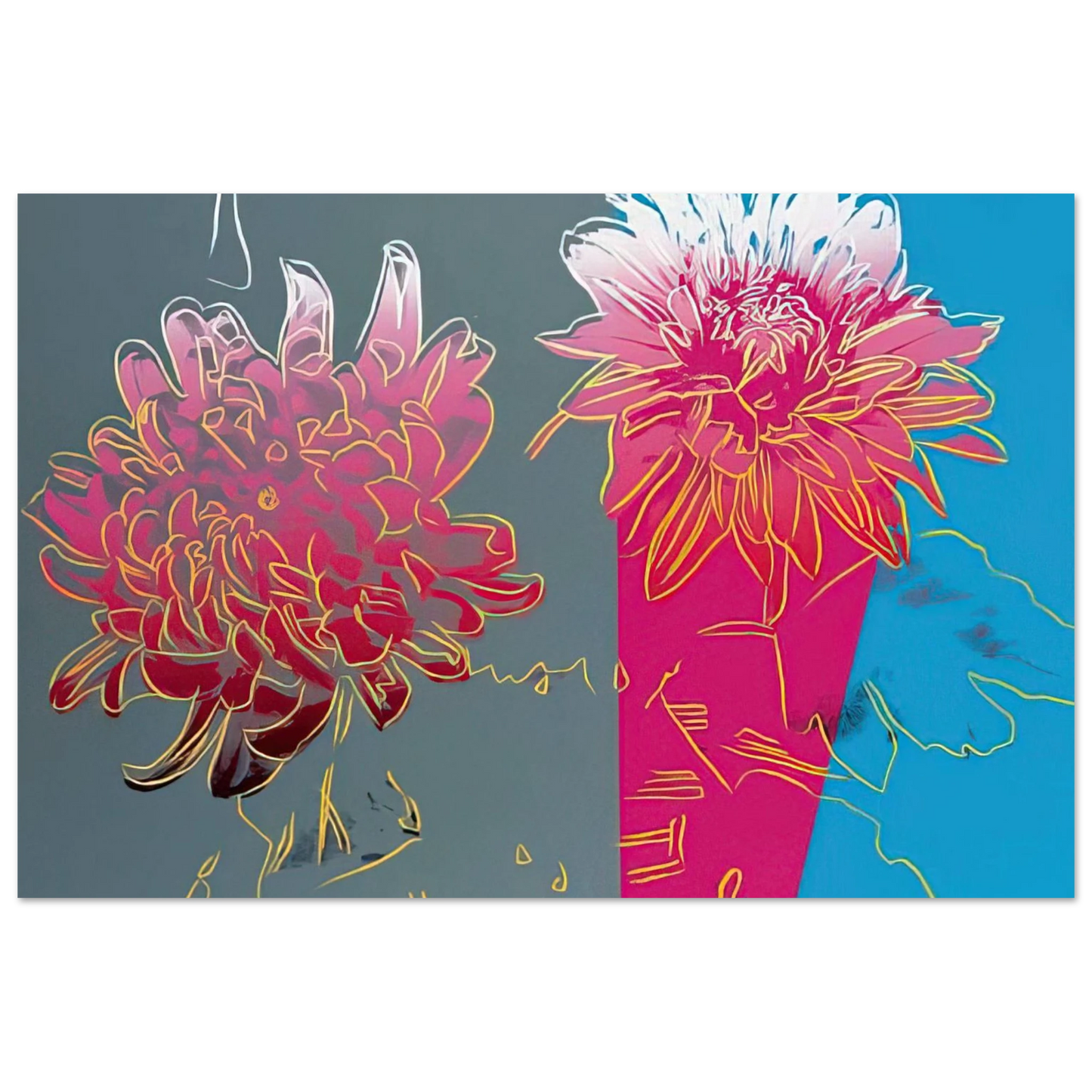
Andy Warhol's Kiku: Una convergenza tra Pop Art occidentale e tradizione giapponese
Scopri l'affascinante intersezione tra la Pop Art occidentale e il simbolismo orientale con questa straordinaria riproduzione di Andy Warhol’s Kiku. Commissionata nel 1983 per una mostra a Tokyo, la serie Kiku (Crisantemo) rappresenta un momento cruciale nella carriera di Warhol, in cui applicò la sua tecnica distintiva di serigrafia all'emblema floreale tradizionale del Trono Imperiale giapponese.
Questa stampa d'arte cattura l'essenza della fascinazione di Warhol per la ripetizione e il colore. A differenza dei suoi soggetti più commerciali, la serie Kiku mostra un delicato equilibrio tra campi di colore saturi e tratti intricati, evocando un senso di eleganza moderna. In RedKalion, preserviamo l'integrità di questo capolavoro attraverso un processo di riproduzione di qualità museale che garantisce che ogni tonalità sia resa con una precisione mozzafiato.
Qualità archivistica per il collezionista esigente
Per onorare l'eredità di Warhol, RedKalion offre questo pezzo su carta di edizione del Maestro. Questo supporto premium offre una finitura sofisticata, opaca e non patinata, che esalta la profondità visiva dei colori senza il disturbo dei riflessi. Ogni stampa è una testimonianza di durata e artigianato, con le seguenti caratteristiche:
- Peso e texture: Una carta dal peso sostanziale di 250 gsm (110 lb) e uno spessore di 0.29 mm (11.4 mils) per una sensazione lussuosa e tattile.
- Longevità archivistica: Composizione senza acidi (pH superiore a 7) che previene l'ingiallimento, garantendo che il tuo investimento rimanga immacolato per generazioni.
- Artigianato etico: Stampato su carta certificata FSC, unendo la bellezza artistica alla responsabilità ambientale.
- Finitura squisita: Una base bianca naturale (avorio) che offre la tela perfetta per la vivida tavolozza di Warhol.
Eleva il tuo spazio interno con un capolavoro archivistico che resiste al tempo. RedKalion è dedicato a fornire riproduzioni di classe mondiale che portano la brillantezza della galleria direttamente nella tua casa o nel tuo ufficio.

Discover Unlimited Art Possibilities
At RedKalion, you can find virtually any artwork from any artist, available in a wide range of sizes to perfectly match your space.
If you didn’t find what you’re looking for, contact us at support@redkalion.com . We will source any artwork and produce it in any size and format you need, including art prints, posters, canvas, framed pieces, framed canvas, and more.
For dedicated art enthusiasts, we also offer handcrafted replicas of any artwork, carefully painted by highly skilled artists using traditional techniques.
For custom requests, contact us at support@redkalion.com .
Cosa rende unica la stampa della Master’s Edition di RedKalion?
La nostra Master’s Edition utilizza carta archivistica da 250 gsm, lo standard aureo per riproduzioni di qualità museale. Questa carta pesante e non patinata offre una texture lussuosa e una profondità cromatica eccezionale, distinguendola dai poster standard.
Questa stampa di Andy Warhol Kiku perderà colore nel tempo?
No. Utilizziamo carta senza acidi con un pH superiore a 7, che previene ingiallimento e degradazione. Combinata con inchiostri di grado archivistico, questa soluzione garantisce che la tua riproduzione di Warhol mantenga la sua vivacità per decenni.
La carta utilizzata per il poster d’arte Kiku è ecologica?
Sì, la sostenibilità è un valore fondamentale per RedKalion. Tutte le nostre stampe di Warhol sono prodotte su carta certificata FSC, garantendo che i materiali provengano da foreste gestite in modo responsabile.
Come viene spedita l’opera d’arte?
La tua opera d’arte viene stampata su richiesta per garantire la massima qualità. Offriamo spedizioni affidabili senza un ordine minimo, utilizzando imballaggi protettivi per assicurare che la tua stampa d’arte arrivi in condizioni perfette.
La stampa Kiku ha una finitura lucida o opaca?
Il poster d’arte Kiku presenta una finitura opaca premium. Questa superficie non patinata e di un bianco naturale elimina i riflessi e offre un aspetto sofisticato, simile a quello di una galleria, adatto a qualsiasi ambiente di illuminazione.
Qual è il significato della serie 'Kiku' nella carriera di Warhol?
Creata nel 1983 per il Gendai Hanga Center di Tokyo, la serie Kiku rappresenta l’esplorazione di Warhol della cultura giapponese, andando oltre il consumismo occidentale per celebrare un simbolo floreale tradizionale di longevità e della famiglia imperiale.
Perché Warhol ha scelto il crisantemo (Kiku) come soggetto?
Warhol era affascinato dal crisantemo per la sua stratificazione complessa e il suo status culturale come fiore nazionale del Giappone. Lo ha utilizzato per sperimentare linee sovrapposte e blocchi di colore vibranti, fondendo la bellezza naturale con tecniche Pop Art industriali.