
Andy Warhol - Telefono Opere d'Arte Poster
Andy Warhol - Telefono Opere d'Arte Poster
Impossibile caricare la disponibilità di ritiro
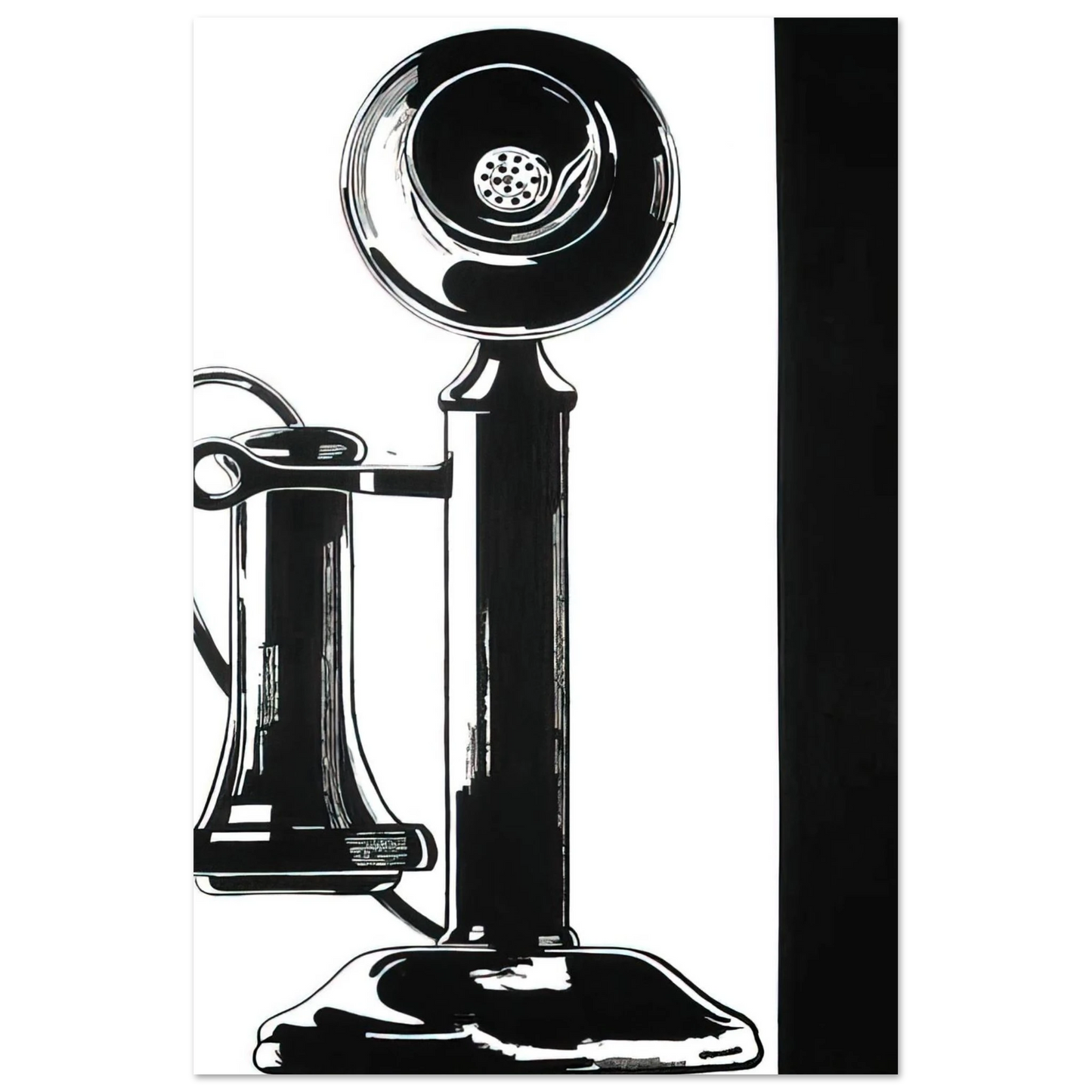
Porta a casa un pezzo di storia della Pop Art: "Telephone" di Andy Warhol
Scopri il genio precoce di Andy Warhol con questa riproduzione di qualità museale del suo capolavoro del 1961, Telephone. Quest'opera iconica segna un momento fondamentale nella storia dell'arte, rappresentando la transizione di Warhol dalle sgocciolature gestuali dell'Espressionismo Astratto all'estetica pulita e commerciale che avrebbe definito il movimento della Pop Art. Elevando un oggetto comune di comunicazione di massa allo status di arte raffinata, Warhol ha rivoluzionato la nostra percezione della vita quotidiana.
Qualità da museo per il collezionista esigente
In RedKalion crediamo che una stampa d'arte fine di Andy Warhol meriti una tela che ne onori l'eredità. Il nostro poster Telephone è prodotto su carta esclusiva Master's Edition archival. Questa carta premium, bianco avorio naturale, offre una finitura opaca lussuosa e non patinata che evita i riflessi, garantendo che le linee audaci della composizione di Warhol siano il fulcro del tuo spazio.
- Eccellenza archivistica: Senza acidi (pH superiore a 7) per prevenire l'ingiallimento e garantire che il tuo investimento rimanga immacolato per generazioni.
- Peso eccezionale: Stampato su carta pesante da 250 gsm (110 lb) per un effetto sostanzioso e di alta gamma.
- Artigianato sostenibile: Utilizziamo carta certificata FSC, stampata e spedita su richiesta per minimizzare l'impatto ambientale.
- Dettaglio di precisione: Uno spessore di 0,29 mm (11,4 mils) offre una texture rigida e professionale adatta per cornici su misura.
Che tu sia un collezionista esperto o un appassionato di design moderno di metà secolo, questa riproduzione di qualità museale offre un modo sofisticato per arredare la tua casa o il tuo ufficio. Rendi il tuo interno non solo decorativo, ma anche un dialogo sull'evoluzione della cultura del XX secolo.


Discover Unlimited Art Possibilities
At RedKalion, you can find virtually any artwork from any artist, available in a wide range of sizes to perfectly match your space.
If you didn’t find what you’re looking for, contact us at support@redkalion.com . We will source any artwork and produce it in any size and format you need, including art prints, posters, canvas, framed pieces, framed canvas, and more.
For dedicated art enthusiasts, we also offer handcrafted replicas of any artwork, carefully painted by highly skilled artists using traditional techniques.
For custom requests, contact us at support@redkalion.com .
Quali sono i dettagli specifici della carta utilizzata per questa stampa di Warhol?
Utilizziamo carta archivistica Master's Edition, che è un supporto naturale bianco, opaco e non patinato da 250 gsm (110 lb). Ha uno spessore di 0,29 mm, garantendo una sensazione premium e una durata adatta alle gallerie professionali.
Questa stampa di Andy Warhol è considerata di qualità archivistica?
Sì, la carta è priva di acidi con un pH superiore a 7, il che previene ingiallimento e degradazione nel tempo. Questo assicura che la vostra riproduzione di qualità museale mantenga la sua chiarezza e profondità originali per decenni.
Come gestisce RedKalion spedizione e produzione?
Per garantire qualità e sostenibilità, ogni stampa viene prodotta su richiesta senza un ordine minimo. Spediamo in imballaggi robusti e protettivi per assicurare che la vostra opera d'arte arrivi in condizioni perfette.
La stampa ha una finitura lucida o opaca?
Questa stampa presenta una finitura opaca di lusso. La superficie non patinata elimina riflessi e abbagliamenti, permettendo di apprezzare appieno l'intensità grafica delle opere di Warhol da qualsiasi angolazione nella vostra stanza.
La carta è ecologica?
Assolutamente. Utilizziamo carta certificata FSC o equivalenti a seconda della disponibilità regionale. Questo sostiene la gestione forestale responsabile e garantisce che il vostro acquisto d'arte sia prodotto in modo etico.
Qual è la rilevanza di 'Telefono' (1961) nella carriera di Warhol?
'Telefono' è un'opera fondamentale del primo periodo Pop di Warhol. Mostra il suo passaggio dalle texture dipinte a mano verso uno stile più grafico e commerciale, prefigurando la sua successiva ossessione per la produzione di massa e la tecnologia.
Di che colore è lo sfondo della carta?
La carta è di un bianco naturale (avorio). Questa tonalità leggermente più calda offre un aspetto più sofisticato e simile a quello dei musei rispetto ai bianchi brillanti sbiancati, perfettamente in linea con l'estetica della Pop Art storica.