
Anni Albers - MEANDRO ROSSO II 1971 75x100 cm / 30x40 pollici Manifesto d'Arte
Anni Albers - MEANDRO ROSSO II 1971 75x100 cm / 30x40 pollici Manifesto d'Arte
Impossibile caricare la disponibilità di ritiro
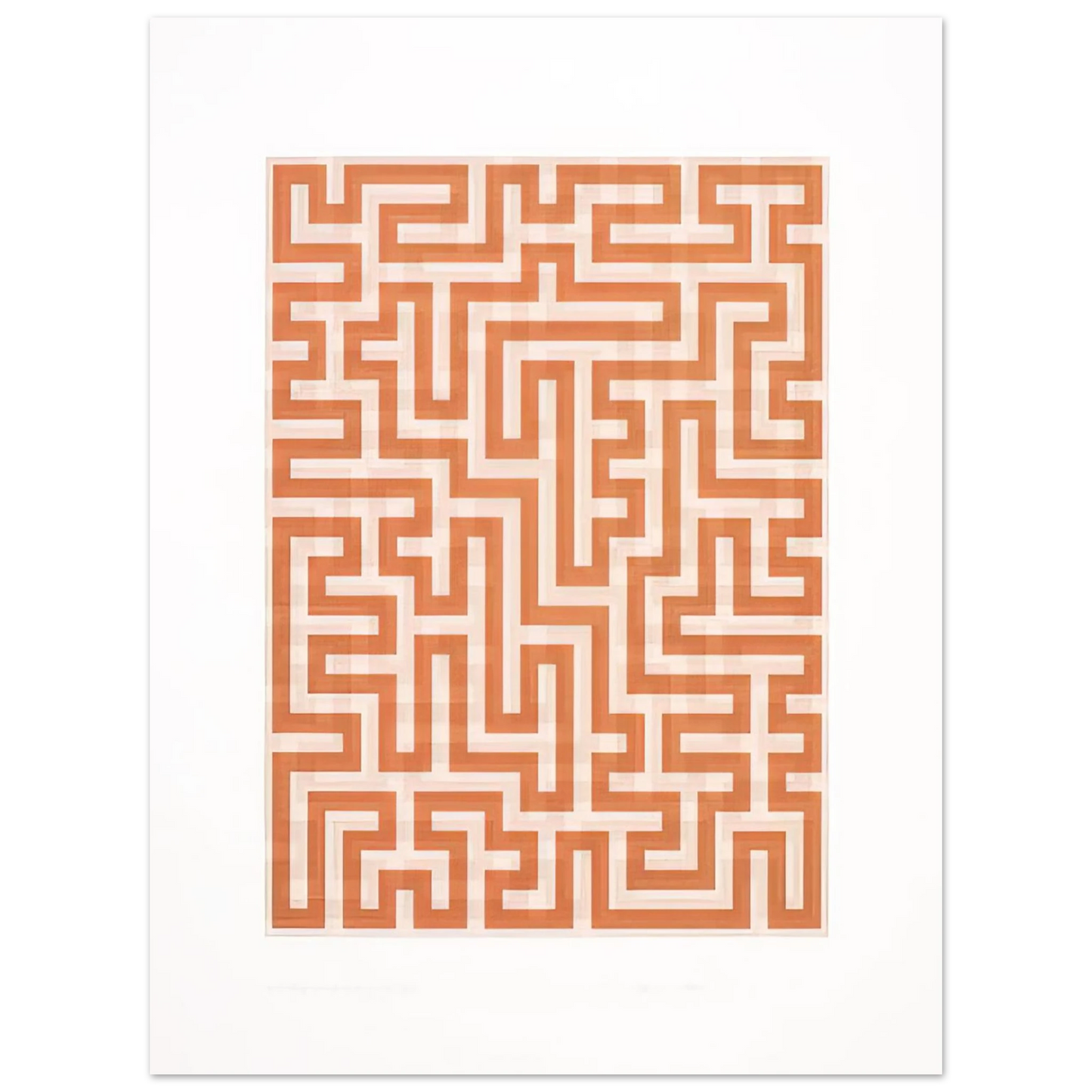
Eleva il tuo spazio con Anni Albers: Red Meander II (1971)
Scopri l'affascinante intersezione tra la tradizione tessile e il modernismo grafico con la nostra riproduzione di qualità museale di Red Meander II (1971) di Anni Albers. Pioniera del movimento Bauhaus, Albers ha trasformato il 'meandro'—un classico motivo architettonico e tessile—in una straordinaria esplorazione di ritmo, linea e profondità spaziale. Questo poster d'arte raffinato di 75x100 cm cattura la vibrante tavolozza cremisi e la complessa struttura labirintica che ha definito il suo passaggio dal telaio alla stampa.
L'Arte del Meandro: Un'Eredità Bauhaus
Nel 1971, Anni Albers aveva ormai abbracciato appieno la tecnica della stampa, traducendo la sua profonda comprensione delle strutture tattili in forme bidimensionali. Red Meander II è un esempio squisito della sua filosofia di 'tessitura pittorica' applicata alla carta. Le linee continue e intrecciate evocano un senso di movimento e stabilità architettonica, testimonianza della sua maestria nell'astrazione geometrica. Quest'opera funge sia da documento storico del modernismo di metà secolo che da affermazione senza tempo per gli interni contemporanei.
Qualità da Museo di RedKalion
Presso RedKalion, curiamo riproduzioni di archivio di qualità superiore, pensate per il collezionista esigente. Questo stampa d'arte di Anni Albers è realizzato su carta Master's Edition di archivio. Con un peso robusto di 250 gsm (110 lb) e uno spessore di 0,29 mm, offre una sensazione premium e sostanziale che riflette la gravità dell'opera originale. La finitura opaca e non patinata e il tono bianco naturale (avorio) garantiscono una texture lussuosa e una saturazione cromatica profonda senza fastidiosi riflessi.
- Longevità dell'Archivio: La carta priva di acidi (pH superiore a 7) assicura che il tuo investimento rimanga vibrante, prevenendo ingiallimento o degrado nel corso dei decenni.
- Eccellenza Sostenibile: Utilizziamo carta certificata FSC, unendo la bellezza artistica alla responsabilità ambientale.
- Presentazione Sofisticata: Il supporto in carta bianca naturale offre uno sfondo storicamente accurato per l'inchiostro rosso intenso di Albers, rispecchiando la tonalità delle stampe originali del XX secolo.
Arricchisci la tua collezione con un'opera che colma il divario tra artigianato e arte elevata. Questo capolavoro d'archivio viene stampato e spedito su richiesta, garantendo che arrivi in condizioni perfette per la tua casa o galleria.
Discover Unlimited Art Possibilities
At RedKalion, you can find virtually any artwork from any artist, available in a wide range of sizes to perfectly match your space.
If you didn’t find what you’re looking for, contact us at support@redkalion.com . We will source any artwork and produce it in any size and format you need, including art prints, posters, canvas, framed pieces, framed canvas, and more.
For dedicated art enthusiasts, we also offer handcrafted replicas of any artwork, carefully painted by highly skilled artists using traditional techniques.
For custom requests, contact us at support@redkalion.com .
Quali sono le specifiche fisiche della carta utilizzata per questa stampa di Anni Albers?
Utilizziamo carta archivistica Master's Edition, pesante 250 gsm (110 lb) e spessa 0,29 mm. Presenta una finitura opaca, non patinata, bianco naturale lussuoso per un effetto premium di qualità museale.
In che modo la qualità archivistica protegge nel tempo la stampa Red Meander II?
La carta è priva di acidi (pH superiore a 7), il che impedisce alla stampa di ingiallire o diventare fragile. Questo garantisce che i vibranti toni di rosso dell'opera di Albers rimangano stabili per decenni.
La carta utilizzata per questo poster d'arte è di provenienza sostenibile?
Sì, RedKalion utilizza carta certificata FSC (o equivalenti a seconda della disponibilità regionale), garantendo che la vostra riproduzione d'arte supporti una gestione forestale responsabile.
Come viene spedita la stampa e c'è un ordine minimo richiesto?
Non abbiamo un ordine minimo. Ogni stampa di Anni Albers viene prodotta su richiesta e spedita in confezioni robuste e protettive per assicurarne l'arrivo in condizioni perfette per una galleria.
Perché la finitura opaca e il bianco naturale sono preferiti per quest'opera specifica?
La finitura opaca elimina i riflessi, permettendo di vedere chiaramente le linee geometriche di Red Meander II da qualsiasi angolazione. Il tono bianco naturale offre una base sofisticata e storicamente accurata.
Qual è il significato storico del motivo 'Meandro' nell'opera di Anni Albers?
Il meandro era un tema ricorrente per Albers, che rappresentava il percorso di un singolo filo. Riflette la sua transizione dalla tessitura del Bauhaus alla stampa grafica attraverso l'astrazione geometrica.
Red Meander II era originariamente un tessuto o una stampa?
Nel 1971, Albers aveva spostato la sua attenzione sulla stampa. Red Meander II fu concepito come serigrafia, permettendole di sperimentare con colori solidi e linee precise in modo più efficace che su un telaio.