
Anni Albers - TIKAL 1958 75x100 cm / 30x40 pollici Locandina d'Arte
Anni Albers - TIKAL 1958 75x100 cm / 30x40 pollici Locandina d'Arte
Impossibile caricare la disponibilità di ritiro
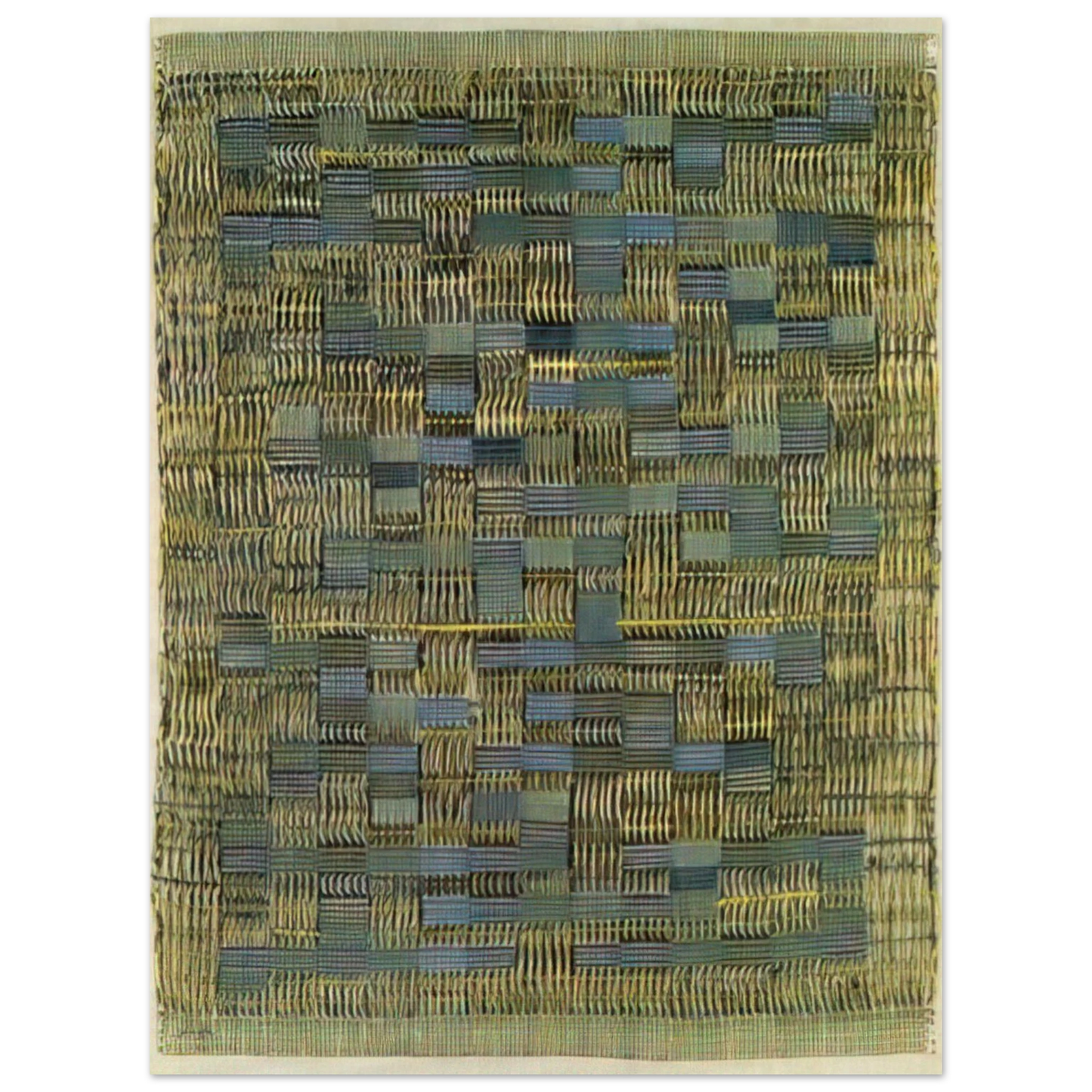
Eleva il tuo spazio con il capolavoro modernista di Anni Albers: Tikal (1958)
Immergiti nell'astrazione ritmica di Tikal (1958) di Anni Albers, un'opera fondamentale che colma il divario tra le antiche tradizioni tessili e il modernismo di metà secolo. Come pioniere del movimento Bauhaus, Albers utilizzava una logica geometrica per creare linguaggi visivi che risuonano di una sofisticatezza senza tempo. Questa specifica composizione, ispirata dai suoi viaggi tra le rovine maya in Guatemala, riflette il suo profondo interesse per l'architettura precolombiana e l'integrità strutturale della griglia.
In RedKalion, onoriamo l'eredità di questa artista visionaria offrendo una riproduzione di qualità museale che cattura ogni sfumatura dell'equilibrio delicato dell'originale. Questo poster di arte raffinata di 75x100 cm (30x40 pollici) non è semplicemente una stampa; è un'esperienza curata pensata per il collezionista esigente che apprezza sia la profondità storica che l'estetica contemporanea.
Qualità di stampa e materiali senza pari
Per garantire che la precisione architettonica di Tikal sia preservata, utilizziamo la nostra esclusiva carta di edizione Master. Questo supporto premium offre una finitura opaca e non patinata che elimina i riflessi, permettendo alla texture naturale della carta color avorio di esaltare la profondità dell'inchiostro. Il nostro impegno per l'eccellenza si riflette nelle specifiche tecniche della tua stampa:
- Peso e spessore: Una carta dal peso sostanziale di 250 gsm (110 lb) con uno spessore di 0,29 mm (11,4 mils) garantisce una sensazione tattile premium.
- Longevità archivistica: Composizione senza acidi (pH superiore a 7) previene ingiallimento e degradazione, assicurando che il tuo investimento duri per generazioni.
- Lusso sostenibile: Stampato su carta certificata FSC, unendo bellezza artistica e responsabilità ambientale.
Che sia esposto in un ufficio minimalista o in un'area living sofisticata, questa stampa di Anni Albers di grado archivistico funge da punto focale di curiosità intellettuale e design sereno. RedKalion garantisce che ogni pezzo venga stampato e spedito su richiesta con i più alti standard di realizzazione professionale, consegnando un capolavoro pronto a trasformare il tuo ambiente.
Discover Unlimited Art Possibilities
At RedKalion, you can find virtually any artwork from any artist, available in a wide range of sizes to perfectly match your space.
If you didn’t find what you’re looking for, contact us at support@redkalion.com . We will source any artwork and produce it in any size and format you need, including art prints, posters, canvas, framed pieces, framed canvas, and more.
For dedicated art enthusiasts, we also offer handcrafted replicas of any artwork, carefully painted by highly skilled artists using traditional techniques.
For custom requests, contact us at support@redkalion.com .
Qual è l'ispirazione storica dietro Tikal (1958) di Anni Albers?
Tikal fu ispirato dalla fascinazione di Albers per l'architettura e i tessuti antichi maya. L'opera traduce i pattern strutturali delle rovine precolombiane in un linguaggio modernista basato su griglie, mostrando la sua capacità unica di sintetizzare la tradizione antica con l'astrazione del Bauhaus.
Che tipo di carta viene utilizzata per questa riproduzione di qualità museale?
Utilizziamo carta archivistica Master's Edition. Si tratta di una carta naturale bianca, opaca e non patinata da 250 gsm (110 lb) che offre una sensazione lussuosa e una profondità cromatica eccezionale senza riflessi, rispettando i più alti standard museali.
Questa stampa d'arte finirà per ingiallire o sbiadire nel tempo?
No. Questa stampa è realizzata su carta senza acidi con un pH superiore a 7, che previene l'ingiallimento e garantisce una stabilità archivistica a lungo termine. Gli inchiostri di alta qualità utilizzati sono progettati per resistere allo sbiadimento per decenni in condizioni adeguate.
La produzione di questa stampa di Anni Albers è ecocompatibile?
Sì. Utilizziamo carta certificata FSC, garantendo che i materiali provengano da foreste gestite in modo responsabile. Inoltre, il nostro modello di stampa su richiesta riduce gli sprechi producendo solo ciò che viene ordinato.
Come vengono spedite e gestite le spedizioni da RedKalion?
Ogni stampa viene maneggiata con cura professionale, stampata su richiesta per garantirne la freschezza e spedita in imballaggi robusti per evitare danni. Offriamo spedizioni internazionali senza requisiti minimi d'ordine.
Qual è il significato dell'anno 1958 nella carriera di Albers?
Entro il 1958, Albers aveva completamente trasferito le sue complesse teorie tessili nella stampa e nel disegno. Tikal rappresenta questo periodo cruciale in cui il suo stile "pittografico" si è evoluto, influenzando generazioni di artisti e designer astratti.
In che modo la finitura opaca influisce sulla percezione visiva della stampa?
La finitura opaca e non patinata assorbe la luce invece di rifletterla. Questo crea un aspetto morbido e sofisticato che enfatizza la texture della carta e le sottili sfumature tonali della composizione geometrica di Albers.