
Anni Albers - TAPPETO MURALE 1926 75x100 cm / 30x40 pollici Poster d'Arte
Anni Albers - TAPPETO MURALE 1926 75x100 cm / 30x40 pollici Poster d'Arte
Impossibile caricare la disponibilità di ritiro
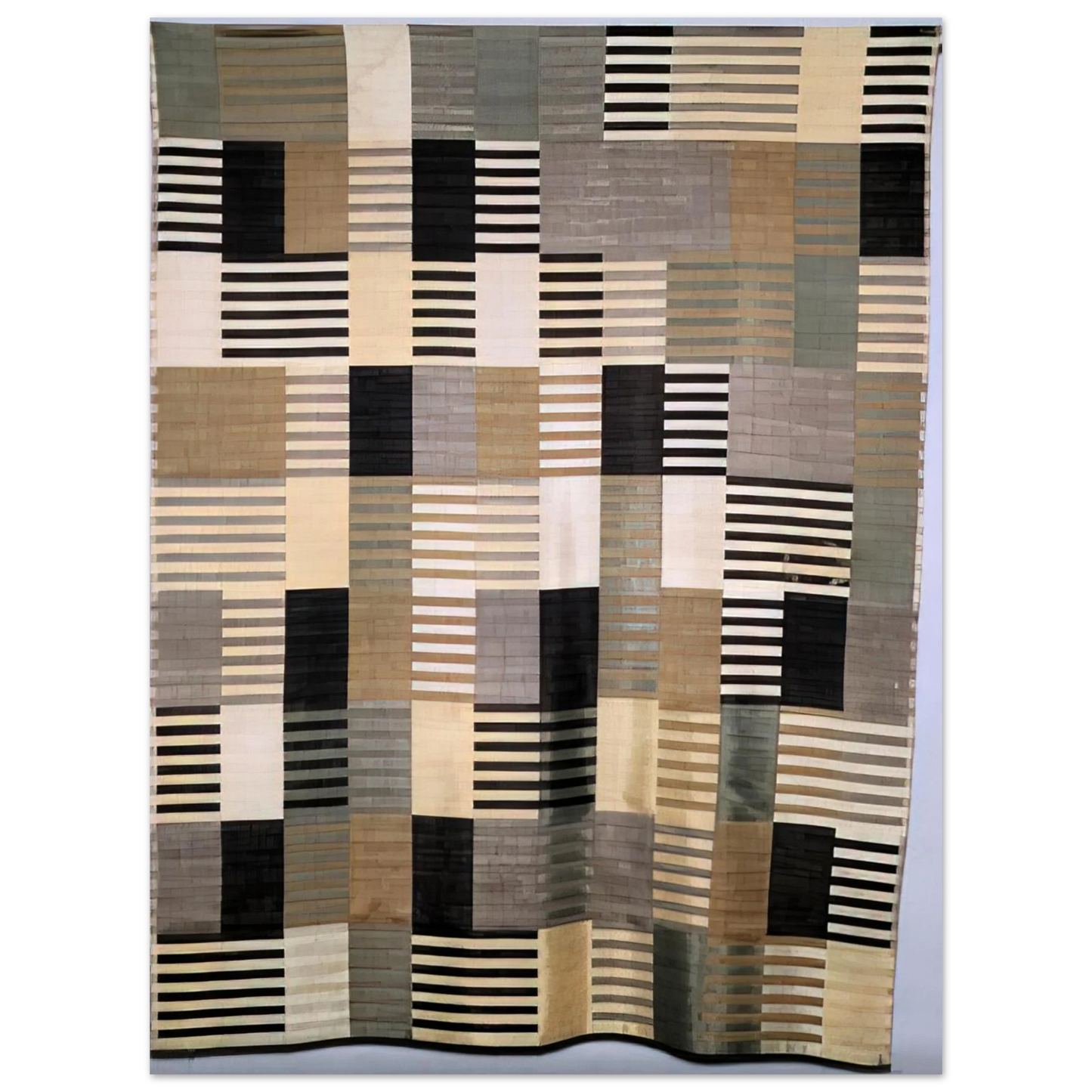
Il ritmo modernista di Anni Albers: Tappeto murale 1926
Eleva il tuo spazio interno con una riproduzione di qualità museale di Anni Albers' Tappeto murale 1926. Pioniera del laboratorio di tessitura del Bauhaus, Albers trasformò i tessuti in un mezzo di astrazione geometrica complessa. Questa specifica composizione è una lezione magistrale di design modernista, che utilizza una griglia verticale e una tavolozza sofisticata per creare un senso di movimento ritmico che rimane attuale ancora oggi come un secolo fa.
Un capolavoro curato per lo spazio contemporaneo
In RedKalion, crediamo che l'arte di livello mondiale meriti una tela di pari livello. Questo stampa d'arte cattura l'interazione intricata di forme e le sottili sfumature tonali caratteristiche della tecnica di tessitura di Albers. Traslando la natura tattile del suo lavoro originale su tessuto sulla nostra carta Master's Edition, offriamo un'esperienza visiva che onora l'eredità dell'artista, offrendo al contempo la longevità richiesta dai collezionisti più esigenti.
Standard eccezionali di materiali
Il nostro impegno per l'eccellenza archivistica garantisce che il vostro investimento duri nel tempo. La riproduzione del Tappeto murale 1926 è stampata su carta bianca naturale da 250 gsm (110 lb), con una finitura opaca e non patinata di lusso. Questa carta senza acidi (pH superiore a 7) previene ingiallimento o degradazione, garantendo che la chiarezza geometrica della visione di Albers rimanga immacolata per generazioni.
- Artista: Anni Albers (Scuola Bauhaus)
- Carta: Master's Edition, 250 gsm, senza acidi
- Finitura: Opaca, bianca naturale con texture lussuosa
- Sostenibilità: Carta certificata FSC per archiviazione
- Longevità: Permanenza di livello museale (pH > 7)
Discover Unlimited Art Possibilities
At RedKalion, you can find virtually any artwork from any artist, available in a wide range of sizes to perfectly match your space.
If you didn’t find what you’re looking for, contact us at support@redkalion.com . We will source any artwork and produce it in any size and format you need, including art prints, posters, canvas, framed pieces, framed canvas, and more.
For dedicated art enthusiasts, we also offer handcrafted replicas of any artwork, carefully painted by highly skilled artists using traditional techniques.
For custom requests, contact us at support@redkalion.com .
Che carta viene usata per questa stampa di Anni Albers?
Utilizziamo carta archivistica Master's Edition, un supporto di qualità museale da 250 gsm (110 lb). Presenta un bianco naturale, finitura opaca non patinata che offre una texture lussuosa ed elimina i riflessi, ideale per esaltare i dettagli delle opere d'arte.
I colori sbiadiranno o la carta ingiallirà nel tempo?
No. Le nostre stampe utilizzano carta senza acidi con un pH superiore a 7. Questo standard archivistico previene l'ingiallimento e preserva l'integrità strutturale e la vivacità dei colori dell'opera per decenni, anche in ambienti domestici simili a gallerie.
Come viene preparata e spedita l'opera?
RedKalion stampa e spedisce ogni ordine su richiesta. Non ci sono quantità minime richieste e utilizziamo imballaggi sicuri e protettivi per garantire che la vostra riproduzione di qualità museale arrivi in condizioni perfette.
La carta è ecologicamente sostenibile?
Sì, diamo priorità all'approvvigionamento etico. La nostra carta archivistica è certificata FSC, garantendo che provenga da foreste gestite in modo responsabile che offrono benefici ambientali, sociali ed economici.
Qual è lo spessore e il peso della stampa?
La stampa è realizzata su carta pesante da 250 gsm con uno spessore di 0,29 mm (11,4 mils). Questo peso sostanziale garantisce che il poster rimanga piatto e resista alle pieghe durante l'incorniciatura e l'esposizione.
Qual è il significato storico di Wall Hanging 1926?
Wall Hanging 1926 è un'opera fondamentale del periodo di Anni Albers al Bauhaus. Rappresenta il passaggio dei tessuti dal mestiere utilitaristico all'astrazione artistica di alto livello, utilizzando griglie matematiche per esplorare un linguaggio visivo moderno.
In che modo lo stile di Anni Albers influisce sul design moderno?
L'attenzione di Albers per il ritmo geometrico e la 'logica' dei materiali ha gettato le basi per il minimalismo moderno. Il suo lavoro continua a ispirare interior designer e artisti che apprezzano struttura, equilibrio ed estetiche ispirate ai tessuti.