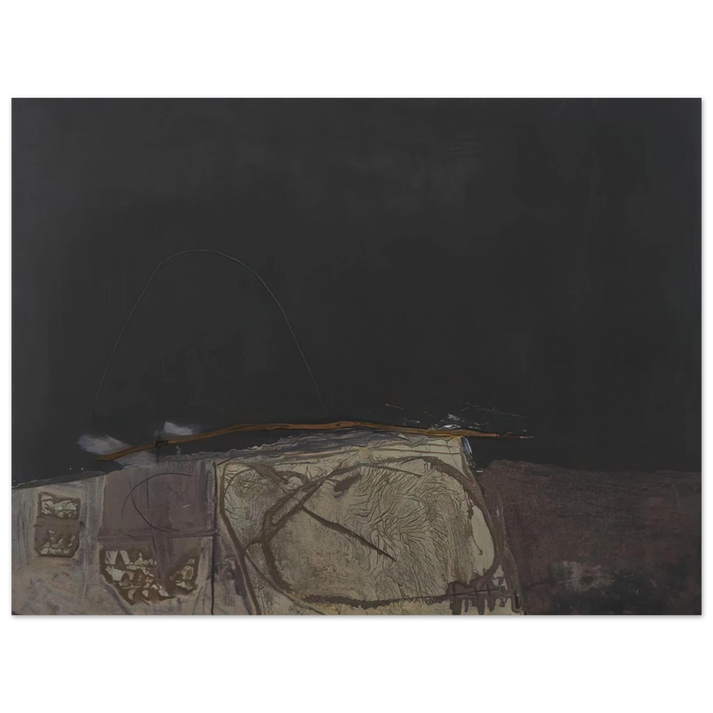
Antoni Tàpies - Dipinto grigio e verde 1957 75x100 cm / 30x40 pollici Manifesto d'Arte
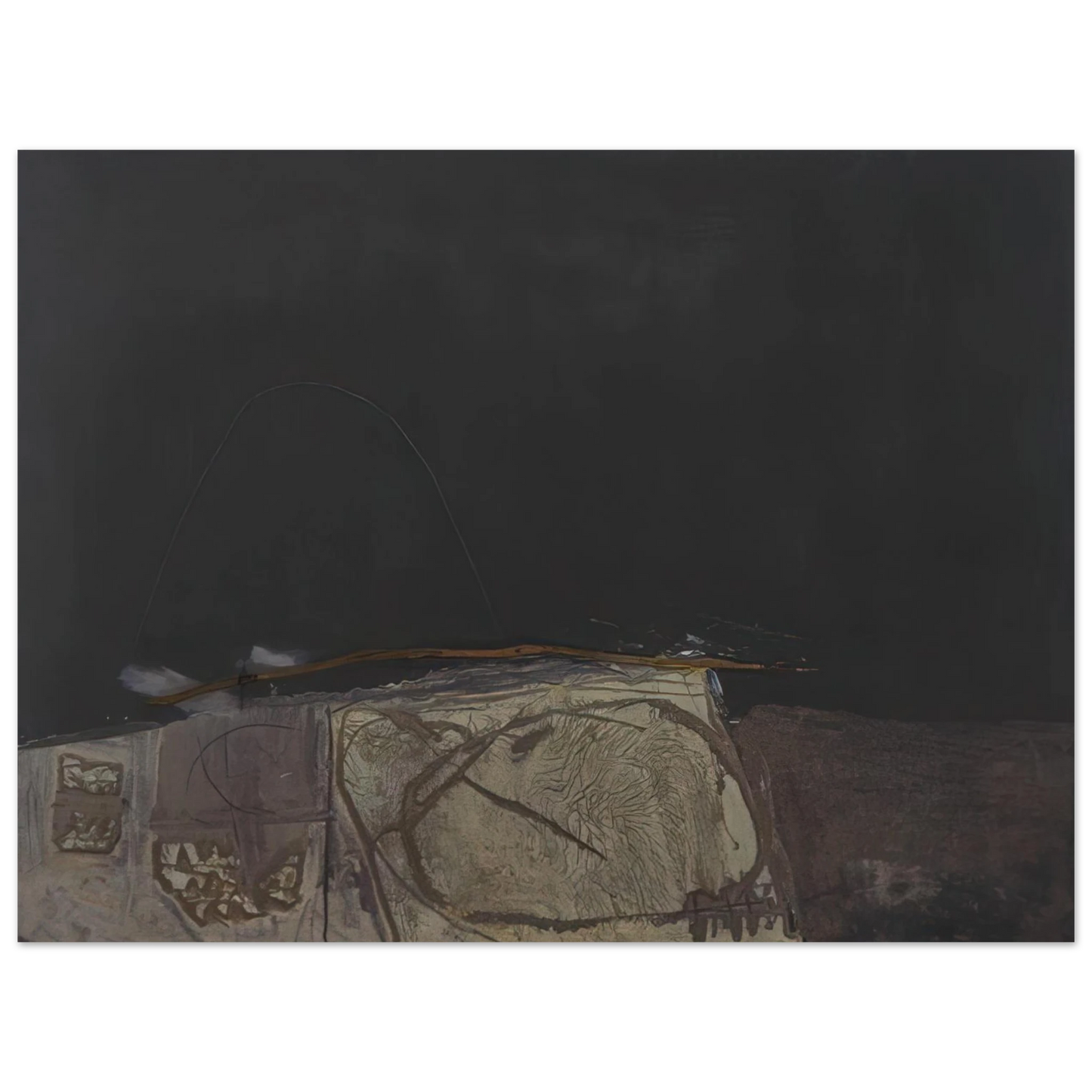
Antoni Tàpies - Dipinto grigio e verde 1957 75x100 cm / 30x40 pollici Manifesto d'Arte
Impossibile caricare la disponibilità di ritiro
L'Essenza dell'Informale: Il dipinto grigio e verde di Antoni Tàpies (1957)
Vivi la profondità profonda di Antoni Tàpiescapolavoro della metà del secolo, Dipinto grigio e verde 1957. Come figura centrale del movimento dell'Informale europeo, Tàpies trasformò la tela in un muro tattile, riflettendo le cicatrici politiche e filosofiche della sua epoca. Questa riproduzione d'arte di 75x100 cm cattura la potenza grezza e meditativa della sua tecnica di "pittura materica", dove la texture e le palette di colori sobri parlano più delle forme tradizionali.
Artigianato di qualità museale per il collezionista esigente
Presso RedKalion, colmiamo il divario tra significato storico ed eleganza d'interni moderna. Questa stampa di qualità museale è prodotta meticolosamente su carta Master's Edition archival. Con un peso robusto di 250 gsm (110 lb) e uno spessore di 0,29 mm, la stampa offre una sensazione premium e sostanziale che rispecchia la gravità dell'opera originale. La finitura opaca, naturale bianca non rivestita garantisce che le ombre intricate e i sottotoni verdi siano riprodotti senza fastidiosi riflessi, offrendo un'esperienza di visione autentica.
Un'eredità di longevità e sostenibilità
Investire in una riproduzione RedKalion significa assicurarsi un pezzo archivistico che dura nel tempo. La nostra carta è priva di acidi (pH superiore a 7), appositamente ingegnerizzata per prevenire ingiallimento o degradazione nel corso dei decenni. Inoltre, manteniamo un impegno verso una curatela etica: tutte le stampe utilizzano carta certificata FSC, assicurando che il tuo apprezzamento per l'arte sia in linea con la responsabilità ambientale. Questo poster d'arte arriva come testimonianza del genio di Tàpies, pronto a elevare il tuo spazio in una galleria privata di astrazione di alto livello.
Discover Unlimited Art Possibilities
At RedKalion, you can find virtually any artwork from any artist, available in a wide range of sizes to perfectly match your space.
If you didn’t find what you’re looking for, contact us at support@redkalion.com . We will source any artwork and produce it in any size and format you need, including art prints, posters, canvas, framed pieces, framed canvas, and more.
For dedicated art enthusiasts, we also offer handcrafted replicas of any artwork, carefully painted by highly skilled artists using traditional techniques.
For custom requests, contact us at support@redkalion.com .
Che qualità di carta viene utilizzata per questa stampa di Antoni Tàpies?
Utilizziamo la carta Master's Edition di archivio, un supporto premium da 250 gsm (110 lb). Presenta una finitura naturale bianca opaca e non patinata, che offre una texture lussuosa e antiriflesso, mettendo in risalto ogni sfumatura della composizione originale del 1957.
La carta utilizzata per quest'opera d'arte è ecologica?
Sì, la sostenibilità è un valore fondamentale per RedKalion. Questo poster d'arte è stampato su carta certificata FSC, garantendo che i materiali provengano da foreste gestite in modo responsabile, che offrono benefici ambientali, sociali ed economici.
I colori della stampa si sbiadiranno o ingialliranno nel tempo?
No. Le nostre stampe sono realizzate su carta senza acidi con un livello di pH superiore a 7. Questo materiale di grado archivistico previene l'ingiallimento e preserva l'integrità dei pigmenti grigi e verdi per generazioni.
Come viene gestita la spedizione e la consegna di quest'opera?
Ogni stampa di Tàpies viene prodotta su richiesta senza un ordine minimo. Utilizziamo una rete di fulfillment globale per garantire che la vostra riproduzione di qualità museale venga stampata e spedita in modo efficiente alla vostra destinazione.
Qual è la texture fisica e lo spessore del poster?
La stampa ha uno spessore di 0,29 mm (11,4 mils), offrendo una sensazione professionale e pesante. La finitura opaca è liscia al tatto ma ricca visivamente, catturando l'estetica della "pittura di materia" per cui Tàpies è famoso.
A quale movimento artistico appartiene "Grey and Green Painting 1957"?
Questa opera è un esempio definitivo dell'Informale (Art Informel). Tàpies utilizzava tecniche di pittura "matière", concentrandosi sulle proprietà fisiche dei materiali per esprimere temi filosofici ed esistenziali nel periodo post-bellico.
Perché l'anno 1957 è significativo per Antoni Tàpies?
Il 1957 è stato un anno cruciale nella carriera di Tàpies, poiché ha perfezionato il suo stile "matter". In questo periodo, ha ottenuto un riconoscimento internazionale significativo, portando al suo grande successo alla Biennale di Venezia poco dopo.