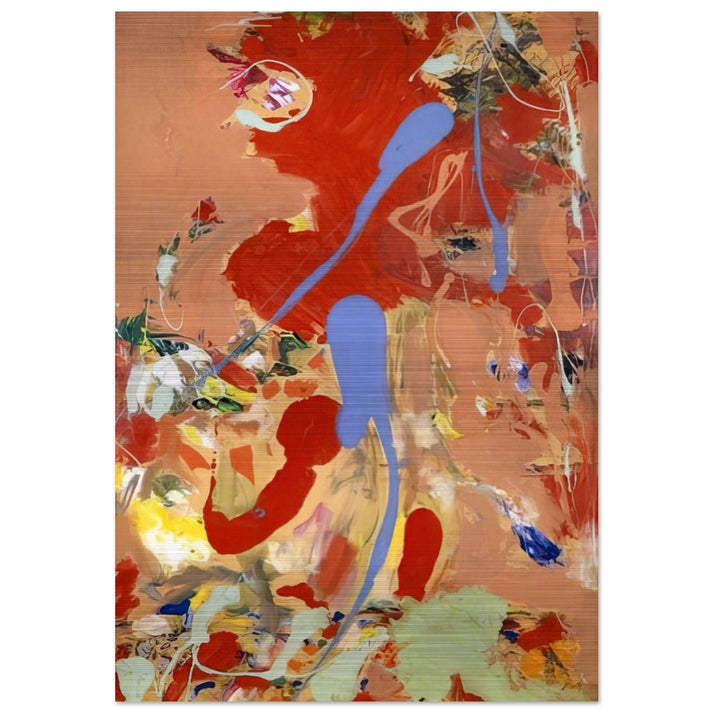


Aquatic Garden - Stampa in Alluminio Verniciato di Hans Hofmann - 70x100 cm / 28x40 pollici | Stampa in Alluminio di Hans Hofmann | Stampe di Hans Hofmann
Aquatic Garden - Stampa in Alluminio Verniciato di Hans Hofmann - 70x100 cm / 28x40 pollici | Stampa in Alluminio di Hans Hofmann | Stampe di Hans Hofmann
Impossibile caricare la disponibilità di ritiro
Un capolavoro dell'Espressionismo Astratto: Hans Hofmann e il suo "Aquatic Garden"
Immergiti nell'energia ritmica di Hans Hofmann’s Aquatic Garden, un'opera fondamentale che racchiude l'essenza dello spirito innovativo della Scuola di New York. Come figura chiave dell'arte del XX secolo, Hofmann utilizzò questa composizione per dimostrare magistralmente la sua teoria del "push and pull" — il concetto secondo cui colore e forma possono creare profondità spaziale e movimento senza fare affidamento sulla prospettiva tradizionale. Questo riproduzione di qualità museale porta questa tensione dinamica nelle case moderne con una chiarezza e una raffinatezza senza pari.
Il vantaggio dell'alluminio spazzolato RedKalion
In RedKalion crediamo che l'arte di livello mondiale meriti una tela contemporanea. Questa edizione del Hans Hofmann Stampa su Alluminio è realizzata con cura su alluminio DIBOND® argentato spazzolato da 3 mm (0.12"). Questa scelta di materiale offre una texture unica e sofisticata che la carta tradizionale non può eguagliare. La grana orizzontale dell'alluminio conferisce un aspetto dinamico, catturando la luce e cambiando mentre ti muovi nella stanza.
- Splendore Metallico: Le aree bianche e chiare dell'opera originale rimangono non stampate, permettendo alla finitura metallica argentata naturale di risplendere per un effetto visivo sorprendente.
- Resistenza e Forma: Il nucleo in DIBOND® da 3 mm è eccezionalmente rigido, garantendo che la tua stampa da 70x100 cm rimanga perfettamente piatta e stabile nel tempo.
- Finitura Opaca: Il nostro processo di stampa diretto sulla superficie garantisce una finitura opaca, priva di riflessi, ideale per ambienti molto luminosi e che mette in risalto la ricca saturazione della tavolozza di Hofmann.
- Longevità Archivistica: Progettata per durare, questa riproduzione di grado archivistico è resistente ai raggi UV e stabile all'umidità, preservando l'integrità dell'opera d'arte per generazioni.
Eleva il Tuo Ambiente
Che tu sia un collezionista esperto o un appassionato di design d'interni, questa stampa di Hans Hofmann funge da punto focale di curiosità intellettuale ed estetica. L'eleganza industriale del substrato in alluminio spazzolato crea un dialogo con i tratti audaci e gestuali di Hofmann, rendendola una scelta ideale per spazi minimalisti o contemporanei. Vivi la fusione del genio della metà del secolo e della scienza dei materiali all'avanguardia con RedKalion.


Discover Unlimited Art Possibilities
At RedKalion, you can find virtually any artwork from any artist, available in a wide range of sizes to perfectly match your space.
If you didn’t find what you’re looking for, contact us at support@redkalion.com . We will source any artwork and produce it in any size and format you need, including art prints, posters, canvas, framed pieces, framed canvas, and more.
For dedicated art enthusiasts, we also offer handcrafted replicas of any artwork, carefully painted by highly skilled artists using traditional techniques.
For custom requests, contact us at support@redkalion.com .
Cosa definisce la qualità di una stampa di Hans Hofmann su alluminio DIBOND?
RedKalion utilizza alluminio DIBOND® da 3 mm con un processo di stampa diretta. Questo garantisce colori vividi e una base resistente e rigida che resiste alla deformazione, offrendo una finitura di qualità museale per le stampe di Hans Hofmann.
Come influisce la finitura spazzolata in argento sull'aspetto di "Aquatic Garden"?
La finitura spazzolata in argento introduce una texture metallica unica. In "Aquatic Garden", le aree bianche non stampate rivelano il metallo argenteo, creando un effetto luminoso e di alto livello che la carta tradizionale non può replicare.
La ferramenta per l'appensione è inclusa con questa stampa di Hans Hofmann su alluminio?
Sì, ogni stampa di Hans Hofmann su alluminio di RedKalion include un kit di appensione professionale. La ferramenta specifica varia in base al paese di spedizione per garantire l'installazione più sicura per il tuo pezzo da 70x100 cm.
Come fa RedKalion a garantire la longevità archivistica delle sue stampe d'arte?
Utilizziamo inchiostri di grado archivistico e un substrato robusto in AluDibond. Questa combinazione è resistente ai raggi UV e stabile all'umidità, garantendo che la tua stampa d'arte mantenga l'integrità dei colori e la forma strutturale per decenni.
Quali sono le logistiche di spedizione per questa riproduzione di qualità museale da 70x100 cm?
La tua stampa viene imballata in modo sicuro con materiali protettivi personalizzati. RedKalion coordina la logistica globale per assicurare che la tua riproduzione di qualità museale arrivi in condizioni perfette, pronta per essere esposta immediatamente.
Qual è il significato della tecnica "push and pull" in "Aquatic Garden" di Hofmann?
La tecnica "push and pull" utilizza colori e forme contrastanti per creare un senso di movimento e profondità. In "Aquatic Garden", trasforma una superficie piatta in un ambiente pulsante e ritmico.
Quando Hans Hofmann ha creato "Aquatic Garden" e a quale era appartiene?
Hofmann ha dipinto "Aquatic Garden" all'inizio degli anni '50. Rappresenta l'apice dell'Espressionismo Astratto e della Scuola di New York, mostrando la maestria di Hofmann nel colore e nella teoria spaziale.