
Brice Marden - Disegno Post-Calligrafico - 1998 75x100 cm / 30x40 pollici Manifesto d'Arte
Brice Marden - Disegno Post-Calligrafico - 1998 75x100 cm / 30x40 pollici Manifesto d'Arte
Impossibile caricare la disponibilità di ritiro
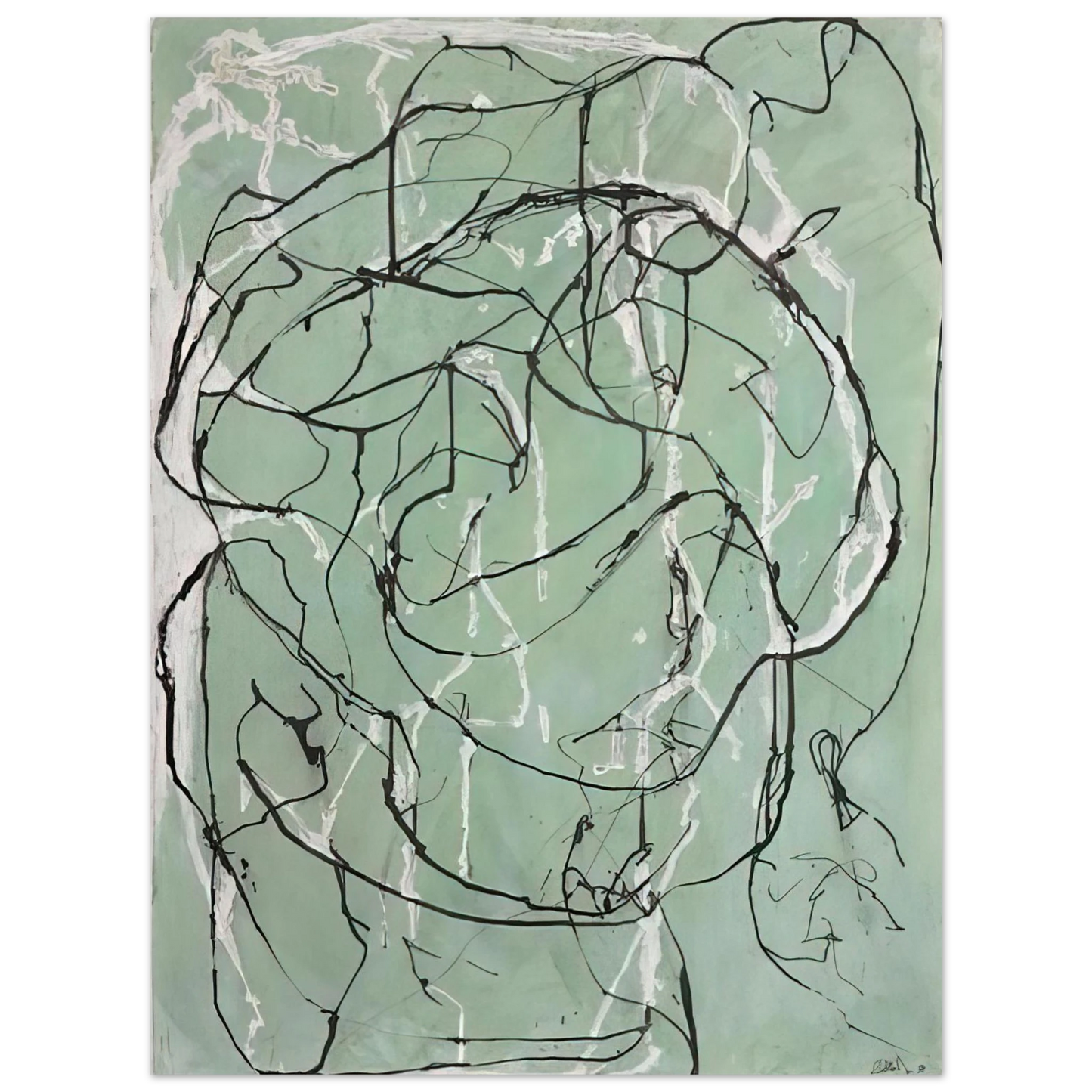
Brice Marden: Post Calligraphic Drawing (1998) – Uno studio sull'astrazione ritmica
Eleva il tuo spazio con una riproduzione di qualità museale di Post Calligraphic Drawing (1998)di Brice Marden. Questo capolavoro della fine del ventesimo secolo rappresenta un momento fondamentale nella carriera dell'artista, in cui il minimalismo rigoroso dei suoi primi pannelli si è dissolto nelle linee fluide e sinuose ispirate alla calligrafia cinese e alle forme naturali. Presso RedKalion, curiamo questa stampa d'arte per preservare l'equilibrio delicato tra la complessità gestuale di Marden e la sua sobria disciplina strutturale.
Il disegno del 1998 qui presentato è un esempio squisito dell'evoluzione di Marden verso le "Cold Mountain", in cui le linee non si limitano a posarsi sulla superficie ma si intrecciano in uno spazio profondo e atmosferico. La nostra riproduzione di livello archivistico cattura ogni sfumatura della mano dell'artista, dalle sottili variazioni nello spessore delle linee alle deliberate pause ritmiche che definiscono il suo stile calligrafico.
Lo Standard Archivistico RedKalion
Per onorare l'eredità di Marden, ogni stampa viene realizzata su carta di edizione del Maestro. Questa carta premium da 250 gsm (110 lb) è un supporto pesante di qualità museale, progettato per durare generazioni. La finizione opaca, non patinata, bianco naturale offre una texture sofisticata e lussuosa che elimina i riflessi, permettendo allo spettatore di apprezzare l'intreccio intricato tra linea e vuoto senza distrazioni.
- Peso: 250 gsm (110 lb) per una sensazione di qualità premium e consistente.
- Longevità: Senza acidi (pH superiore a 7) per garantire che la carta non ingiallisca né si degradi nel tempo.
- Sostenibilità: Stampata su carta certificata FSC, a sostegno della gestione responsabile delle foreste.
- Chiarezza: Stampa ad alta definizione che rispetta l'integrità dell'originale del 1998.
Scegliendo questa edizione RedKalion, non acquisti semplicemente un poster; stai investendo in una riproduzione di qualità museale che riflette la presenza di un originale custodito in galleria. Quest'opera porta un senso di movimento contemplativo e profondità intellettuale in qualsiasi ambiente moderno.
Discover Unlimited Art Possibilities
At RedKalion, you can find virtually any artwork from any artist, available in a wide range of sizes to perfectly match your space.
If you didn’t find what you’re looking for, contact us at support@redkalion.com . We will source any artwork and produce it in any size and format you need, including art prints, posters, canvas, framed pieces, framed canvas, and more.
For dedicated art enthusiasts, we also offer handcrafted replicas of any artwork, carefully painted by highly skilled artists using traditional techniques.
For custom requests, contact us at support@redkalion.com .
Cosa rende questa stampa di Brice Marden di qualità museale?
Le nostre stampe di Brice Marden utilizzano carta patinata Master's Edition da 250 gsm. Questo supporto senza acidi garantisce che la riproduzione mantenga la sua integrità e profondità di colore per decenni, rispecchiando gli standard richiesti da gallerie e musei internazionali.
Come si riflette lo stile "Post Calligraphic" in quest'opera del 1998?
L'opera del 1998 mostra il passaggio di Marden dal minimalismo a linee fluide e sinuose ispirate alla calligrafia orientale. Questo stile enfatizza il gesto fisico del disegno e l'intersezione ritmica delle linee in uno spazio non rappresentativo.
Qual è la texture e la finitura della carta?
La carta presenta una finitura opaca, non patinata, di un bianco naturale (avorio). Questo conferisce una texture lussuosa e tattile e previene i riflessi, garantendo che i dettagli fini dell'opera siano visibili da qualsiasi angolazione nella tua stanza.
Come garantisce la qualità archivistica la longevità?
La carta è priva di acidi con un valore di pH superiore a 7. Questa stabilità chimica previene l'ingiallimento e la fragilità comunemente associati ai poster standard, rendendola un investimento duraturo per i collezionisti.
Come vengono imballate e spedite le stampe?
Ogni stampa viene prodotta su richiesta e spedita in imballaggi protettivi robusti per garantirne l'arrivo in condizioni perfette. RedKalion mantiene una politica di ordine minimo per tutte le riproduzioni archivistiche.
La carta è di provenienza sostenibile?
Sì, diamo priorità alla responsabilità ambientale. Tutte le stampe sono prodotte su carta certificata FSC (Forest Stewardship Council), garantendo che i materiali provengano da foreste gestite in modo sostenibile.
Qual era l'ispirazione di Marden per i suoi disegni del periodo tardo?
Marden fu profondamente influenzato dalla calligrafia e dalla poesia cinese, in particolare dalle opere del poeta della dinastia Tang Han Shan (Montagna Fredda). Questo lo portò al suo stile caratteristico di linee organiche intrecciate e composizioni eteree.