


CELL 1988 - Gerhard Richter Stampa in alluminio spazzolato - 70x100 cm / 28x40 pollici | Stampa in alluminio di Gerhard Richter | Stampe di Gerhard Richter
CELL 1988 - Gerhard Richter Stampa in alluminio spazzolato - 70x100 cm / 28x40 pollici | Stampa in alluminio di Gerhard Richter | Stampe di Gerhard Richter
Impossibile caricare la disponibilità di ritiro
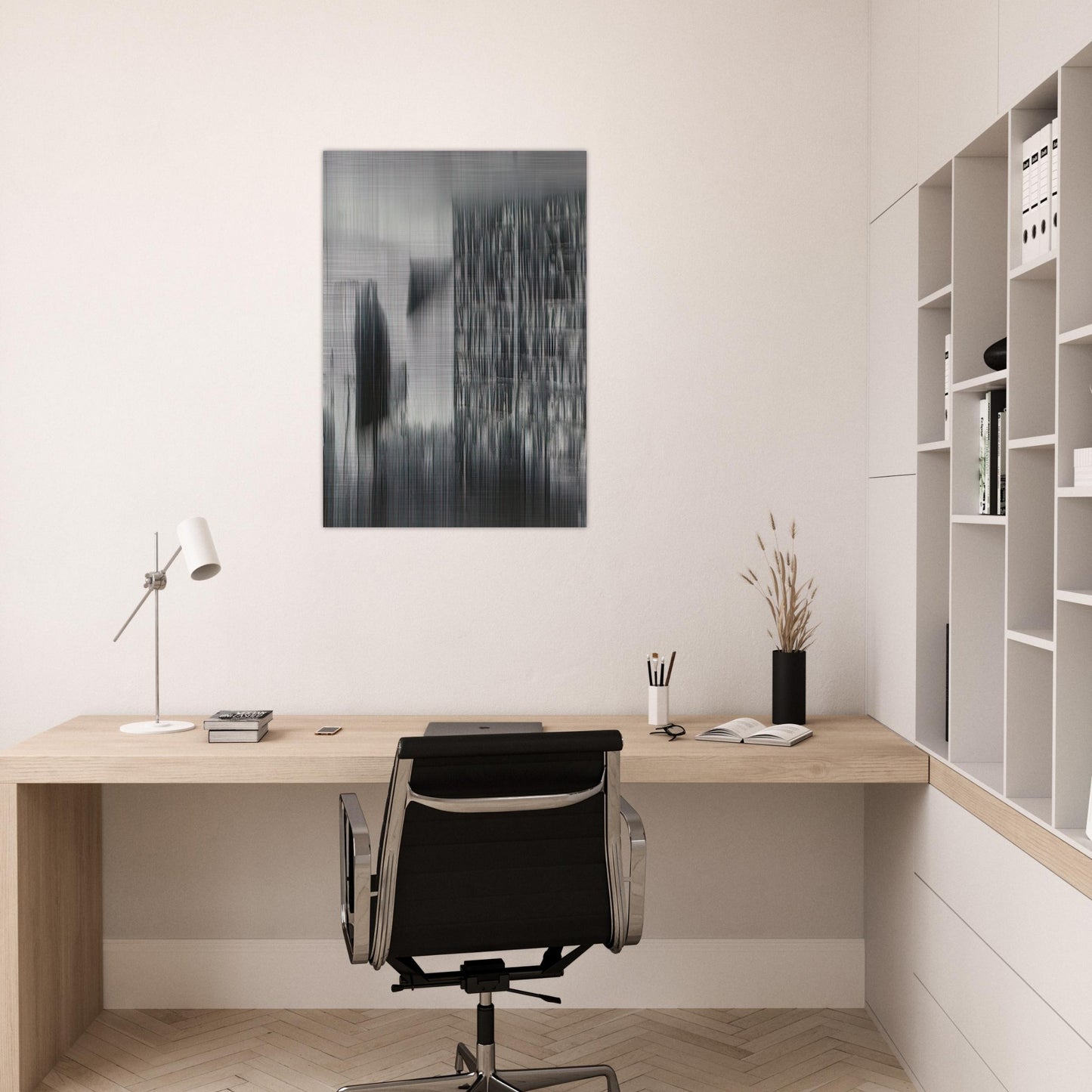
CELL 1988: Un capolavoro inquietante di Gerhard Richter
Vivi il profondo peso emotivo della storia contemporanea con la riproduzione museale di qualità di RedKalion di CELL 1988. Parte del ciclo fondamentale di Gerhard Richter 18 ottobre 1977 , questa opera riflette sulle complessità del gruppo Baader-Meinhof attraverso la tecnica del 'foto-pittura' caratteristica di Richter. L'estetica monocromatica e sfocata cattura un momento sospeso tra documento storico e memoria personale, invitando a una profonda contemplazione in qualsiasi spazio moderno.
Materiale moderno incontra profondità storica
Per onorare l'atmosfera industriale e austera dell'argomento di Richter, questa stampa su alluminio di Gerhard Richter è realizzata su alluminio DIBOND® spazzolato argento da 3 mm (0,12") Aluminum DIBOND®. La grana orizzontale della finitura metallica offre una texture dinamica che interagisce con la luce ambientale, accentuando il senso di spazio e profondità insito nell'opera originale. Non si tratta solo di una stampa d'arte: è un oggetto d'arte durevole, rigido e sofisticato.
Qualità di stampa senza compromessi
RedKalion utilizza tecnologia di stampa diretta all'avanguardia per ottenere una finitura opaca e priva di riflessi. In questa specifica riproduzione, le aree non stampate lasciano emergere l'effetto argento spazzolato naturale dell'alluminio, creando un interplay sorprendente tra la tavolozza smorzata dell'artista e il materiale grezzo. Questa riproduzione di qualità museale garantisce che la sfumatura inquietante della pennellata di Richter rimanga vivida e duratura per generazioni. riproduzione di qualità museale
- Materiale: Alluminio DIBOND® spazzolato argento da 3 mm con finitura metallica.
- Effetto visivo: Superficie opaca e priva di riflessi con una caratteristica grana orizzontale.
- Resistenza: Molto rigido e leggero, perfetto per esposizioni di grande formato.
- Pronto per essere appeso: Incluso un kit di montaggio premium adatto alla tua posizione.
Eleva il tuo interno con un capolavoro archivistico che fonde il rigore intellettuale dell'arte europea del XX secolo con l'estetica all'avanguardia del metallo industriale. Affidati a RedKalion per ottenere un pezzo che definisca l'intersezione tra storia e design moderno.


Discover Unlimited Art Possibilities
At RedKalion, you can find virtually any artwork from any artist, available in a wide range of sizes to perfectly match your space.
If you didn’t find what you’re looking for, contact us at support@redkalion.com . We will source any artwork and produce it in any size and format you need, including art prints, posters, canvas, framed pieces, framed canvas, and more.
For dedicated art enthusiasts, we also offer handcrafted replicas of any artwork, carefully painted by highly skilled artists using traditional techniques.
For custom requests, contact us at support@redkalion.com .
Cosa definisce la qualità di questa stampa in alluminio di Gerhard Richter?
Le nostre stampe di Gerhard Richter sono realizzate su alluminio DIBOND® premium da 3 mm. Questo materiale offre una finitura argentata spazzolata sofisticata e una durata eccezionale, garantendo un'estetica di qualità museale che resiste alla deformazione e allo sbiadimento nel tempo.
La ferramenta per appendere è inclusa con la stampa?
Sì, ogni stampa in alluminio RedKalion arriva con un kit di appendimento professionale incluso. Il tipo specifico di ferramenta varia in base al paese di spedizione per garantire un montaggio sicuro ed esteticamente gradevole per la tua zona.
In che modo l'effetto 'argentato spazzolato' influisce sull'opera d'arte?
L'effetto argentato spazzolato crea una lucentezza metallica dove compaiono bianco o colori chiari nel disegno. Questa grana orizzontale aggiunge una texture contemporanea e architettonica che si modifica leggermente mentre ti muovi intorno all'opera.
Qual è la durata di conservazione di una stampa AluDibond?
L'AluDibond è un materiale di grado archivistico progettato per la longevità. Il metodo di stampa diretta garantisce colori vividi e una finitura opaca, priva di riflessi, che rimane stabile per decenni, rendendolo un vero investimento per i collezionisti.
Come devo pulire la mia stampa d'arte fine RedKalion?
Per mantenere l'aspetto impeccabile della tua stampa, utilizza un panno in microfibra morbido e asciutto per rimuovere delicatamente la polvere. Evita l'uso di prodotti chimici aggressivi o materiali abrasivi, poiché la finitura opaca si preserva al meglio con una manipolazione delicata.
Qual è il contesto storico di 'CELL 1988'?
CELL 1988 fa parte della serie '18. Oktober 1977', che esplora le vite e le morti dei membri della Fazione dell'Esercito Rosso nel carcere di Stammheim. Rappresenta lo stile 'foto-pittura' di Richter, fondendo storia e ambiguità artistica.
Perché Richter ha utilizzato una tecnica sfocata per questa serie?
Richter ha impiegato la 'sfocatura' per creare un senso di distanza e distacco storico. Riflette la difficoltà di percepire la verità in eventi politicamente carichi, trasformando una fotografia specifica in una meditazione universale sulla mortalità.