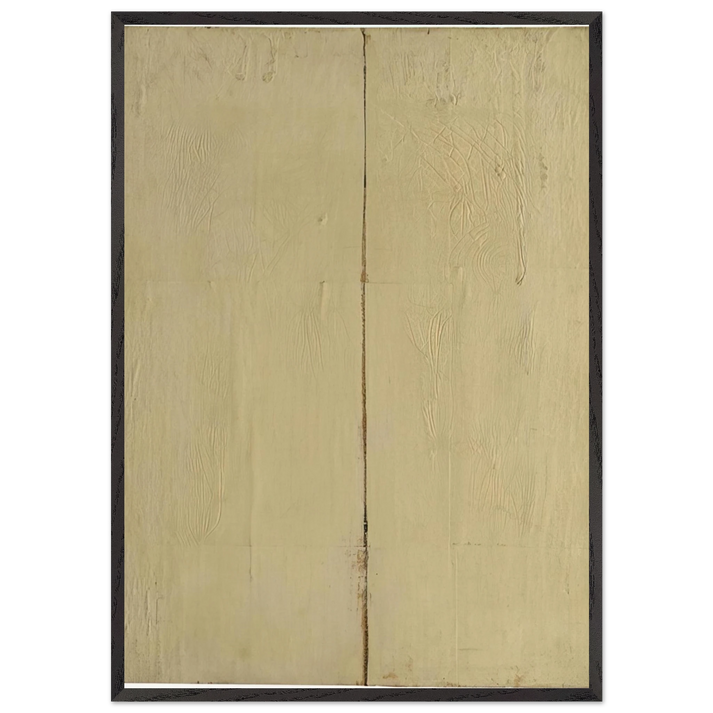
Ciro - 1961 - Mario Schifano 70x100 cm / 28x40 inches Stampa d'arte incorniciata – Cornice in legno nero
Ciro - 1961 - Mario Schifano 70x100 cm / 28x40 inches Stampa d'arte incorniciata – Cornice in legno nero
Impossibile caricare la disponibilità di ritiro
Eleva il tuo spazio con "Ciro" (1961) di Mario Schifano
Scopri l'energia grezza dell'avanguardia italiana con questa riproduzione di qualità museale di "Ciro" (1961) di Mario Schifano. Come figura di spicco della Scuola di Piazza del Popolo, Schifano ridefinì i confini tra arte alta e paesaggio urbano. "Ciro" rappresenta un momento cruciale degli anni '60 in cui la tipografia e le tecniche di smalto industriale si fusero per creare un nuovo linguaggio visivo, spesso considerato il precursore della Pop Art europea.
Il Maestro della Pop Art Italiana
Nel 1961, Schifano abbandonò l'astrazione tradizionale per abbracciare l'iconografia della strada. Quest'opera, caratterizzata dalla sua presenza grafica audace e profondità monocromatica, mostra la sua fascinazione per la pubblicità e la segnaletica urbana. La nostra stampa d'arte cattura ogni sfumatura della texture originale, offrendo un pezzo autorevole per il collezionista moderno.
L'Eccellenza Artigianale di RedKalion
In RedKalion, non curiamo solo immagini; preserviamo la storia. Questa stampa d'arte incorniciata da 70x100 cm (28x40 pollici) viene prodotta utilizzando materiali di grado archivistico progettati per durare generazioni. Le specifiche includono:
- Carta di Qualità Archivistica Museale: Stampata su carta naturale bianca da 250 gsm (110 lb), opaca e non patinata per una finitura sofisticata senza riflessi.
- Cornice in Legno Massiccio: Inclusa in una cornice nera premium realizzata con quercia e frassino provenienti da fonti sostenibili. Il profilo è spesso 20 mm (0,79") e offre una presenza più sostanziale e lussuosa rispetto alle cornici standard da 14 mm.
- Protezione Antiframmento: Il tuo capolavoro è protetto da un plexiglass antisfondamento ad alta chiarezza.
- Eccellenza Sostenibile: Utilizziamo materiali certificati FSC, garantendo che il tuo investimento sia in linea con la responsabilità ambientale.
Pronto per essere appeso direttamente dalla scatola, questo riproduzione di Mario Schifano non è solo una decorazione; è un manufatto del genio del XX secolo, curato da RedKalion per elevare il tuo interno con sofisticazione senza tempo.

Discover Unlimited Art Possibilities
At RedKalion, you can find virtually any artwork from any artist, available in a wide range of sizes to perfectly match your space.
If you didn’t find what you’re looking for, contact us at support@redkalion.com . We will source any artwork and produce it in any size and format you need, including art prints, posters, canvas, framed pieces, framed canvas, and more.
For dedicated art enthusiasts, we also offer handcrafted replicas of any artwork, carefully painted by highly skilled artists using traditional techniques.
For custom requests, contact us at support@redkalion.com .
Cosa rende questa stampa di Mario Schifano di qualità museale?
Utilizziamo carta patinata di grado archivistico da 250 gsm e tecniche di stampa ad alta fedeltà per replicare la profondità e la texture dell'originale del 1961. Queste riproduzioni di qualità museale garantiscono che l'opera d'arte rimanga un punto focale duraturo nella tua collezione.
La cornice è inclusa con la stampa d'arte 'Ciro'?
Sì, quest'opera arriva in una cornice nera in legno premium da 20 mm, realizzata con quercia e frassino provenienti da fonti responsabili. Include un kit di montaggio, quindi è pronta per essere appesa direttamente alla parete al momento dell'arrivo.
Quali sono le specifiche tecniche della carta?
La stampa utilizza carta patinata naturale bianca da 250 gsm (110 lb) con uno spessore di 0,29 mm. Questa carta non patinata è ideale per l'arte di pregio, offrendo un'estetica ricca e priva di riflessi.
Come viene prototta l'opera durante la spedizione?
Ogni stampa incorniciata viene accuratamente imballata con angoli protettivi e vetro acrilico infrangibile per garantire che arrivi a destinazione in condizioni perfette. Il nostro imballaggio sostenibile è progettato per resistere in modo sicuro ai trasporti internazionali.
I colori della stampa sbiadiranno nel tempo?
No, l'uso di materiali certificati FSC e carta senza acidi garantisce che i vibranti neri e bianchi del 'Ciro' di Schifano rimangano nitidi e resistenti allo sbiadimento per decenni.
Chi era Mario Schifano e quale fu il suo significato nel 1961?
Mario Schifano era un artista italiano radicale e fondatore della Pop Art italiana. Nel 1961, ha rivoluzionato l'uso di sfondi monocromi e loghi industriali, colmando il divario tra arte raffinata e realtà urbana.
Qual è il significato artistico della composizione 'Ciro'?
'Ciro' esemplifica il periodo 'monocromo' di Schifano, in cui utilizzava smalto e carta per simulare i manifesti cittadini. Si concentra sulla potenza grafica del testo e dello spazio, riflettendo la rapida industrializzazione dell'Italia del dopoguerra.