
Georgia O'Keeffe - Black Place II Poster d'Arte
Georgia O'Keeffe - Black Place II Poster d'Arte
Impossibile caricare la disponibilità di ritiro
Georgia O'Keeffe - Black Place II Poster d'arte
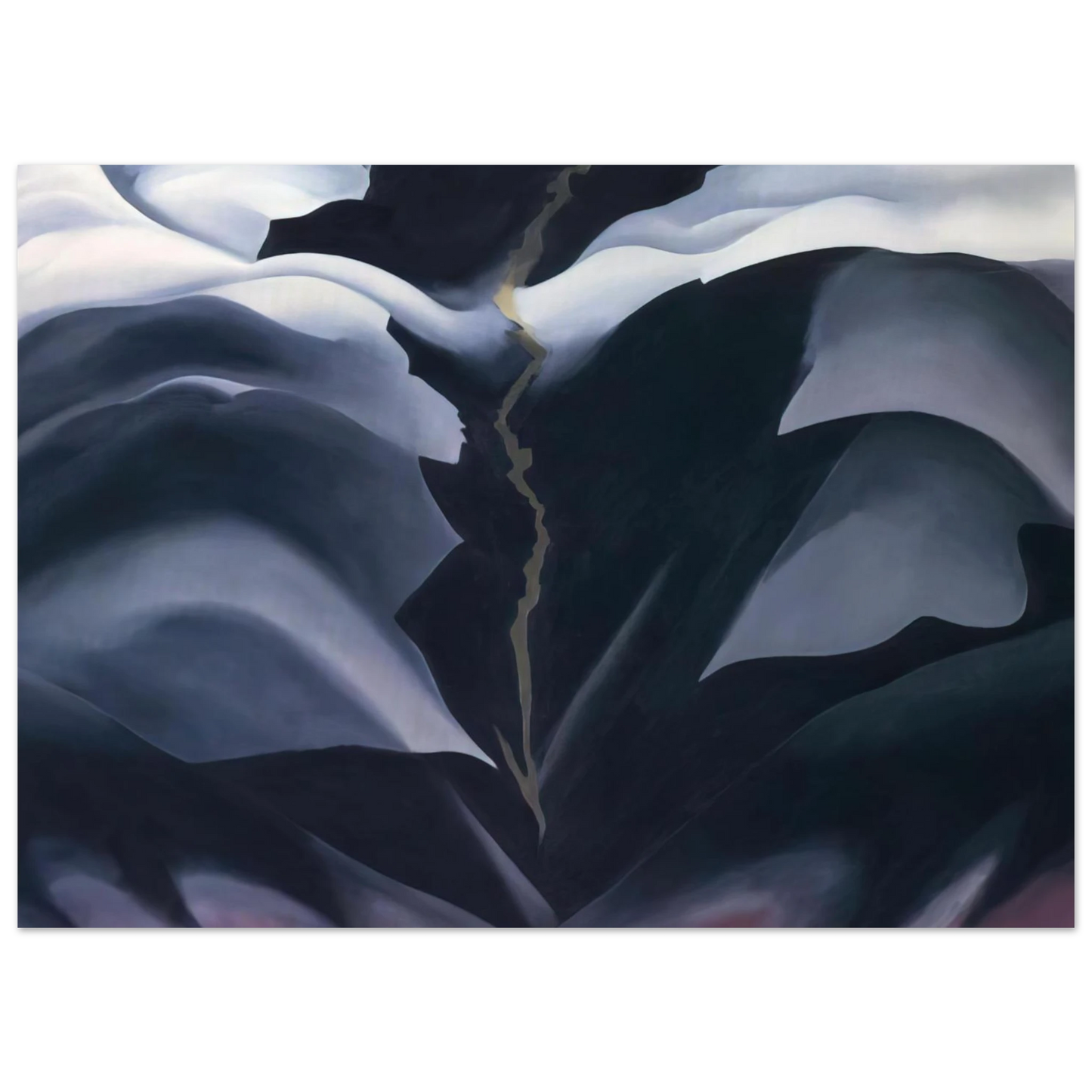
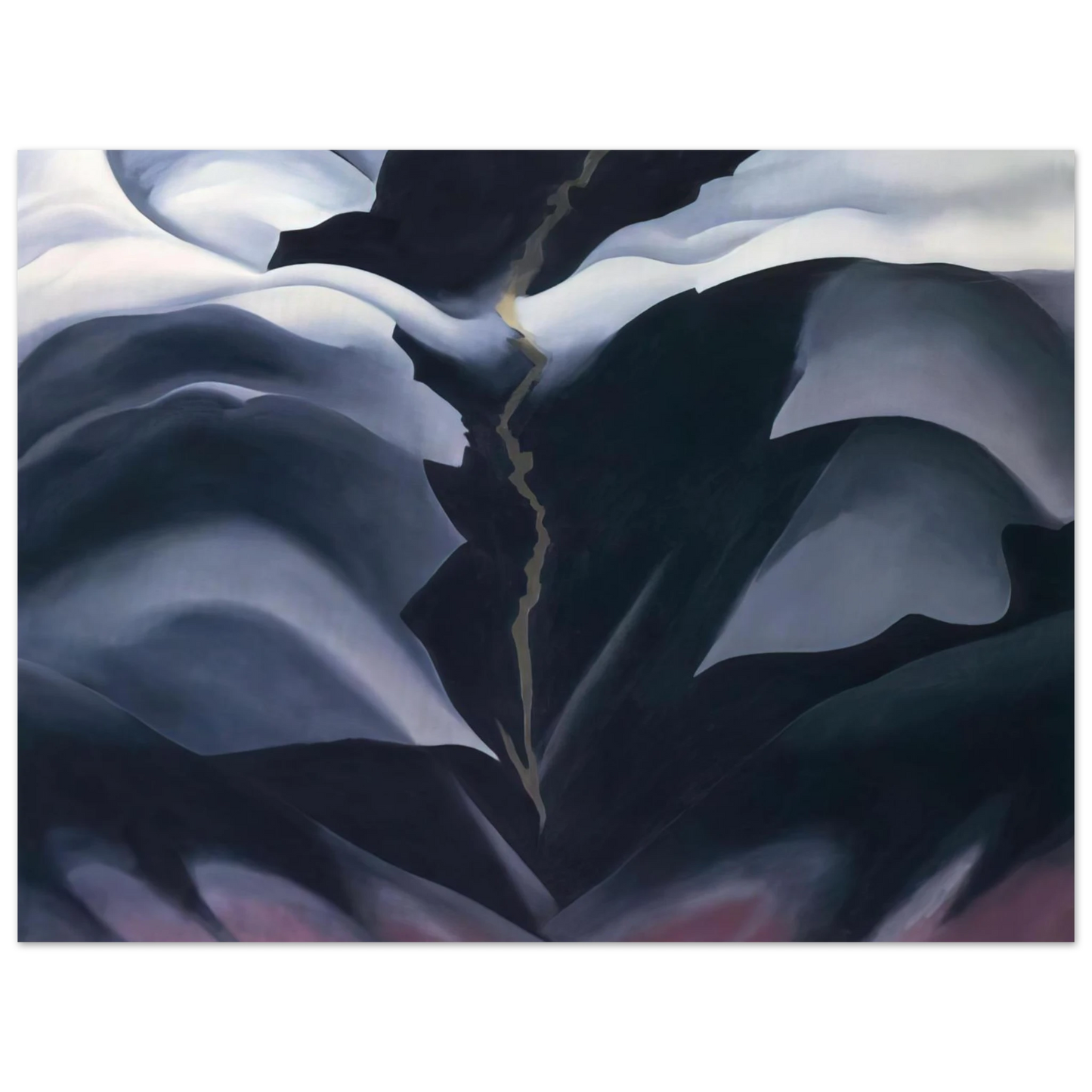
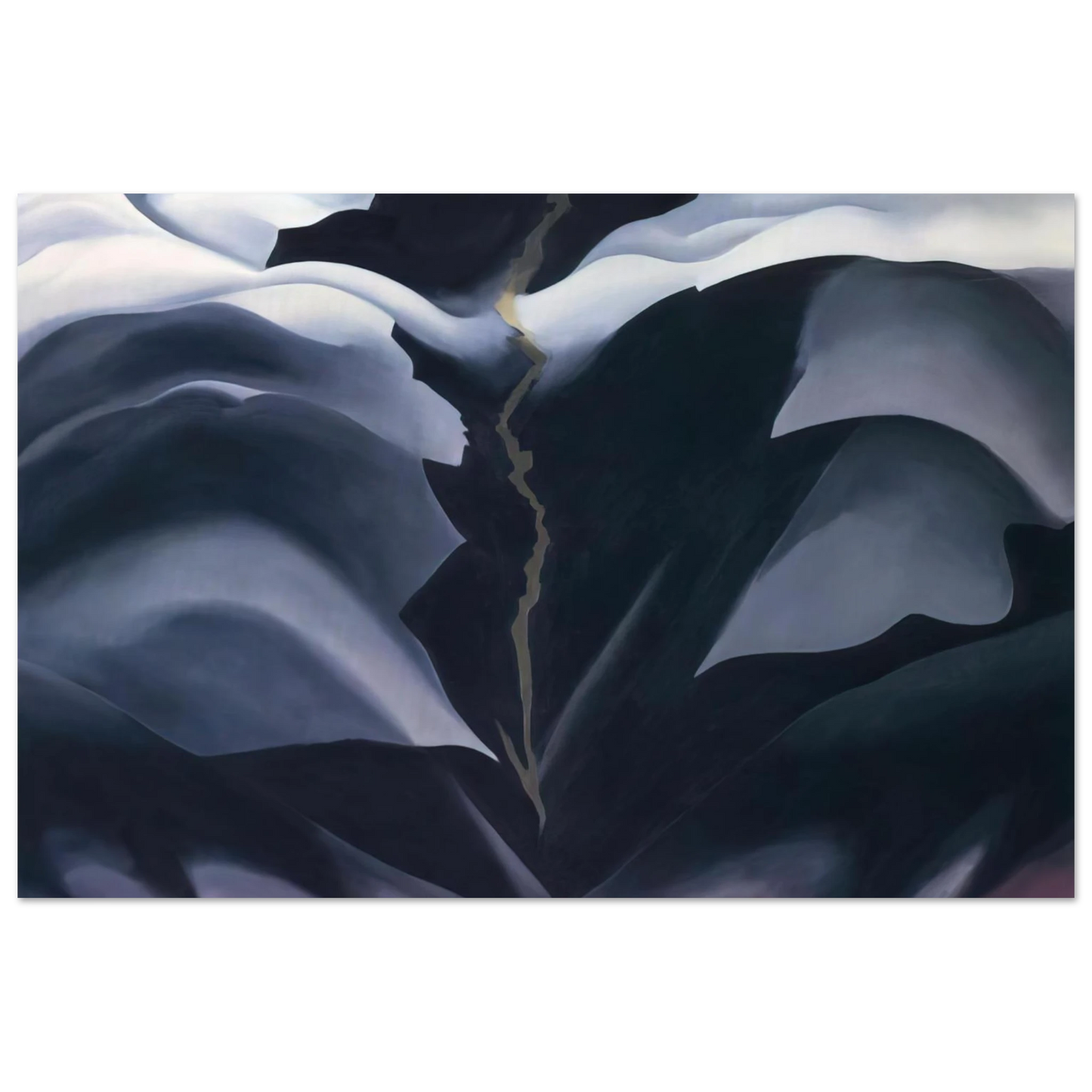
Immergiti nella bellezza austera e monumentale del Sudovest americano con questa stampa d'arte di qualità museale di "Black Place II"di Georgia O'Keeffe. Questa riproduzione archivistica cattura ogni sfumatura della visione iconica di O'Keeffe, dove colline drammatiche, dai toni grigiastri, si ergono contro un cielo vasto e luminoso, evocando un senso profondo di solitudine e di eternità geologica.
Come figura di spicco dell'American Modernism, O'Keeffe ha pionieristicamente sviluppato un linguaggio visivo unico che ha trasformato i paesaggi in forme astratte e sensuali. "Black Place II" incarna la sua maestria nelle forme semplificate e nelle gradazioni tonali sottili, attirando lo spettatore nel dramma silenzioso del deserto del New Mexico. Questo pezzo non è solo una decorazione, ma un capolavoro che dà inizio a conversazioni, portando l'eleganza grezza della natura in qualsiasi ambiente.
RedKalion presenta quest'opera su carta esclusiva Master's Edition archivistica, garantendo una presentazione premium pronta per la galleria. Il bianco naturale e la finitura opaca migliorano la profondità dell'opera senza riflessi, mentre il peso sostanziale di 250 gsm (0,29 mm di spessore) offre una sensazione lussuosa e resistente. Realizzata con materiali certificati FSC e privi di acidi, questa stampa è progettata per resistere all'ingiallimento e durare per generazioni, diventando un cimelio sostenibile per collezionisti esigenti.
Eleva la tua casa o il tuo ufficio con un capolavoro archivistico che unisce la storia dell'arte all'eleganza contemporanea. Ogni stampa viene prodotta meticolosamente su richiesta, garantendo freschezza e qualità senza requisiti minimi di ordine.
Discover Unlimited Art Possibilities
At RedKalion, you can find virtually any artwork from any artist, available in a wide range of sizes to perfectly match your space.
If you didn’t find what you’re looking for, contact us at support@redkalion.com . We will source any artwork and produce it in any size and format you need, including art prints, posters, canvas, framed pieces, framed canvas, and more.
For dedicated art enthusiasts, we also offer handcrafted replicas of any artwork, carefully painted by highly skilled artists using traditional techniques.
For custom requests, contact us at support@redkalion.com .
Qual è il significato storico di "Black Place II" di Georgia O'Keeffe?
"Black Place II" è un'opera chiave del periodo del New Mexico di O'Keeffe, che mostra il suo approccio astratto al paesaggio che definisce il Modernismo Americano. Riflette la sua fascinazione per le forme geologiche aspre del Sudovest, fondendo realismo e profondità emotiva.
Quali dettagli rendono questa stampa d'arte di qualità museale?
Questa riproduzione utilizza carta archivistica Master's Edition con finitura opaca non patinata e tonalità bianca naturale per una texture autentica. È priva di acidi (pH superiore a 7) per prevenire ingiallimento, garantendo una vivacità duratura come le opere originali nelle gallerie.
Quali sono le specifiche della carta utilizzata per questo poster d'arte?
La carta ha un peso di 250 gsm (110 lb) e uno spessore di 0,29 mm (11,4 mils), offrendo una sensazione premium e resistente. È certificata FSC per sostenibilità e priva di acidi per una longevità archivistica, ideale per stampe d'arte di alta gamma.
Come viene prodotto e spedito questo poster di Georgia O'Keeffe?
Stampiamo e spediamo su richiesta senza ordini minimi, garantendo che ogni riproduzione di qualità museale sia fresca e maneggiata con cura. Questo riduce gli sprechi e assicura che riceviate un poster d'arte di qualità direttamente dal nostro studio.
Quanto durerà questa stampa d'arte archivistica senza sbiadire o danneggiarsi?
Realizzata con materiali privi di acidi e a pH bilanciato, questa stampa resiste all'ingiallimento e al degrado per decenni. Una corretta incorniciatura ed esposizione lontano dalla luce solare diretta ne preservano la qualità, rendendola un investimento duraturo per la vostra collezione.
Perché Georgia O'Keeffe scelse il "Black Place" come soggetto?
O'Keeffe fu attratta dal "Black Place" nel New Mexico per le sue colline drammatiche e quasi surreali di scisto nero, che descrisse come "un miglio di elefanti". Lo utilizzò per esplorare temi di isolamento, forma e il sublime nella natura.
Quali tecniche utilizzò O'Keeffe per creare gli effetti in "Black Place II"?
O'Keeffe impiegò forme semplificate e sfumature sottili di carbone e toni grigi per astrarre il paesaggio, enfatizzando la texture e la luce. La sua tecnica sfuma il confine tra rappresentazione e astrazione, potenziando l'impatto emotivo.