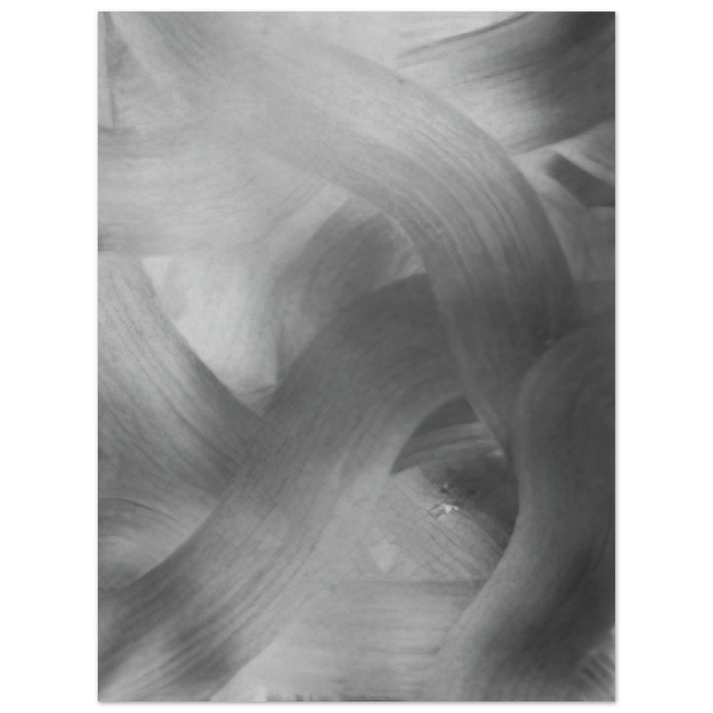
Gerhard Richter - STRISCE DI COLORE 1968 75x100 cm / 30x40 pollici Locandina d'Arte
Gerhard Richter - STRISCE DI COLORE 1968 75x100 cm / 30x40 pollici Locandina d'Arte
Impossibile caricare la disponibilità di ritiro
Gerhard Richter - FARBSCHLIEREN COLOUR STREAKS 1968: Una stampa d'arte di qualità museale
Scopri l'astrazione rivoluzionaria di Gerhard Richter in FARBSCHLIEREN COLOUR STREAKS 1968 nel tuo spazio. Quest'opera iconica dei primi anni della sua carriera cattura il suo approccio innovativo alla pittura, in cui trascinava una spatola sulla pittura umida per creare affascinanti striature fluide di colore. Il risultato è una composizione dinamica che sfuma i confini tra caso e controllo, evocando un senso di movimento, profondità e risonanza emotiva. Come opera fondamentale dell'arte del XX secolo, riflette l'esplorazione di Richter della percezione e della memoria, rendendola un'aggiunta senza tempo a qualsiasi collezione contemporanea.
RedKalion presenta questo capolavoro come una riproduzione di qualità museale, realizzata con cura per onorare la visione originale di Richter. La nostra stampa d'arte viene prodotta su carta archivistica Master's Edition, garantendo che ogni tonalità vibrante e ogni sottile texture siano preservate con una chiarezza senza pari. La finitura opaca non rivestita e la superficie bianca naturale (avorio) offrono un'esperienza lussuosa e tattile che ricorda il tocco dell'opera originale, mentre la composizione priva di acidi (pH superiore a 7) garantisce che resisterà all'ingiallimento per generazioni.
- Dimensioni: 75x100 cm / 30x40 pollici, perfetta per un'opera d'arte da parete di impatto.
- Qualità della carta: Peso di 250 gsm (110 lb) con uno spessore di 0,29 mm (11,4 mils) per una durata e un aspetto premium.
- Sostenibilità: Stampata su carta certificata FSC, a testimonianza del nostro impegno per un'arte eco-consapevole.
- Fulfillment: Nessun ordine minimo: ogni stampa viene realizzata e spedita su richiesta per garantire freschezza e qualità.
Dona eleganza alla tua casa o al tuo ufficio con un capolavoro archivistico che dura nel tempo, sostenuto dall'esperienza di RedKalion nella curatela di riproduzioni di livello mondiale. Questa stampa di Gerhard Richter non è solo un elemento decorativo; è un pezzo che dà da parlare, che incarna l'innovazione artistica e una bellezza duratura.
Discover Unlimited Art Possibilities
At RedKalion, you can find virtually any artwork from any artist, available in a wide range of sizes to perfectly match your space.
If you didn’t find what you’re looking for, contact us at support@redkalion.com . We will source any artwork and produce it in any size and format you need, including art prints, posters, canvas, framed pieces, framed canvas, and more.
For dedicated art enthusiasts, we also offer handcrafted replicas of any artwork, carefully painted by highly skilled artists using traditional techniques.
For custom requests, contact us at support@redkalion.com .
Qual è il significato storico di FARBSCHLIEREN COLOUR STREAKS 1968 di Gerhard Richter?
Questa opera segna un momento chiave nel primo periodo astratto di Richter, mettendo in mostra la sua tecnica con la spatola per creare striature di colore fluide che esplorano il caso, la percezione e la profondità emotiva nell'arte del dopoguerra.
In che modo la tecnica della spatola in quest'opera influisce sull'impatto visivo?
L'uso della spatola da parte di Richter, trascinata sulla pittura bagnata, produce striature dinamiche e stratificate che fondono i colori in modo organico, creando un senso di movimento e complessità unico nel suo stile astratto.
Quali sono le specifiche della carta utilizzata per questa stampa d'arte?
È stampata su carta Master's Edition archivistica: opaca, non patinata, bianco naturale (avorio), grammatura 250 gsm (110 lb), spessore 0,29 mm (11,4 mils), priva di acidi (pH superiore a 7) e certificata FSC per una longevità di qualità museale.
Come viene spedita questa stampa e ci sono requisiti minimi d'ordine?
Nessun ordine minimo: ogni stampa di Gerhard Richter viene prodotta e spedita su richiesta per garantire freschezza, con imballaggio accurato per la consegna sicura della vostra riproduzione archivistica.
Questa stampa archivistica resisterà all'ingiallimento nel tempo?
Sì, la carta priva di acidi (pH superiore a 7) previene l'ingiallimento, garantendo che il vostro poster d'arte di Richter mantenga i colori vivaci per generazioni come investimento durevole.
Cosa rende questa riproduzione di qualità museale rispetto ai poster standard?
Utilizza materiali archivistici premium come carta priva di acidi e certificata FSC con una finitura opaca lussuosa, catturando ogni dettaglio dell'originale di Richter per un'autentica esperienza d'arte raffinata.
Questa stampa è adatta per l'incorniciatura e come si adatta alle dimensioni dei telai standard?
Con dimensioni 75x100 cm (30x40 pollici), è ideale per l'incorniciatura; la carta bianco naturale e la finitura opaca si abbinano alla maggior parte dei telai, valorizzandone il ruolo di opera d'arte da parete di impatto.