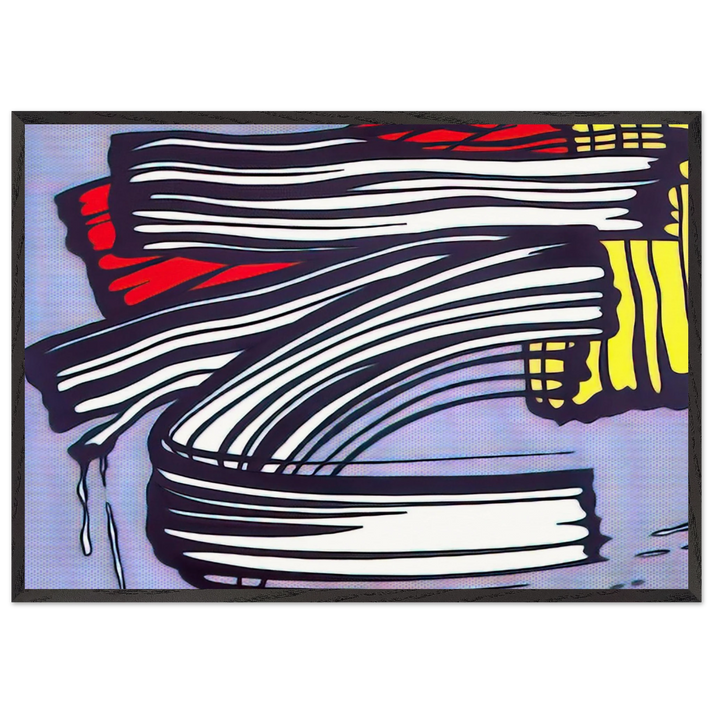
LITTLE BIG PAINTING 1965 - Roy Lichtenstein 70x100 cm / 28x40 inches Stampa d'Arte Incorniciata – Cornice in Legno Nero
LITTLE BIG PAINTING 1965 - Roy Lichtenstein 70x100 cm / 28x40 inches Stampa d'Arte Incorniciata – Cornice in Legno Nero
Impossibile caricare la disponibilità di ritiro
LITTLE BIG PAINTING 1965 - Roy Lichtenstein
Presentazione di una stampa d'arte incorniciata di qualità museale dell'iconico dipinto di Roy Lichtenstein "Little Big Painting" (1965), un'opera fondamentale del movimento Pop Art che fonde magistralmente l'estetica dei fumetti con la raffinatezza dell'arte raffinata. Questo pezzo cattura i punti Ben-Day e i contorni audaci caratteristici di Lichtenstein, trasformando immagini banali in un potente commento sulla cultura di massa e dei consumi. Misura 70x100 cm / 28x40 pollici, questa riproduzione è realizzata su carta archivistica premium e presentata elegantemente in una cornice in legno nero, pronta per elevare qualsiasi spazio contemporaneo con la sua vibrante presenza che invita alla riflessione.
Significato Storico Artistico
Realizzato nel 1965, "Little Big Painting" esemplifica la tecnica innovativa di Lichtenstein di appropriarsi di pannelli di fumetti per sfidare le nozioni tradizionali di arte elevata. Il titolo stesso gioca con la scala e l'ironia, poiché l'opera ingrandisce una scena apparentemente banale in una dichiarazione monumentale. L'uso da parte di Lichtenstein di metodi di riproduzione meccanica, come stencil e punti Ben-Day, non solo critica l'originalità artistica ma riflette anche la fascinazione dell'epoca per la tecnologia e la commercializzazione. Questa stampa ti permette di possedere un pezzo di storia dell'arte che continua a influenzare il design moderno e la cultura visiva.
Specifiche Fisiche Premium
RedKalion garantisce che ogni dettaglio rispetti gli standard archivistici per longevità e impatto visivo. Questa stampa d'arte incorniciata presenta:
- Cornice: Una cornice in legno di quercia e frassino di provenienza responsabile, spessa e larga 20 mm (0,79"), che offre una presenza sostanziale degna di una galleria, superiore alle cornici classiche da 14 mm.
- Carta: Stampata su carta opaca naturale da 250 g/m² (110 lb), non rivestita, bianco naturale con uno spessore di 0,29 mm (11,4 mil), ideale per riproduzioni d'arte che resistono allo sbiadimento.
- Protezione: Vetro acrilico infrangibile protegge la stampa dai danni mantenendo la chiarezza.
- Sostenibilità: Realizzata con materiali certificati FSC o equivalenti, a supporto di una collezione d'arte eco-consapevole.
- Praticità: Include un kit di montaggio, pronto per essere appeso direttamente al muro al momento dell'arrivo.
Eleva la tua casa o il tuo ufficio con questo capolavoro archivistico di RedKalion, dove l'expertise nella storia dell'arte incontra una qualità ineguagliabile nelle riproduzioni. Affidati alla nostra curatela per portare un'opera senza tempo del Pop Art nella tua vita quotidiana.
Discover Unlimited Art Possibilities
At RedKalion, you can find virtually any artwork from any artist, available in a wide range of sizes to perfectly match your space.
If you didn’t find what you’re looking for, contact us at support@redkalion.com . We will source any artwork and produce it in any size and format you need, including art prints, posters, canvas, framed pieces, framed canvas, and more.
For dedicated art enthusiasts, we also offer handcrafted replicas of any artwork, carefully painted by highly skilled artists using traditional techniques.
For custom requests, contact us at support@redkalion.com .
Quali sono le dimensioni di questa stampa d'arte incorniciata di Roy Lichtenstein?
La stampa misura 70x100 cm (28x40 pollici) ed è incorniciata in una cornice nera in legno con uno spessore di 20 mm (0,79") che conferisce un aspetto da galleria per la tua esposizione di arte raffinata.
Che tipo di carta viene utilizzata per questa riproduzione di qualità museale?
Utilizziamo carta patinata opaca da 250 gsm (110 lb), non rivestita, bianca naturale con uno spessore di 0,29 mm (11,4 mil), ideale per stampe d'arte raffinate che garantiscono durata e colori vibranti.
Questa stampa incorniciata è pronta per essere appesa al muro?
Sì, include un kit di montaggio ed è pronta per essere appesa direttamente al muro, rendendo l'installazione semplice per la tua decorazione di casa o ufficio.
Quanto è resistente la cornice e la protezione di questa stampa d'arte?
La cornice è realizzata in legno di quercia e frassino di provenienza responsabile e presenta un vetro acrilico infrangibile per proteggere la stampa dai danni, garantendo che il tuo investimento duri per anni.
La carta utilizzata per questa stampa d'archivio è sostenibile?
Sì, utilizziamo materiali certificati FSC o equivalenti, offrendo un'opzione ecologica per la tua collezione d'arte raffinata senza compromettere la qualità.
Qual è il significato storico di "Little Big Painting" di Roy Lichtenstein?
Realizzata nel 1965, quest'opera è un esempio chiave della Pop Art, che utilizza punti Ben-Day e immagini ispirate ai fumetti per criticare i mass media ed elevare scene quotidiane a opere d'arte, riflettendo le tecniche innovative di Lichtenstein.
In che modo la tecnica di Lichtenstein in quest'opera influisce sull'impatto visivo?
Lichtenstein ha impiegato stencil e punti Ben-Day per simulare la stampa meccanica, creando uno stile grafico audace che sfida i metodi tradizionali della pittura e aggiunge un effetto dinamico e testurizzato alla composizione.