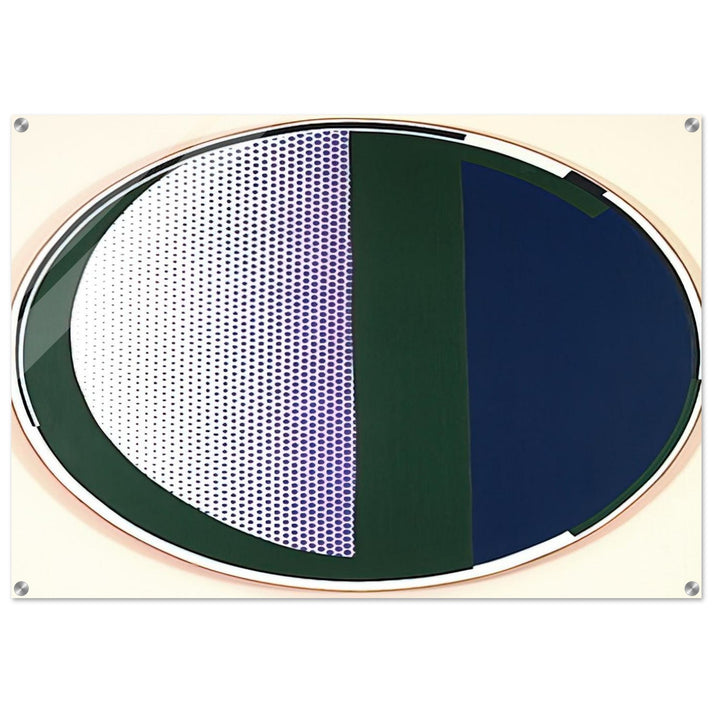


MIRROR 1972 - Roy Lichtenstein Stampa Acrilica - 70x100 cm / 28x40″ pollici | Opere d'Arte di Roy Lichtenstein | Stampe di Roy Lichtenstein
MIRROR 1972 - Roy Lichtenstein Stampa Acrilica - 70x100 cm / 28x40″ pollici | Opere d'Arte di Roy Lichtenstein | Stampe di Roy Lichtenstein
Impossibile caricare la disponibilità di ritiro
Mirror 1972 di Roy Lichtenstein: Un'icona della Pop Art
Eleva il tuo spazio con "Mirror 1972" di Roy Lichtenstein, un'opera quintessenziale del movimento Pop Art che ha ridefinito l'estetica moderna. Questo replica di qualità museale cattura i celebri punti Ben-Day e lo stile grafico audace dell'artista, trasformando un oggetto quotidiano in un commento sulla cultura consumistica e sulla percezione. Misurando 70x100 cm (28x40 pollici), questa stampa d'arte è riprodotta meticolosamente su acrilico da 4 mm, garantendo colori vivaci e una finitura elegante e resistente che resiste allo sbiadimento per generazioni.
Come leader nelle riproduzioni di livello archivistico, RedKalion presenta quest'opera con angoli tagliati dritti per un tocco contemporaneo, mentre gli sfondi trasparenti predefiniti sono bianchi per una visualizzazione ottimale. Ogni pezzo include un kit di montaggio professionale con accessori, viti e fori preforati (14 mm dal bordo, diametro 8 mm) per un'installazione senza sforzo. Scopri come la tecnica innovativa di Lichtenstein—ispirata ai fumetti e alla pubblicità—abbia sfidato le norme artistiche tradizionali, rendendo "Mirror 1972" un'aggiunta senza tempo a qualsiasi collezione.
- Materiale: Acrilico da 4 mm (0,15") per qualità vibrante e resistente allo sbiadimento.
- Design: Angoli tagliati dritti; sfondo bianco predefinito.
- Kit di montaggio: Include accessori, viti e fori preforati (14 mm dal bordo, diametro 8 mm).
- Dimensioni: 70x100 cm / 28x40 pollici.
Affida a RedKalion la consegna di un capolavoro archivistico che unisce significato storico e artigianato premium, perfetto per appassionati d'arte e interior designer.


Discover Unlimited Art Possibilities
At RedKalion, you can find virtually any artwork from any artist, available in a wide range of sizes to perfectly match your space.
If you didn’t find what you’re looking for, contact us at support@redkalion.com . We will source any artwork and produce it in any size and format you need, including art prints, posters, canvas, framed pieces, framed canvas, and more.
For dedicated art enthusiasts, we also offer handcrafted replicas of any artwork, carefully painted by highly skilled artists using traditional techniques.
For custom requests, contact us at support@redkalion.com .
Qual è il significato storico di "Mirror 1972" di Roy Lichtenstein?
"Mirror 1972" è un'opera fondamentale della Pop Art di Roy Lichtenstein, che utilizza i punti Ben-Day e linee audaci per criticare la cultura consumistica e ridefinire gli oggetti quotidiani come stampe d'arte, riflettendo l'attenzione del movimento sui media di massa e sull'estetica commerciale.
In che modo il materiale acrilico da 4 mm migliora questa stampa d'arte?
L'acrilico da 4 mm offre una finitura elegante e vibrante per questa riproduzione di qualità museale, garantendo durabilità e resistenza allo sbiadimento che assicurano alla tua arte murale di Roy Lichtenstein di mantenere la sua brillantezza pop per anni.
Quali sono le dimensioni e i dettagli per l'installazione di quest'opera?
Questa opera misura 70x100 cm (28x40 pollici) e include un kit di installazione con accessori, viti e fori preforati a 14 mm dal bordo per un'installazione semplice delle tue stampe di Roy Lichtenstein.
Come fa RedKalion a garantire la qualità archivistica di questa riproduzione?
RedKalion utilizza materiali di alta qualità e tecniche di stampa precise per creare riproduzioni di grado archivistico, garantendo che la tua stampa acrilica di Roy Lichtenstein rimanga vibrante e durevole come un investimento duraturo.
Qual è il design e lo sfondo predefinito per quest'opera?
Con angoli tagliati dritti per un aspetto moderno, quest'opera ha uno sfondo bianco predefinito per una presentazione ottimale, che valorizza lo stile grafico di questa arte murale di Roy Lichtenstein.
Cosa ha ispirato Roy Lichtenstein nell'uso dei punti Ben-Day in quest'opera?
Lichtenstein ha preso in prestito i punti Ben-Day dai fumetti e dalla pubblicità per imitare la stampa meccanica, mettendo in discussione le tradizioni dell'arte fine e sottolineando il legame della Pop Art con i media di massa in opere come "Mirror 1972".
Come si inserisce "Mirror 1972" nei temi artistici più ampi di Lichtenstein?
Quest'opera esemplifica l'esplorazione di Lichtenstein della riflessione e della percezione, utilizzando gli specchi come simboli per mettere in discussione la realtà e il consumismo, in linea con il suo focus della Pop Art su oggetti banali trasformati in stampe iconiche.