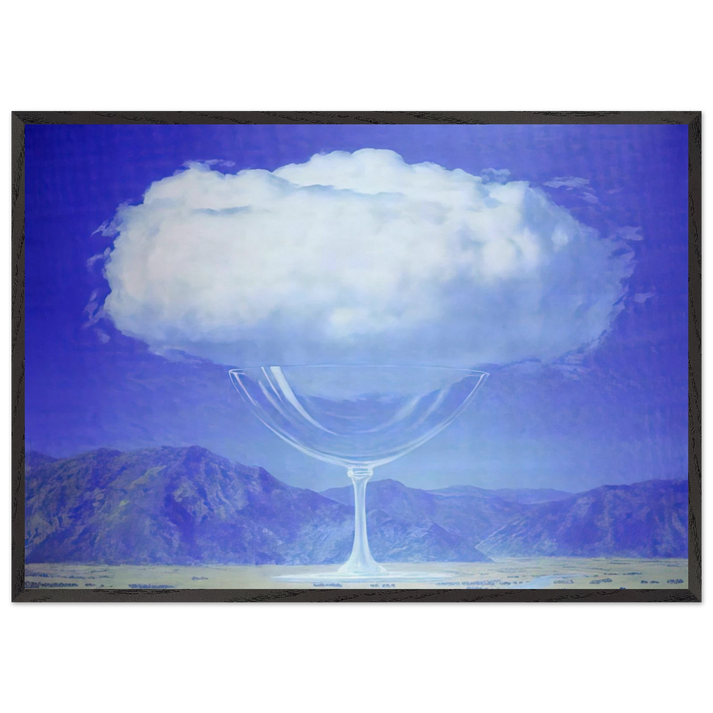
LE CORDE DEL CUORE 1960 - René Magritte 70x100 cm / 28x40 pollici – Stampa d'arte incorniciata – Cornice in legno nero
LE CORDE DEL CUORE 1960 - René Magritte 70x100 cm / 28x40 pollici – Stampa d'arte incorniciata – Cornice in legno nero
Impossibile caricare la disponibilità di ritiro
The Heartstrings (1960) di René Magritte
Immergiti nel genio surrealista di René Magritte con questa stampa d'arte incorniciata di qualità museale di The Heartstrings (1960). Quest'opera iconica, creata durante la fase tarda della carriera di Magritte, esemplifica la sua maestria nel paradosso visivo e nel mistero poetico. Il dipinto raffigura un cuore sospeso da delicate corde contro uno sfondo spoglio, invitando a riflettere sui temi dell'amore, della vulnerabilità e delle forze invisibili che ci legano. Come riproduzione di pregio di RedKalion, quest'opera cattura ogni sfumatura della precisa pennellata e della composizione enigmatica di Magritte, offrendo un capolavoro archivistico che perdura.
Questa stampa d'arte raffinata è presentata in una cornice nera sofisticata in legno, realizzata con legno di quercia e frassino di provenienza responsabile. La cornice misura 20 mm (0,79") di spessore e larghezza, offrendo una presenza moderna e audace che accentua l'impatto surrealista dell'opera. Arriva pronta da appendere con un kit di montaggio incluso, permettendoti di elevare immediatamente il tuo spazio. La stampa stessa è prodotta su carta museale di qualità archivistica da 250 gsm (110 lb), opaca, non patinata, bianca naturale certificata FSC per la sostenibilità, con uno spessore di 0,29 mm (11,4 mils) ideale per l'arte raffinata. Il plexiglass infrangibile garantisce una protezione duratura mantenendo la chiarezza.
RedKalion seleziona solo le riproduzioni di altissima qualità, unendo competenza storico-artistica e materiali premium. Questa stampa d'arte incorniciata di The Heartstrings di René Magritte è più di una decorazione; è un pezzo da conversazione che porta il mistero del surrealismo nella tua casa o ufficio. Scopri l'attrattiva duratura della visione di Magritte con una riproduzione di grado archivistico affidabile, progettata per ispirare per generazioni.
Discover Unlimited Art Possibilities
At RedKalion, you can find virtually any artwork from any artist, available in a wide range of sizes to perfectly match your space.
If you didn’t find what you’re looking for, contact us at support@redkalion.com . We will source any artwork and produce it in any size and format you need, including art prints, posters, canvas, framed pieces, framed canvas, and more.
For dedicated art enthusiasts, we also offer handcrafted replicas of any artwork, carefully painted by highly skilled artists using traditional techniques.
For custom requests, contact us at support@redkalion.com .
Di cosa tratta l'opera "The Heartstrings (1960)" di René Magritte?
"The Heartstrings" è un dipinto surrealista di René Magritte del 1960, che rappresenta un cuore sospeso da fili. Esplora temi come l'amore, la vulnerabilità e i legami invisibili, mostrando l'uso caratteristico di Magritte di paradossi visivi e mistero poetico nell'arte.
Quali sono le specifiche della carta utilizzata per questa stampa di qualità museale?
La stampa utilizza carta naturale bianca opaca da 250 gsm (110 lb), non rivestita, con uno spessore di 0,29 mm (11,4 mils). È certificata FSC per la sostenibilità, ideale per riproduzioni d'arte che durano nel tempo.
Questa stampa d'arte incorniciata è pronta per essere appesa al muro?
Sì, questa stampa d'arte incorniciata include un kit di montaggio ed è pronta per essere appesa direttamente al muro, rendendo immediato l'allestimento della tua riproduzione di René Magritte.
Quali materiali vengono utilizzati nella cornice nera in legno?
La cornice è realizzata in legno di quercia e frassino provenienti da fonti responsabili, con uno spessore e larghezza di 20 mm (0,79"), più ampia dei classici telai da 14 mm, per un aspetto moderno e audace nell'arredamento.
Come viene protetta la stampa in questa opera d'arte incorniciata?
La stampa è protetta da un vetro acrilico infrangibile, che garantisce durata e chiarezza, preservando al contempo questa riproduzione di qualità museale dell'opera di Magritte.
A quale periodo della carriera di René Magritte appartiene "The Heartstrings"?
"The Heartstrings" è stato creato nel 1960, durante la fase tarda della carriera di Magritte, un periodo in cui ha raffinato le sue tecniche surrealiste e ha continuato a esplorare temi di mistero ed emozione nella storia dell'arte.
Perché in questo dipinto di Magritte il cuore è raffigurato con dei fili?
Magritte utilizza i fili per simboleggiare i legami invisibili dell'emozione e della connessione, aggiungendo un ulteriore strato di intrigo surrealista al motivo del cuore, comune nelle sue opere che sfidano la percezione.