Discover Unlimited Art Possibilities
At RedKalion, you can find virtually any artwork from any artist, available in a wide range of sizes to perfectly match your space.
If you didn’t find what you’re looking for, contact us at support@redkalion.com . We will source any artwork and produce it in any size and format you need, including art prints, posters, canvas, framed pieces, framed canvas, and more.
For dedicated art enthusiasts, we also offer handcrafted replicas of any artwork, carefully painted by highly skilled artists using traditional techniques.
For custom requests, contact us at support@redkalion.com .
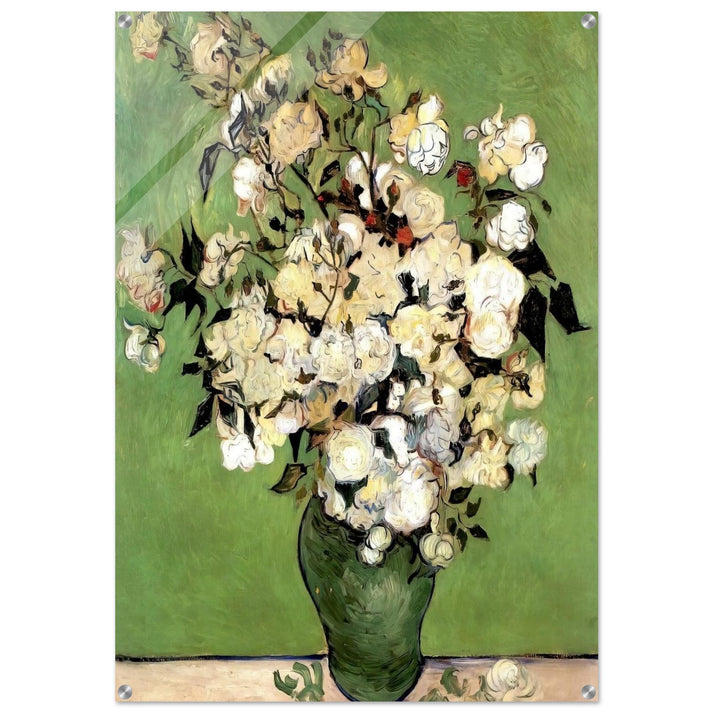
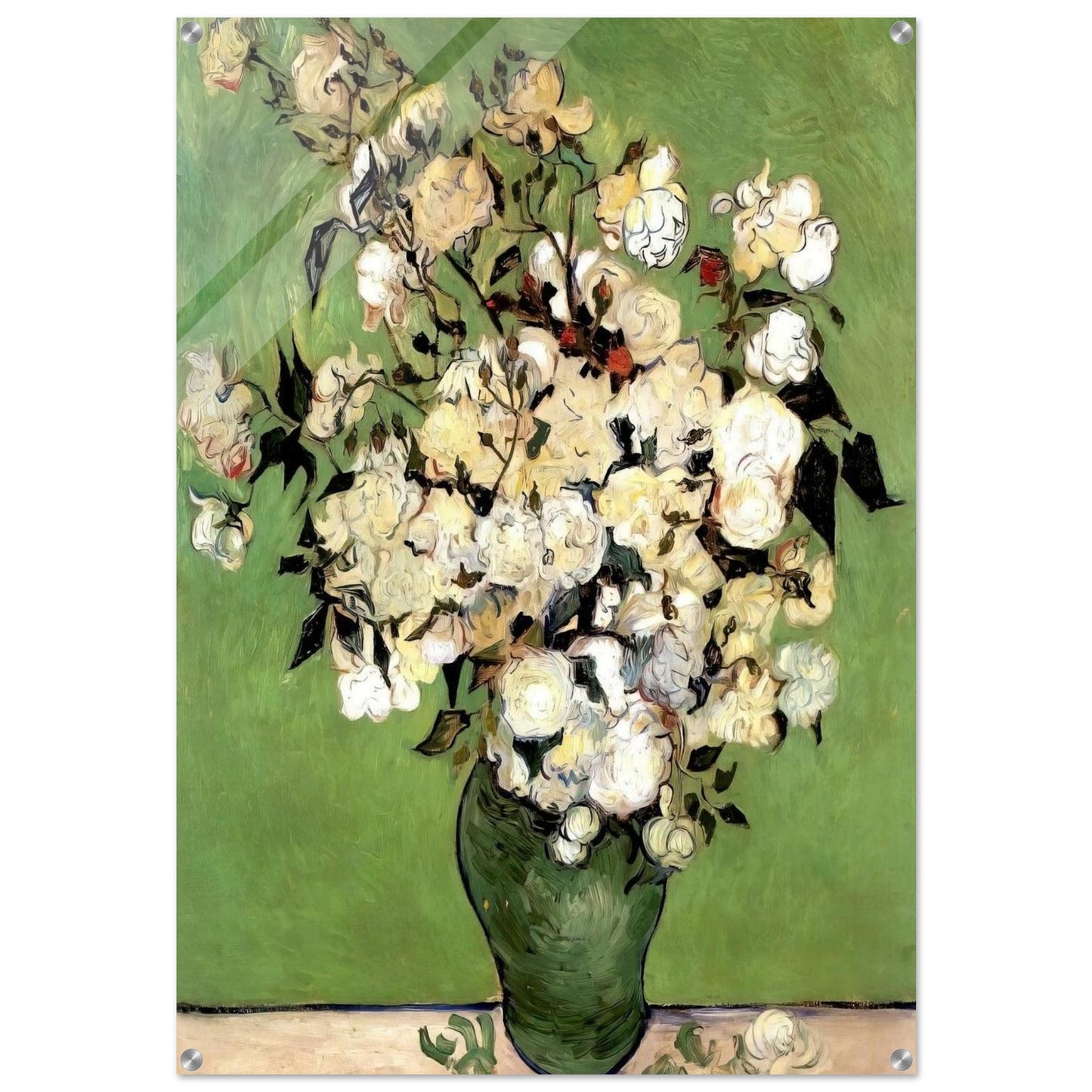
What material is used for the A Vase of Roses print?
We use premium 4mm (0.15") acrylic, providing a sleek, vibrant, and durable finish that enhances the depth of Van Gogh’s brushwork with museum-quality clarity.
Does the print come ready to hang?
Yes, each 70x100 cm print includes a professional hanging kit with screws and hardware. The panel features pre-drilled holes at each corner (14mm from the edge) for easy installation.
Is the acrylic print durable and archival-grade?
Absolutely. Our acrylic prints are designed for longevity, utilizing high-quality materials that resist yellowing and preserve the vibrant colors of the fine art reproduction for decades.
How is the artwork shipped to ensure it arrives safely?
We use specialized, high-impact packaging designed for large-format acrylic. Your order is fully tracked and insured to guarantee it arrives at your door in pristine condition.
What are the exact dimensions and corner style of the print?
The print measures 70x100 cm (approximately 28x40 inches) and features modern, straight-cut corners for a clean, contemporary aesthetic that suits any high-end interior.
When and where did Van Gogh paint A Vase of Roses?
Vincent van Gogh painted this piece in May 1890 at the asylum in Saint-Rémy-de-Provence, just before his departure for Auvers-sur-Oise, representing his fascination with the vitality of spring.
Why were Van Gogh's roses originally pink instead of white?
Van Gogh used a light-sensitive red lake pigment that has faded over time in the original painting. Our reproduction captures the current, majestic white and green palette that art historians now celebrate.