商品情報にスキップ
1 1

RedKalion

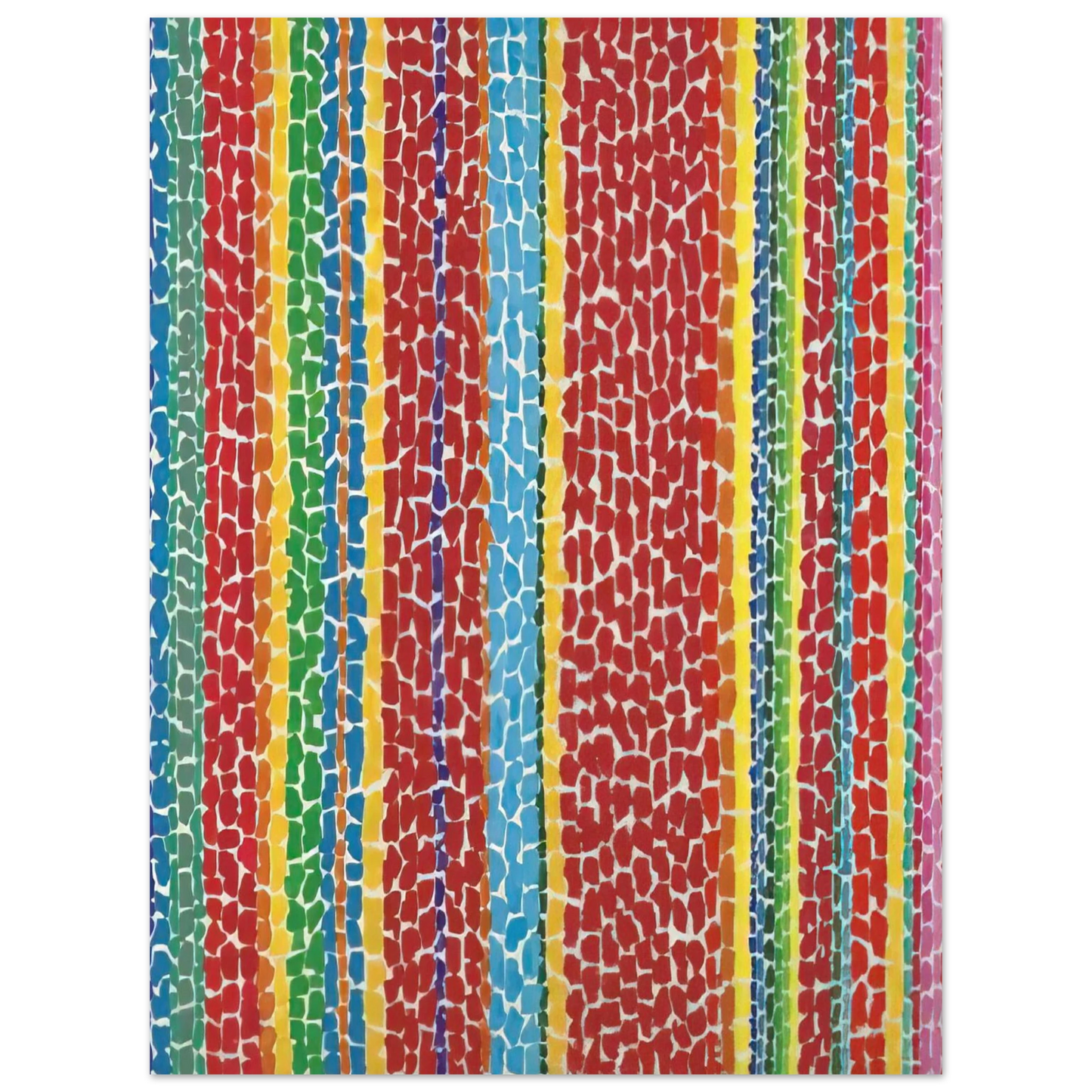
Alma Woodsey Thomas - RED VIOLET NURSERY VIEWED FROM ABOVE 1970 75x100 cm / 30x40inches Fine Art Poster

Alma Woodsey Thomas - RED VIOLET NURSERY VIEWED FROM ABOVE 1970 75x100 cm / 30x40inches Fine Art Poster

通常価格 $207.99 USD
通常価格 $311.00 USD セール価格 $207.99 USD
セール 売り切れ
数量

Elevate Your Collection with Alma Woodsey Thomas’s Masterpiece

Experience the rhythmic vibrancy of Alma Woodsey Thomas with this museum-quality reproduction of Red Violet Nursery Viewed from Above (1970). As a central figure of the Washington Color School, Thomas revolutionized abstract expressionism through her unique 'Alma's Stripes'—rhythmic, mosaic-like dabs of color that evoke the movement of nature. This 1970 masterpiece reflects her fascination with aerial perspectives and the blossoming patterns of a nursery, translated into a sophisticated palette of deep reds and violets.

Uncompromising Print Quality and Materiality

At RedKalion, we believe fine art deserves a medium that matches its historical significance. This fine art print is produced on our Master's Edition archival paper. With a weight of 250 gsm (110 lb) and a thickness of 0.29 mm (11.4 mils), the paper offers a robust, luxurious feel that distinguishes it from standard posters. The matte, uncoated, natural white finish provides an off-white texture that perfectly captures the nuances of Thomas's brushwork without the interference of glare.

Archival Integrity and Sustainability

To ensure your investment endures for generations, this print is acid-free (pH above 7), preventing the yellowing and degradation commonly found in lower-quality reproductions. Furthermore, our commitment to the environment is reflected in our choice of FSC-certified paper, ensuring that your art acquisition supports responsible forest management. Each piece is printed and shipped on demand with the utmost care, ensuring a pristine arrival at your door.

  • Artist: Alma Woodsey Thomas
  • Title: Red Violet Nursery Viewed from Above (1970)
  • Paper: 250 gsm Museum-quality, acid-free
  • Finish: Matte, natural white (off-white)
  • Sustainability: FSC-certified materials
詳細を表示する
What makes the Red Violet Nursery Viewed from Above print museum-quality?

Our prints use Master's Edition archival paper (250 gsm), which offers a thickness and texture consistent with gallery standards. This ensures that every Alma Woodsey Thomas reproduction maintains the visual depth and integrity of the original 1970 work.

Is the paper used for this Alma Woodsey Thomas print sustainable?

Yes, we prioritize environmental responsibility. The paper used for this fine art poster is FSC-certified (Forest Stewardship Council), ensuring that the materials are sourced from responsibly managed forests that provide environmental, social, and economic benefits.

Will the colors of this fine art reproduction fade over time?

No. By using acid-free paper with a pH level above 7, we ensure the longevity of the print. This archival-grade material prevents yellowing and preserves the vibrant red and violet hues for decades to come.

How is the 75x100 cm / 30x40 inches poster shipped?

RedKalion prints and ships on demand to reduce waste. Your 75x100 cm poster is carefully packaged in protective, durable materials to ensure it arrives in perfect condition, ready for framing or display in your space.

Does this fine art print include a frame?

This product is a premium fine art print on 250 gsm museum-quality paper. It is delivered unframed, allowing you the flexibility to choose a frame that best complements your interior decor and the sophisticated aesthetic of Alma Woodsey Thomas.

What inspired Alma Woodsey Thomas to create Red Violet Nursery Viewed from Above?

Thomas was deeply inspired by nature and the 'Space Age.' This piece reflects her fascination with how gardens and nurseries appeared from an aerial perspective, using rhythmic color dabs to simulate the organic patterns of flowers seen from above.

How does the 1970 era influence this artwork?

Created in 1970, this work represents the height of Thomas's career within the Washington Color School. It showcases her transition toward a more structured yet fluid abstraction, influenced by the burgeoning environmental movement and satellite photography of the era.