
What makes the paper quality of this print 'museum-grade'?
We use Master's Edition 250 gsm paper. It is acid-free with a pH above 7, ensuring it will not yellow or degrade, meeting the strict standards required for museum archives and high-end gallery displays.
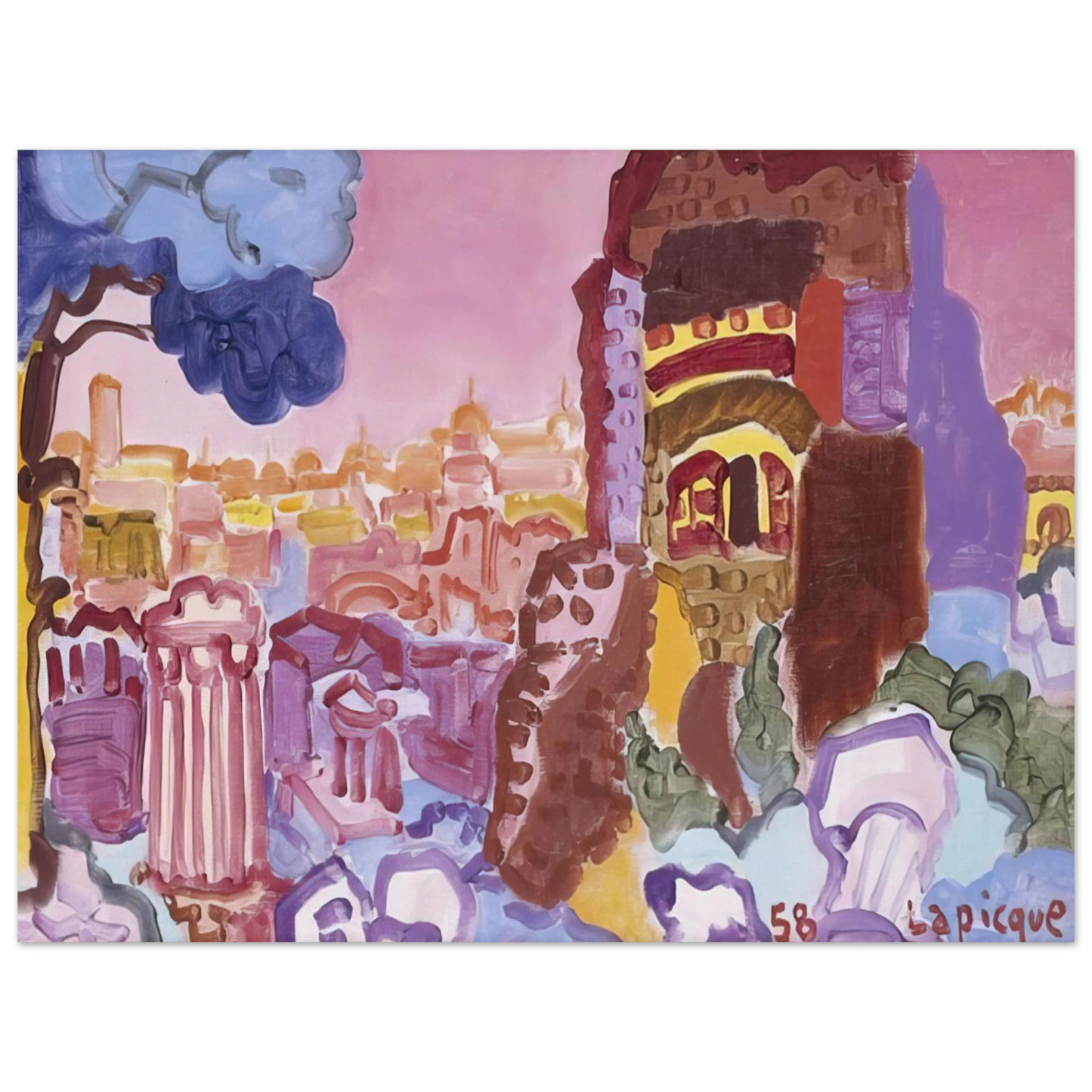
Is the texture of the 'Le Mont Palatin' print matte or glossy?
This fine art print features a luxurious matte, uncoated finish. This natural white (off-white) surface provides a sophisticated texture that prevents glare and emphasizes the depth of Charles Lapicque’s color palette.
How does RedKalion ensure the longevity of the artwork?
By utilizing archival-grade, acid-free paper and high-pigment printing techniques, our reproductions are designed to last for decades. The FSC-certified paper maintains structural integrity and color vibrancy without the risk of embrittlement.
What are the shipping and order requirements?
RedKalion offers on-demand printing with no minimum order requirements. Each piece is printed specifically for you and shipped in secure, protective packaging to ensure it arrives in pristine condition at your doorstep.
Is the paper used for this Lapicque print sustainable?
Yes, we prioritize environmental responsibility. All prints are produced on FSC-certified paper, ensuring that the materials are sourced from responsibly managed forests that provide environmental, social, and economic benefits.
What is the significance of the year 1958 for Charles Lapicque?
1958 was a pivotal year for Lapicque as he refined his 'color-space' theories. During this period, his depictions of Rome, such as Le Mont Palatin, gained international acclaim for their rhythmic and expressionistic interpretation of classical architecture.
What does the 250 gsm thickness mean for the print's durability?
A weight of 250 gsm (110 lb) indicates a heavy, premium thickness (0.29 mm). This makes the print substantial and resistant to tearing or creasing, providing a high-end feel compared to standard posters.