商品情報にスキップ
1 1

RedKalion

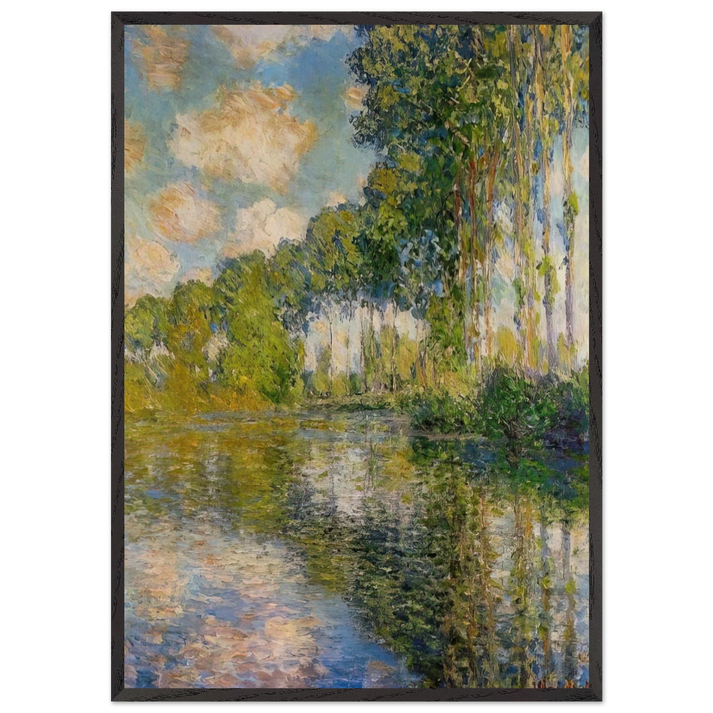
Poplars On The Banks Of The River Epte - claude monet 70x100 cm / 28x40 inches Framed Art Print – Black Wooden Frame

Poplars On The Banks Of The River Epte - claude monet 70x100 cm / 28x40 inches Framed Art Print – Black Wooden Frame

通常価格 $449.99 USD
通常価格 $999.99 USD セール価格 $449.99 USD
セール 売り切れ
数量

Poplars On The Banks Of The River Epte by Claude Monet

Immerse yourself in the serene beauty of Claude Monet's Poplars On The Banks Of The River Epte, a masterpiece from his iconic series capturing the fleeting effects of light on the French countryside. This museum-quality reproduction brings the Impressionist genius into your home, offering a timeless connection to art history.

Monet painted this scene in the early 1890s, repeatedly returning to the banks of the Epte River to study the poplar trees under changing atmospheric conditions. His innovative use of broken brushstrokes and a vibrant palette creates a sense of movement and luminosity, inviting viewers to experience nature's transient beauty. This work exemplifies his dedication to plein air painting, a hallmark of the Impressionist movement that revolutionized modern art.

At RedKalion, we curate only the finest archival-grade reproductions. This framed art print measures 70x100 cm (28x40 inches) and features a responsibly sourced black wooden frame made from oak and ash wood. The frame is 20mm (0.79") thick and wide, providing a substantial, gallery-worthy presence that enhances the artwork's impact. It arrives ready-to-hang with a hanging kit included, so you can elevate your space immediately.

The print itself is produced on premium 250 gsm (110 lb) matte, uncoated, natural white paper with a thickness of 0.29 mm (11.4 mils), ideal for fine art reproductions. We use FSC-certified sustainable materials to ensure environmental responsibility without compromising quality. For protection, shatterproof plexiglass safeguards the artwork, combining durability with a clear, glare-free view.

Elevate your decor with this Claude Monet fine art print, a piece that blends historical significance with modern craftsmanship. Trust RedKalion for premium reproductions that honor the artist's vision and endure for generations.

詳細を表示する

Discover Unlimited Art Possibilities

At RedKalion, you can find virtually any artwork from any artist, available in a wide range of sizes to perfectly match your space.

If you didn’t find what you’re looking for, contact us at support@redkalion.com . We will source any artwork and produce it in any size and format you need, including art prints, posters, canvas, framed pieces, framed canvas, and more.


For dedicated art enthusiasts, we also offer handcrafted replicas of any artwork, carefully painted by highly skilled artists using traditional techniques.

For custom requests, contact us at support@redkalion.com .

What are the dimensions of this framed Claude Monet print?

This framed art print measures 70x100 cm (28x40 inches), including the black wooden frame, making it a substantial piece perfect for living rooms, offices, or galleries.

What materials are used in the frame and paper?

The frame is made from responsibly sourced oak and ash wood, 20mm thick, and the print uses 250 gsm FSC-certified archival museum-quality paper with matte finishing for a premium look.

Is this print ready to hang?

Yes, it includes a hanging kit and is ready-to-hang directly on your wall, so you can enjoy your Claude Monet reproduction immediately after unboxing.

How is the artwork protected?

It features shatterproof plexiglass that protects the print from damage while providing a clear, glare-free view, ensuring long-lasting preservation.

What makes this a museum-quality reproduction?

We use 250 gsm archival paper with matte finishing and precise color matching to Monet's original, offering a fine art print that captures every brushstroke detail.

When did Monet paint Poplars On The Banks Of The River Epte?

Claude Monet created this work in the early 1890s as part of his series focusing on poplar trees along the Epte River in France, showcasing his Impressionist techniques.

Why did Monet choose poplar trees as a subject?

Monet was fascinated by how light and seasons transformed the poplars, using them to explore atmospheric effects and movement in nature through his innovative brushwork.