제품 정보로 건너뛰기
1 1

RedKalion

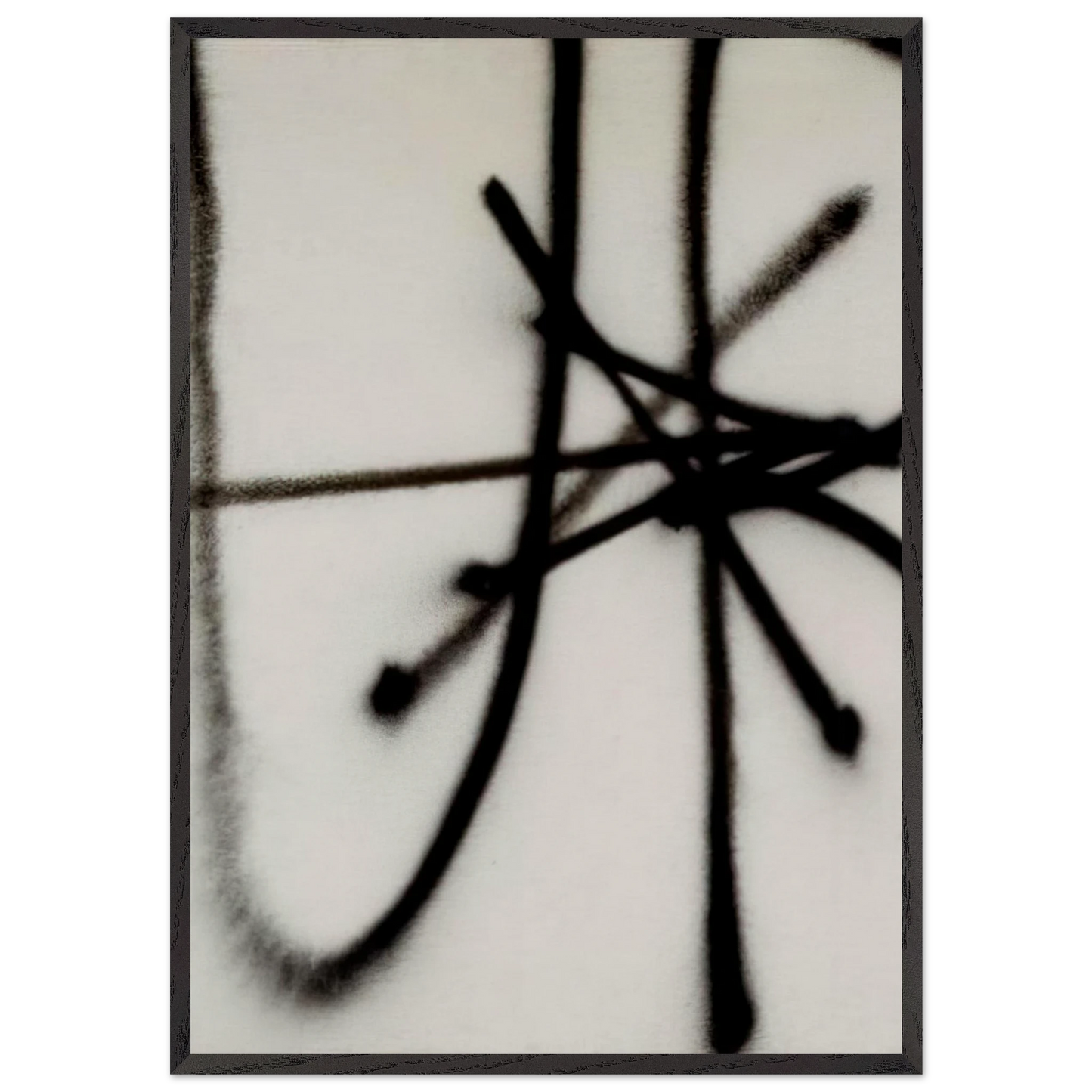
63-M-3 - 1963 - Martin Barre 70x100 cm / 28x40 inches Framed Art Print – Black Wooden Frame

63-M-3 - 1963 - Martin Barre 70x100 cm / 28x40 inches Framed Art Print – Black Wooden Frame

정가 $449.99 USD
정가 $999.99 USD 할인가 $449.99 USD
할인 품절
수량

Elevate Your Space with 63-M-3 (1963) by Martin Barré

Experience the radical minimalism of the mid-century French avant-garde with this museum-quality reproduction of Martin Barré’s 63-M-3. Created during a pivotal year in Barré’s career, this piece exemplifies his shift toward conceptual abstraction. By using aerosol spray to create ephemeral, linear gestures, Barré challenged the traditional boundaries of the canvas, making 1963 a landmark era for modern art. This fine art print captures the delicate tension between the ink and the expansive white space, offering a sophisticated focal point for any contemporary interior.

Archival Quality Meets Sustainable Craftsmanship

At RedKalion, we specialize in curating archival-grade masterpieces that endure. This Martin Barré 63-M-3 framed art print is produced on 250 gsm (110 lb) natural white paper. The heavy, uncoated matte finish ensures a glare-free viewing experience and reflects the authentic texture of the original work. Our commitment to excellence extends to the materials; we use FSC-certified oak and ash wood for our frames, finished in a sleek black that complements the minimalist aesthetic.

Meticulous Product Specifications

  • Frame Material: Responsibly sourced oak and ash wood with a premium black finish.
  • Frame Dimensions: A robust 20mm (0.79") profile for a more substantial, gallery-grade presence compared to standard frames.
  • Premium Paper: Archival museum-quality paper, 0.29 mm (11.4 mils) thick, designed for longevity.
  • Protection: Secured behind shatterproof plexiglass to maintain the integrity of the print for decades.
  • Ready-to-Hang: Delivered with a comprehensive hanging kit, allowing you to transform your wall immediately.

By choosing this archival masterpiece, you are investing in a piece of art history that has been reproduced with the highest technical standards. RedKalion ensures that every print serves as a definitive tribute to the artist’s original vision.

전체 세부 정보 보기
How is the Martin Barré 63-M-3 print shipped and packaged?

We ensure maximum protection by using secure, reinforced packaging. The 70x100 cm print arrives fully assembled in its 20mm black wooden frame, protected by shatterproof plexiglass and a specialized kit for immediate hanging upon delivery.

What are the specifications of the paper used for this fine art print?

This reproduction utilizes 250 gsm (110 lb) natural white, archival-grade paper. It features a matte, uncoated finish and a thickness of 0.29 mm (11.4 mils), meeting museum standards for texture and color accuracy.

What makes the RedKalion frame unique compared to others?

Our frames are crafted from responsibly sourced FSC-certified oak and ash. They feature a 20mm (0.79") thickness and width, providing a sturdier, more premium aesthetic than the common 14mm frames found elsewhere.

Is the 63-M-3 framed art print ready to hang?

Yes, each framed print comes ready-to-hang with all necessary hardware included. The 70x100 cm (28x40 inches) frame is designed for easy installation, allowing you to elevate your space instantly with this archival masterpiece.

How long will this museum-quality reproduction last?

Built for longevity, our prints use archival-quality paper and UV-resistant materials. The shatterproof plexiglass and FSC-certified wood ensure that your investment remains a beautiful part of your collection for generations without yellowing or degradation.

What is the significance of the title 63-M-3 in Martin Barré’s work?

The title refers to the year 1963 and the 'M' series, where Barré explored minimalist spray-paint techniques. It signifies a chronological and conceptual sequence that defined his contribution to French conceptual abstraction.

How did Martin Barré achieve the aesthetic seen in his 1963 works?

Barré utilized an aerosol spray can to move away from the traditional brushstroke. This technique allowed for a sense of speed and lightness, emphasizing the relationship between the mark and the void of the canvas.