

Discover Unlimited Art Possibilities
At RedKalion, you can find virtually any artwork from any artist, available in a wide range of sizes to perfectly match your space.
If you didn’t find what you’re looking for, contact us at support@redkalion.com . We will source any artwork and produce it in any size and format you need, including art prints, posters, canvas, framed pieces, framed canvas, and more.
For dedicated art enthusiasts, we also offer handcrafted replicas of any artwork, carefully painted by highly skilled artists using traditional techniques.
For custom requests, contact us at support@redkalion.com .
What makes the RedKalion acrylic print museum-quality?
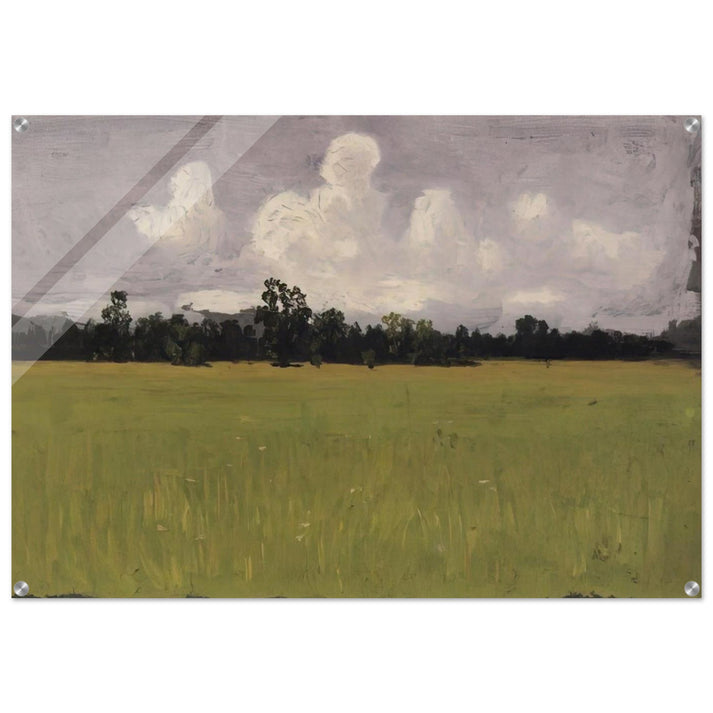
Our prints use 4mm high-grade acrylic and archival pigments, providing glass-like depth and vibrant colors. This process ensures your Arkhyp Kuindzhi reproduction maintains its brilliance and detail for decades, far exceeding standard posters.
How do I install my Arkhyp Kuindzhi acrylic wall art?
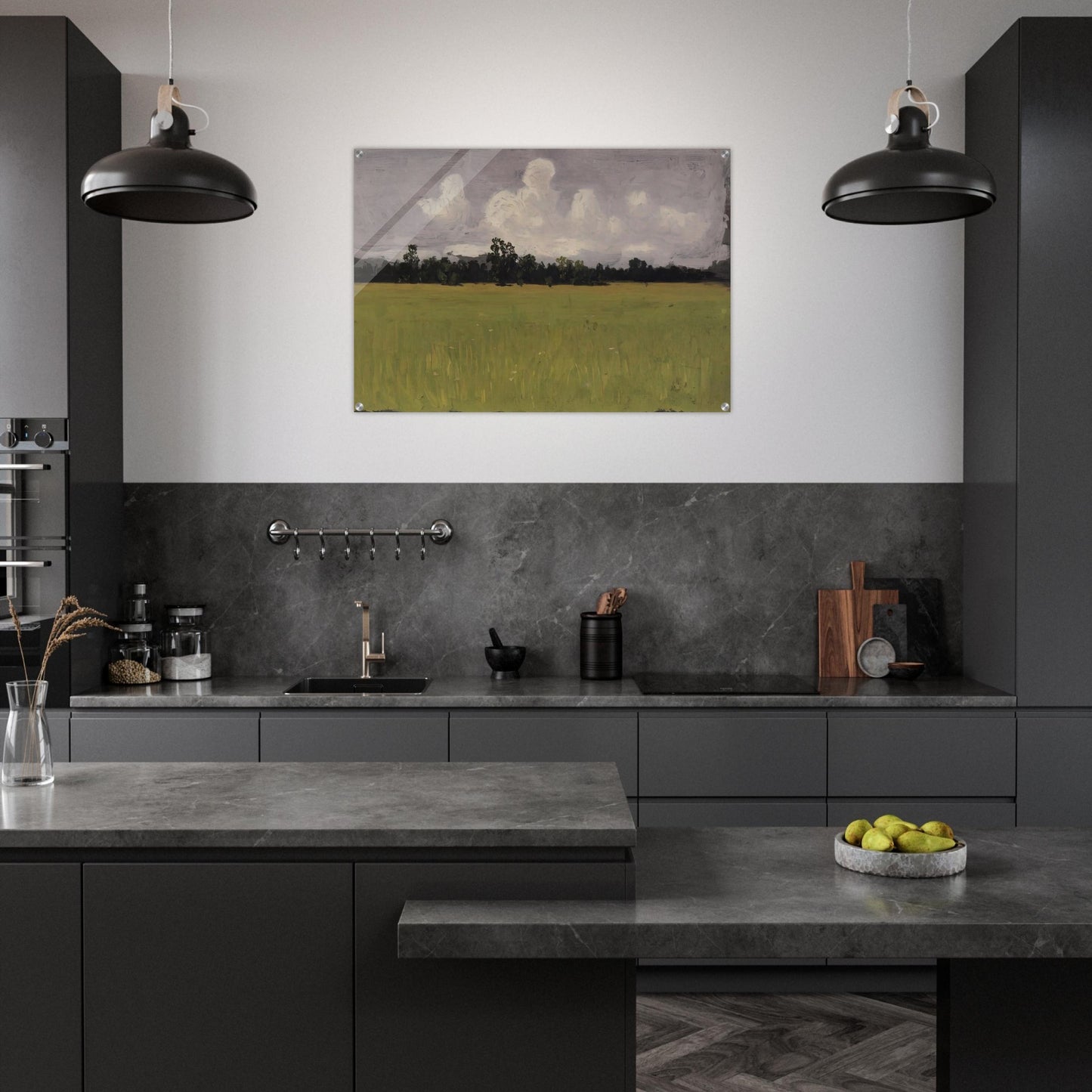
Each print arrives with a professional hanging kit, including screws and pre-drilled corner holes. The holes are positioned 14mm from the edges, making it simple to mount your masterpiece securely and elegantly.
Will the colors fade over time?
No. We use UV-resistant inks and archival-grade acrylic materials. This ensures your Arkhyp Kuindzhi print is protected from sunlight and environmental factors, preserving the artist's intended luminosity and color depth indefinitely.
How is the print packaged for shipping?
We prioritize the safety of your fine art print. Each acrylic piece is wrapped in protective layers and shipped in specialized, reinforced packaging to ensure it arrives at your door in pristine, gallery-ready condition.
What are the physical specifications of the acrylic?
The print features a 4mm (0.15") thickness with clean, straight-cut corners. Transparent areas default to a white background to optimize color presentation, and it includes 8mm diameter screw holes for the mounting hardware.
What was Arkhyp Kuindzhi’s technique for creating light?
Kuindzhi was known as the "Master of Light." He used thin layers of glaze and experimental pigment mixtures to create an illusion of internal radiance, making his landscapes appear as if they were backlit by the sun.
What does the steppe represent in Kuindzhi’s work?
For Kuindzhi, the steppe represented the infinite beauty of the natural world. In "Autumn. Steppe," he uses the vast horizon to evoke a sense of philosophical solitude and the quiet power of the changing seasons.