

RedKalion
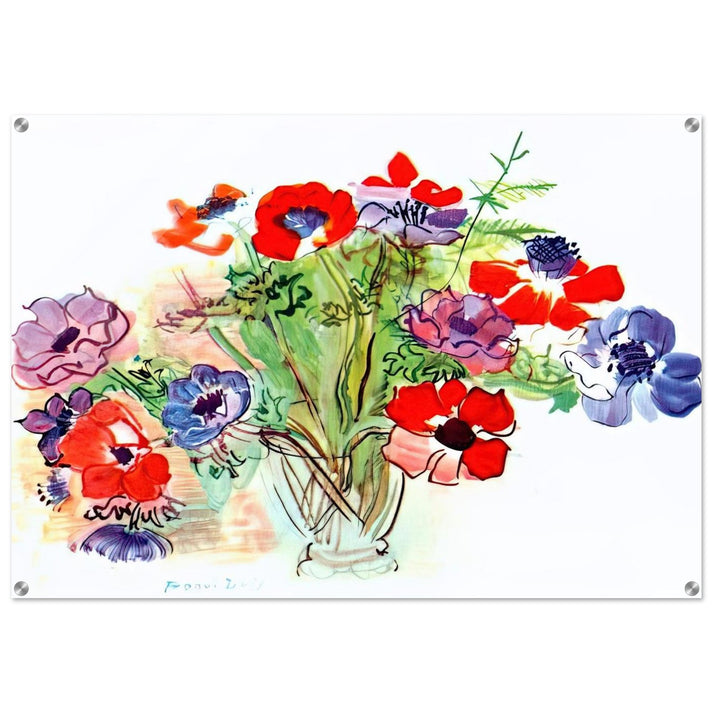
BOUQUET OF FLOWERS 1937 - Raoul Dufy Acrylic Print - 70x100 cm / 28x40″ inches
BOUQUET OF FLOWERS 1937 - Raoul Dufy Acrylic Print - 70x100 cm / 28x40″ inches
픽업 사용 가능 여부를 로드할 수 없습니다.
Elevate Your Space with Raoul Dufy’s Luminous 'Bouquet of Flowers 1937'
Experience the effervescent charm of Raoul Dufy with this museum-quality reproduction of Bouquet of Flowers (1937). At RedKalion, we specialize in curating archival-grade masterpieces that bridge the gap between historic artistry and contemporary interior design. This specific work, created during Dufy’s mature period, showcases his celebrated 'stenographic' style—a rhythmic interplay of calligraphic lines and vibrant, independent color washes that capture the very soul of the French Fauvist movement.
The 1937 composition is a masterclass in light and movement. Rather than binding color strictly to form, Dufy allowed his pigments to breathe, creating a sense of atmospheric brilliance. This fine art print transforms the transient beauty of a floral arrangement into a permanent statement of elegance and optimism.
The RedKalion Acrylic Standard
To honor the luminosity of Dufy’s palette, this artwork is presented on a premium 4mm (0.15") acrylic surface. This medium is specifically chosen for its ability to enhance color depth and provide a sleek, glass-like finish that is both durable and shatter-resistant. The result is a vibrant, 3D-effect presentation that makes the colors appear to radiate from within the piece.
- Modern Aesthetic: Finished with precision straight-cut corners for a clean, gallery-style look.
- Visual Clarity: To ensure the 'Bouquet of Flowers' maintains its intended vibrance, any transparent elements in the original scan are backed with a default white layer for optimal contrast.
- Ready to Display: Each 70x100 cm print arrives with a professional hanging kit, including screws and pre-drilled holes at each corner (14mm from the edge) for a secure, floating mount.
Invest in an archival masterpiece that endures. This museum-quality reproduction is more than just a decor piece; it is a tribute to the legacy of modern art, curated with the expertise and authority of RedKalion.


Discover Unlimited Art Possibilities
At RedKalion, you can find virtually any artwork from any artist, available in a wide range of sizes to perfectly match your space.
If you didn’t find what you’re looking for, contact us at support@redkalion.com . We will source any artwork and produce it in any size and format you need, including art prints, posters, canvas, framed pieces, framed canvas, and more.
For dedicated art enthusiasts, we also offer handcrafted replicas of any artwork, carefully painted by highly skilled artists using traditional techniques.
For custom requests, contact us at support@redkalion.com .
What are the material specifications of this Raoul Dufy acrylic print?
This print is crafted from 4mm (0.15") high-grade acrylic, providing a durable, vibrant, and sleek finish that enhances the depth of the original artwork's colors while maintaining a modern, gallery-quality look.
How is the hanging kit configured for this 70x100 cm piece?
The print includes a full hanging kit with screws. It features pre-drilled holes at each corner, located 14mm from the edge, with an 8mm diameter and 15mm screw heads for a secure and seamless installation.
What happens to transparent areas in the original artwork?
For the best visual presentation and color accuracy, any transparent backgrounds in the original image default to white. This ensures Raoul Dufy’s floral pigments remain vibrant and high-contrast against the acrylic surface.
Is this print considered archival quality for long-term collection?
Yes. RedKalion uses archival-grade materials and premium acrylic to ensure longevity. The 4mm acrylic protects the pigments from environmental wear, making it a lasting investment for your fine art collection.
How is the artwork protected during shipping?
We employ specialized art-secure packaging designed for large-format acrylic prints. This ensures your 70x100 cm Raoul Dufy reproduction arrives in pristine condition, ready for immediate display in your home or office.
What was Raoul Dufy's artistic focus in 1937?
By 1937, Dufy had perfected his 'dissociation of tone' technique. In 'Bouquet of Flowers,' this is seen through his use of rapid, shorthand lines and color fields that suggest light and movement rather than rigid form.
How does this print reflect the Fauvist movement?
Dufy was a key figure in Fauvism. This 1937 piece maintains the movement's focus on non-naturalistic, expressive color, using vibrant hues to evoke emotional response rather than strictly imitating reality.