제품 정보로 건너뛰기
1 1

RedKalion

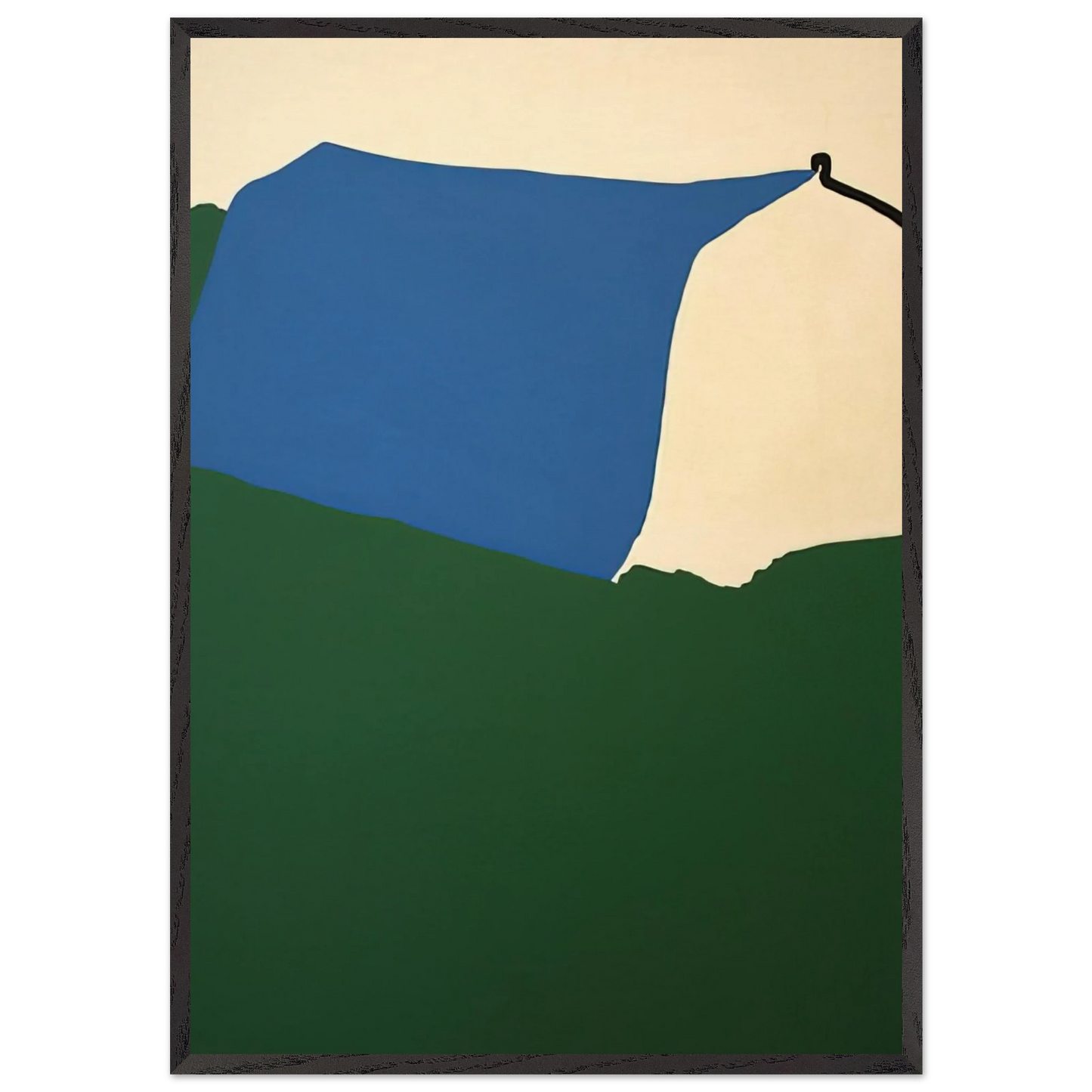
Camping II - 1970 N2 - Raoul De Keyser 70x100 cm / 28x40 inches Framed Art Print – Black Wooden Frame

Camping II - 1970 N2 - Raoul De Keyser 70x100 cm / 28x40 inches Framed Art Print – Black Wooden Frame

정가 $449.99 USD
정가 $999.99 USD 할인가 $449.99 USD
할인 품절
수량

Elevate Your Space with Raoul De Keyser’s Camping II - 1970 N2

Experience the profound simplicity of Belgian master Raoul De Keyser with this museum-quality reproduction of Camping II - 1970 N2. This specific 70x100 cm (28x40 inches) framed art print captures a pivotal moment in De Keyser's career, where he bridged the gap between everyday figuration and poetic abstraction. Part of his celebrated 'New Vision' (Nieuwe Visie) period, this piece transforms the mundane geometry of a tent into a minimalist exploration of line, color, and space.

Historical Significance and Artistic Mastery

Raoul De Keyser is widely regarded as the 'painter's painter.' In Camping II, he moves away from traditional landscapes to focus on the essential forms found in his immediate surroundings. His technique involves a deliberate restraint, allowing the natural white of the canvas (replicated here on our archival museum-quality paper) to interact with subtle, tactile compositions. This work challenges the viewer to find depth in simplicity, making it a sophisticated addition to any contemporary interior.

The RedKalion Archival Standard

At RedKalion, we believe a masterpiece deserves a presentation that endures. This fine art print is produced on 250 gsm (110 lb) matte paper, chosen for its uncoated, natural white finish that avoids distracting glare. The thickness of 0.29 mm ensures the paper remains flat and robust within its frame. Our commitment to sustainability is reflected in the use of FSC-certified materials, ensuring your investment in art supports responsible forestry.

Premium Framing and Presentation

Your artwork arrives in a professional black wooden frame, crafted from responsibly sourced oak and ash. Unlike standard retail frames, our profiles are 20mm (0.79") thick and wide, providing a substantial, gallery-grade presence on your wall. Each print is protected by shatterproof plexiglass, ensuring the colors remain vibrant and protected from the elements. Every order includes a comprehensive hanging kit, making this piece ready to hang directly upon arrival.

전체 세부 정보 보기
What makes this Raoul De Keyser print museum-quality?

We use 250 gsm archival-grade, acid-free paper with a matte finish. This ensures the reproduction maintains the textural integrity of De Keyser's original 1970 work without yellowing or fading over time.

Is the frame included and ready to display?

Yes, your print arrives professionally mounted in a 20mm black wooden frame made of oak or ash. It includes a pre-installed hanging kit, so it is ready for immediate display upon delivery.

How does the paper finish affect the artwork’s appearance?

The print features a matte, uncoated finish. This prevents glare from indoor lighting, allowing you to appreciate the subtle color transitions and minimalist lines of the 'Camping II' composition from any angle.

What are the shipping and protection standards for this print?

Each framed print is protected by shatterproof, transparent plexiglass and shipped in robust, secure packaging to ensure it arrives in pristine condition at your doorstep.

How long will this fine art reproduction last?

By utilizing archival museum-quality paper and FSC-certified materials, this print is designed to last for decades. The archival properties prevent deterioration, preserving the Belgian master's vision for future generations.

What is the significance of the 'Camping' series in De Keyser's career?

The 'Camping' series represents De Keyser’s transition from the Nieuwe Visie movement toward total abstraction. It showcases his ability to find universal aesthetic value in the mundane shapes of suburban life.

How does De Keyser bridge abstraction and figuration in this piece?

De Keyser uses the silhouette of a tent as a structural skeleton. By stripping away detail, he forces the viewer to focus on the tension between the lines and the field of color, a hallmark of mid-century modernism.