
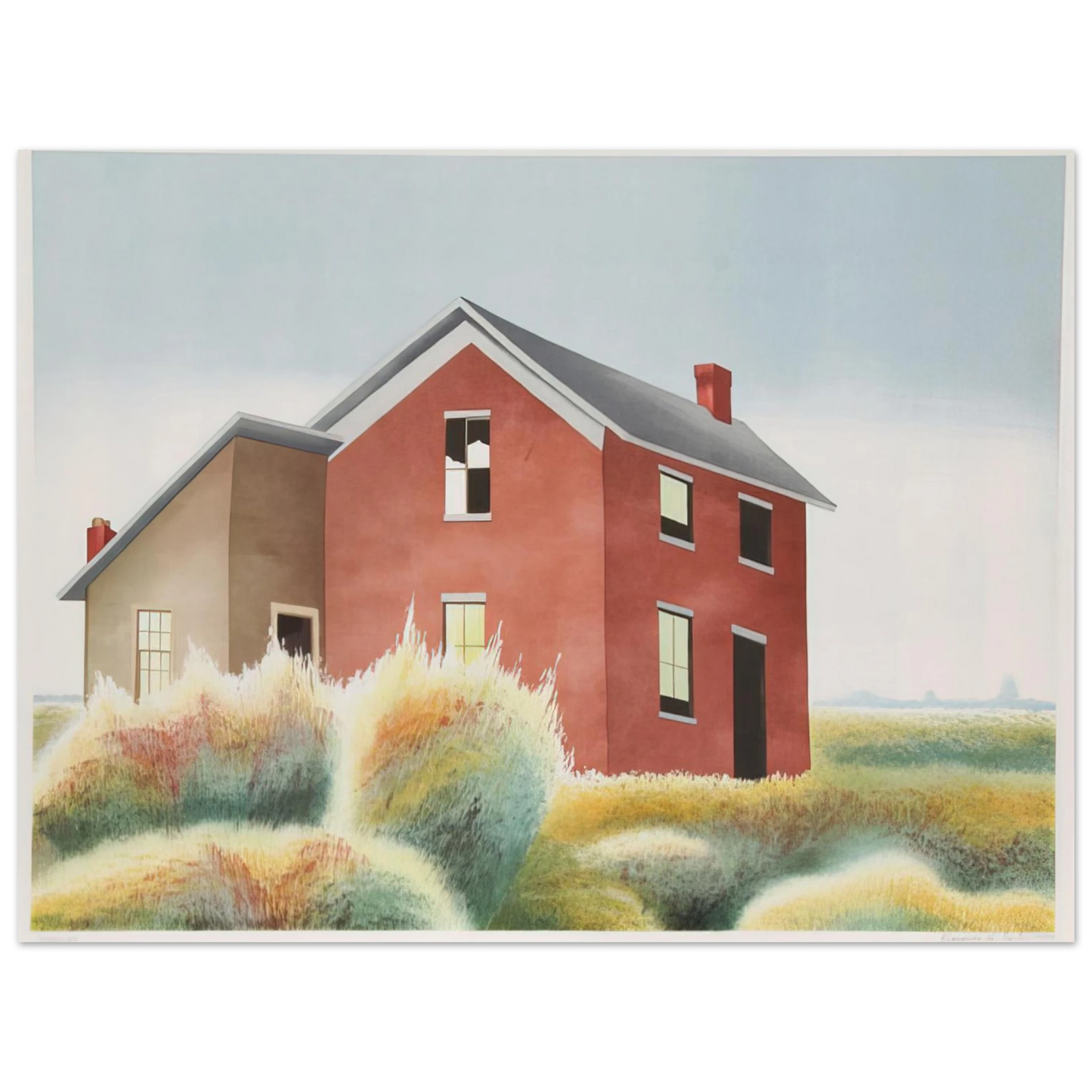
What are the physical specifications of this fine art print?
This print is produced on 250 gsm (110 lb) Master's Edition archival paper. It features a matte, uncoated finish and a thickness of 0.29 mm (11.4 mils), providing a premium, textured feel that reflects the quality of museum-grade reproductions.
How long will the Clarence Holbrook Carter print last without fading?
Our prints are created on acid-free paper with a pH above 7. This archival process prevents yellowing and maintains color integrity for decades, ensuring your Clarence Holbrook Carter reproduction remains a vibrant part of your collection.
Is the paper used for this artwork environmentally friendly?
Yes, RedKalion uses FSC-certified paper for all museum-quality prints. This certification ensures that the materials are sourced from responsibly managed forests, aligning artistic excellence with environmental stewardship.
How is my fine art poster shipped and fulfilled?
We operate on a demand-based fulfillment model with no minimum orders. Each print is carefully packaged to ensure it arrives in gallery-ready condition, typically shipped from the facility nearest to your location to reduce carbon footprint.
Does the print come with a frame or specific mounting?
This listing is for the fine art print only. The natural white, uncoated texture of the 250 gsm paper is optimized for custom framing, allowing you to choose a mounting style that complements your specific interior design.
Who was Clarence Holbrook Carter and what was his style?
Clarence Holbrook Carter was a distinguished American painter known for blending Precisionism with Magic Realism. His work, like 'Homestead', often features architectural clarity and surreal, quiet atmospheres that explore the relationship between man-made structures and the natural world.
What is the significance of the 'Homestead' (1979) piece?
Created in 1979, 'Homestead' represents Carter's mature style, where he focused on the isolation and geometry of rural American landscapes. It evokes a sense of nostalgia and mystery, characteristic of his unique contribution to 20th-century American art.