

RedKalion
GLADIOLI 1942 - Raoul Dufy Brushed Aluminum Print - 70x100 cm / 28x40 inches | Raoul Dufy Aluminum Print | Raoul Dufy Prints
GLADIOLI 1942 - Raoul Dufy Brushed Aluminum Print - 70x100 cm / 28x40 inches | Raoul Dufy Aluminum Print | Raoul Dufy Prints
픽업 사용 가능 여부를 로드할 수 없습니다.
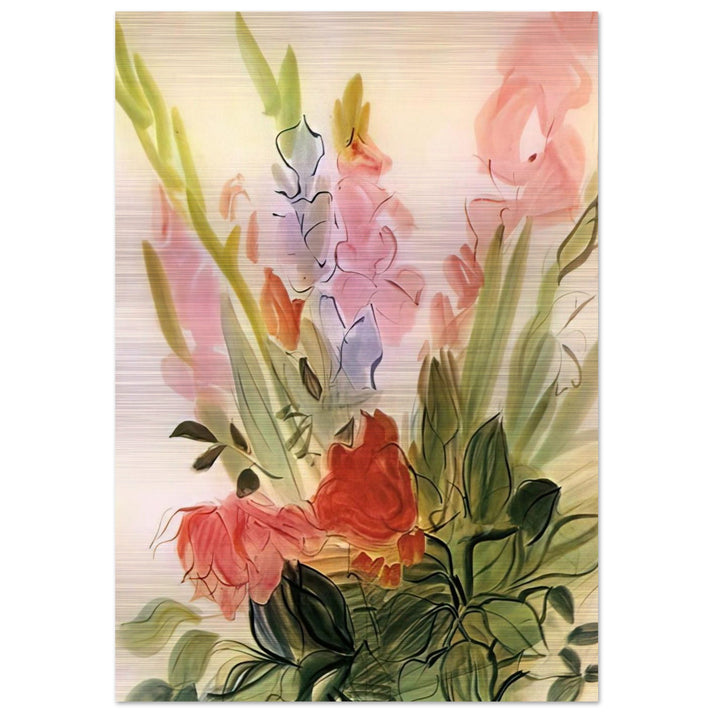
Gladioli 1942 by Raoul Dufy: A Vibrant Floral Masterpiece on Brushed Aluminum
Immerse your space in the joyful, expressive world of Raoul Dufy with this museum-quality reproduction of "Gladioli 1942." This archival-grade print captures Dufy's signature Fauvist style—characterized by bold, non-naturalistic colors and fluid brushstrokes—transforming a simple floral subject into a celebration of light and form. Created during World War II, this work reflects Dufy's enduring optimism and his ability to find beauty in everyday life, making it a timeless addition to any interior.
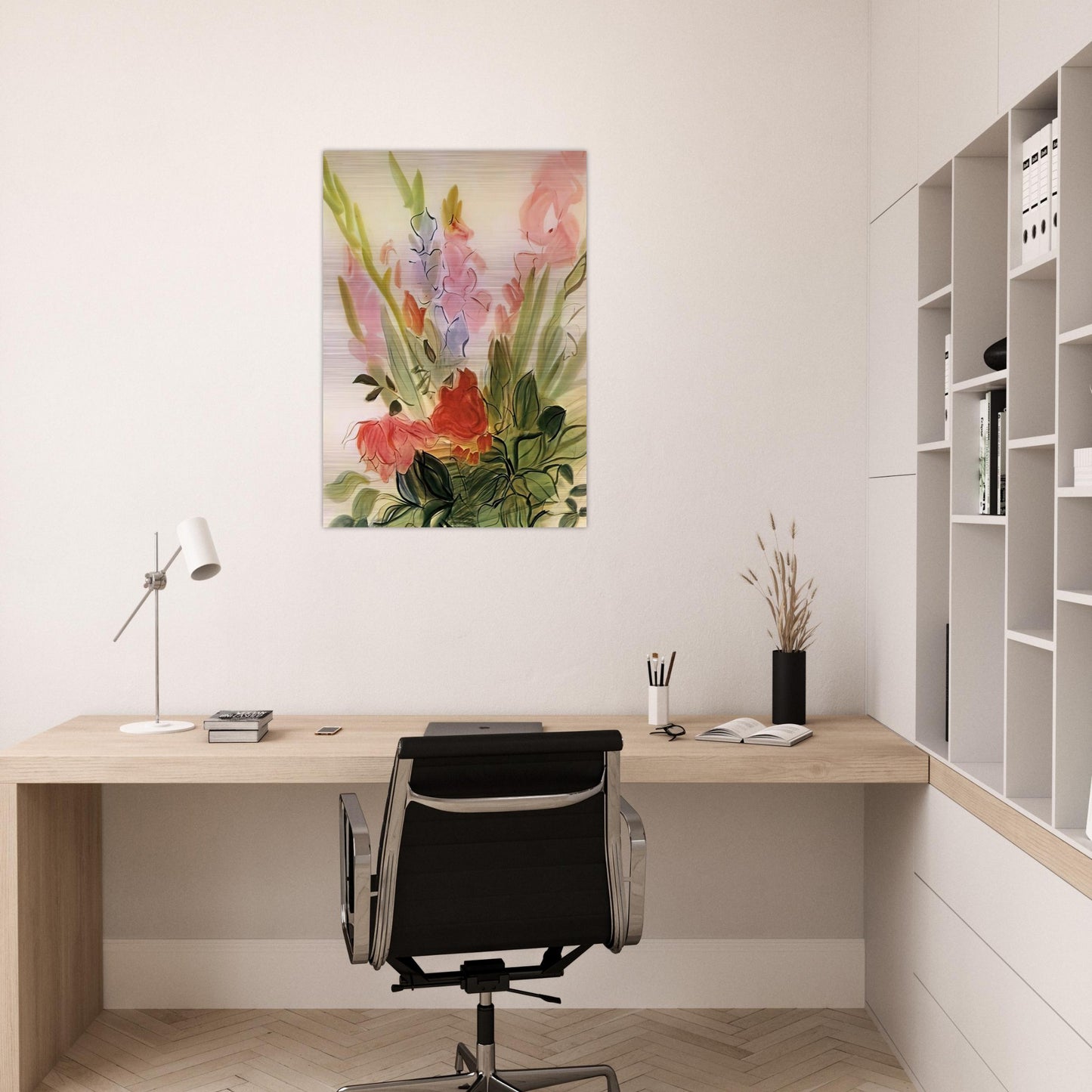
RedKalion presents this iconic artwork on premium brushed silver Aluminum DIBOND®, a material that enhances Dufy's vibrant palette with a contemporary edge. The 3mm (0.12") thick base ensures durability and rigidity, while the direct print technology delivers vivid, fade-resistant colors with a sophisticated matte finish. Unprinted white areas reveal a striking metallic silver effect, adding depth and a dynamic, horizontal grain that complements the artwork's energetic composition.
Each print includes a complete hanging kit for effortless installation, allowing you to showcase this piece as a focal point in living rooms, offices, or galleries. Elevate your decor with a fine art reproduction that combines historical significance with modern craftsmanship, backed by RedKalion's commitment to archival excellence.
- Artwork: Gladioli 1942 by Raoul Dufy
- Material: Brushed silver Aluminum DIBOND® with metallic finish and horizontal grain
- Dimensions: 70x100 cm / 28x40 inches
- Thickness: 3mm (0.12") for a durable, rigid base
- Printing: Direct print on AluDibond for vivid colors and matte finish
- Finish: Matte, glare-free, ideal for black-and-white designs with brushed silver effect
- Included: Hanging kit (varies by fulfillment country)


Discover Unlimited Art Possibilities
At RedKalion, you can find virtually any artwork from any artist, available in a wide range of sizes to perfectly match your space.
If you didn’t find what you’re looking for, contact us at support@redkalion.com . We will source any artwork and produce it in any size and format you need, including art prints, posters, canvas, framed pieces, framed canvas, and more.
For dedicated art enthusiasts, we also offer handcrafted replicas of any artwork, carefully painted by highly skilled artists using traditional techniques.
For custom requests, contact us at support@redkalion.com .
What is the historical significance of Raoul Dufy's Gladioli 1942?
Created during World War II, Gladioli 1942 showcases Raoul Dufy's Fauvist style, using bold colors and fluid brushstrokes to express optimism and find beauty in everyday floral subjects, making it a timeless fine art print.
How does the brushed aluminum material enhance this Dufy print?
The brushed silver Aluminum DIBOND® adds a contemporary metallic finish and horizontal grain, complementing Dufy's vibrant palette with a dynamic look and durable, rigid base for a museum-quality reproduction.
What are the specifications of this aluminum print?
This print measures 70x100 cm (28x40 inches) on 3mm thick Aluminum DIBOND®, featuring direct printing for vivid colors, a matte finish, and a metallic silver effect in unprinted areas.
Is the hanging kit included with this artwork?
Yes, a complete hanging kit is included for easy installation, though specific components may vary by fulfillment country to ensure optimal mounting.
How durable and archival is this aluminum print?
Made with fade-resistant direct printing on Aluminum DIBOND®, this print offers long-lasting vibrancy and is ideal for archival display in homes or offices.
Why is the matte finish ideal for this artwork?
The matte, glare-free finish highlights Dufy's black-and-white and color contrasts while reducing reflections, making it perfect for viewing in various lighting conditions.
What makes Dufy's Fauvist technique unique in this piece?
Dufy's technique in Gladioli 1942 uses non-naturalistic colors and loose brushstrokes to evoke emotion and light, characteristic of the Fauvist movement, enhancing its appeal as a fine art reproduction.