
Discover Unlimited Art Possibilities
At RedKalion, you can find virtually any artwork from any artist, available in a wide range of sizes to perfectly match your space.
If you didn’t find what you’re looking for, contact us at support@redkalion.com . We will source any artwork and produce it in any size and format you need, including art prints, posters, canvas, framed pieces, framed canvas, and more.
For dedicated art enthusiasts, we also offer handcrafted replicas of any artwork, carefully painted by highly skilled artists using traditional techniques.
For custom requests, contact us at support@redkalion.com .
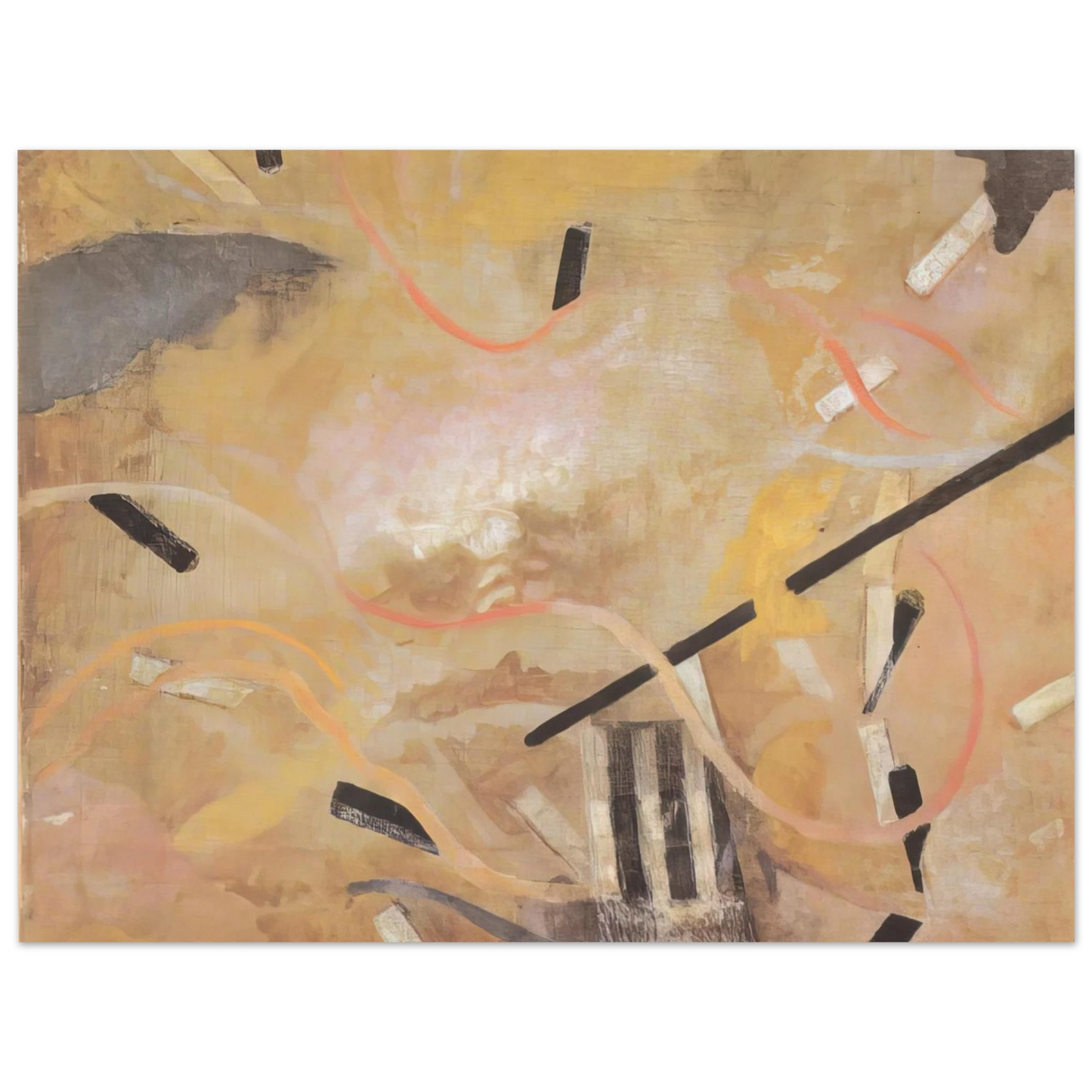
What are the dimensions and details of this Julius Evola fine art print?
This museum-quality reproduction measures 75x100 cm (30x40 inches), capturing the original 1918 artwork's scale and intricate details for an authentic display.
What type of paper is used for this archival fine art poster?
It's printed on Master's Edition archival paper, featuring a matte, uncoated finish and natural white hue for a luxurious texture and long-lasting quality.
How does the acid-free paper ensure longevity for this art print?
With a pH above 7, this acid-free paper prevents yellowing over time, making it a durable choice for preserving Evola's aesthetic idealism.
What are the weight and sustainability features of this paper?
The paper is 250 gsm (110 lb), 0.29 mm thick, and FSC-certified, offering a premium, eco-friendly base for your museum-quality reproduction.
How is this fine art print shipped and are there minimum orders?
Printed and shipped on demand with no minimum orders, ensuring a fresh, high-quality Julius Evola poster delivered directly to you.
What historical context surrounds Julius Evola's "The Tendency of Aesthetic Idealism" from 1918?
Created post-World War I, this work reflects Evola's early avant-garde phase, blending metaphysical abstraction with influences from Dada and his philosophical ideals.
How does this artwork represent Evola's transition between art and philosophy?
It showcases his exploration of aesthetic idealism, serving as a visual precursor to his later writings on tradition and spiritual transcendence in modernist art.