
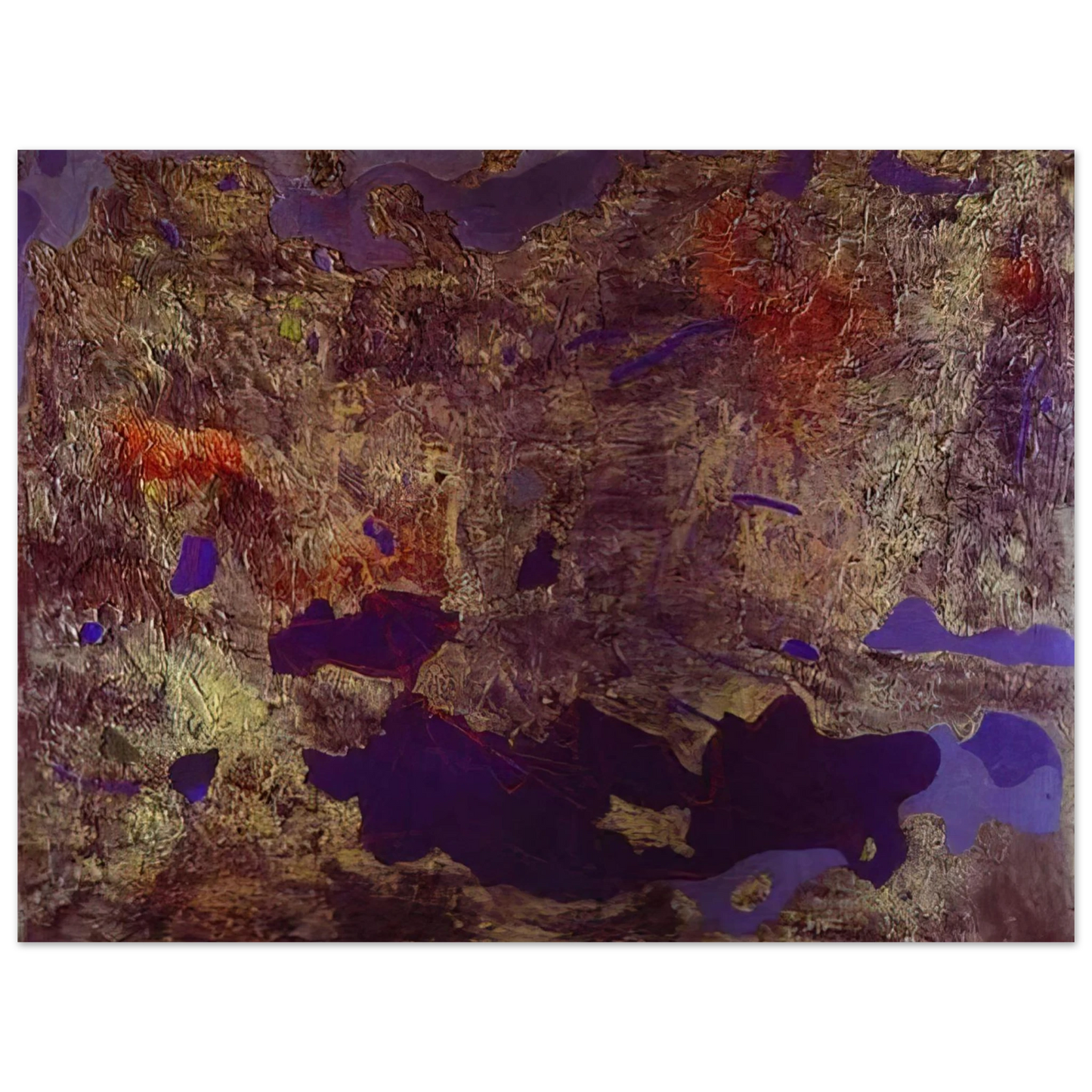
What is the historical significance of Max Ernst's "Europe after the Rain I"?
Created during 1940-1942, this Surrealist masterpiece reflects post-war Europe's psychological decay using Ernst's grattage technique, symbolizing erosion and renewal in a dreamlike landscape.
What are the dimensions and paper quality of this fine art print?
This museum-quality reproduction measures 75x100 cm (30x40 inches) on Master's Edition archival paper, featuring a matte, uncoated finish with natural white color for premium texture.
How does the acid-free paper ensure longevity for my art print?
Our acid-free paper has a pH above 7, preventing yellowing over time to maintain the vibrant colors and details of this Surrealist print for generations.
What is the weight and thickness of the paper used for this poster?
The paper is 250 gsm (110 lb) with a thickness of 0.29 mm (11.4 mils), offering durability and a luxurious feel for your Max Ernst artwork display.
Is this print sustainable and how is it shipped?
Yes, it uses FSC-certified paper and is printed and shipped on demand with no minimum orders, ensuring eco-friendly fulfillment and personalized service.
What technique did Max Ernst use in "Europe after the Rain I"?
Ernst employed the grattage technique, scraping paint over textured surfaces to create eroded, organic forms that evoke a surreal, apocalyptic mood.
How does the matte finish enhance this Surrealist art reproduction?
The matte, uncoated finish reduces glare and adds a natural texture, closely replicating the original artwork's tactile depth and visual impact.