
Discover Unlimited Art Possibilities
At RedKalion, you can find virtually any artwork from any artist, available in a wide range of sizes to perfectly match your space.
If you didn’t find what you’re looking for, contact us at support@redkalion.com . We will source any artwork and produce it in any size and format you need, including art prints, posters, canvas, framed pieces, framed canvas, and more.
For dedicated art enthusiasts, we also offer handcrafted replicas of any artwork, carefully painted by highly skilled artists using traditional techniques.
For custom requests, contact us at support@redkalion.com .
What are the paper specifications for this Matisse print?
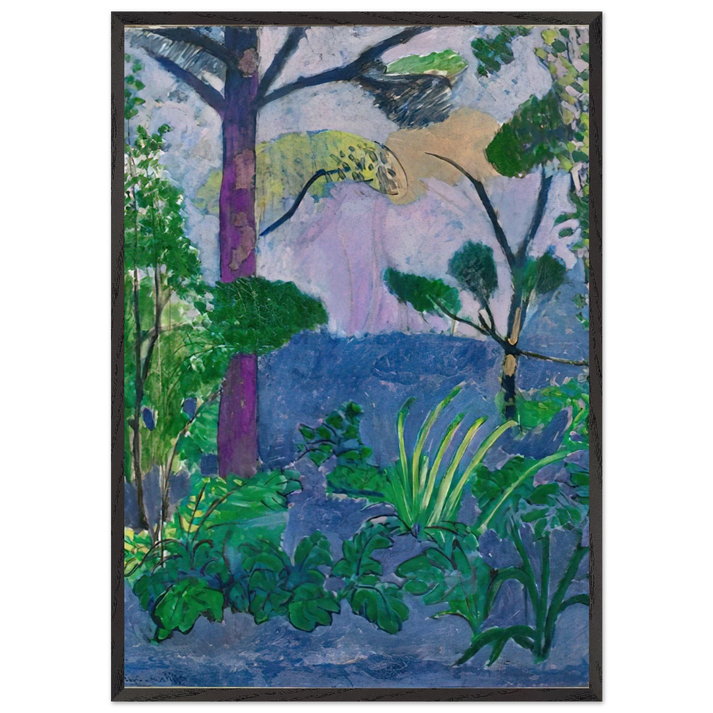
We use 250 gsm (110 lb) natural white archival paper. This museum-quality, uncoated matte paper ensures color longevity and prevents yellowing, making it ideal for fine art reproductions like ACANTHUS MOROCCAN LANDSCAPE 1912.
Is the frame sustainably sourced?
Yes. Our frames are crafted from FSC-certified oak and ash wood. We prioritize sustainability by using responsibly sourced materials that meet high environmental standards, ensuring your art print is as ethical as it is beautiful.
How is the artwork protected during shipping and display?
Each framed print is protected by shatterproof plexiglass, which offers superior clarity while safeguarding the artwork from damage. We use secure, reinforced packaging to ensure your Henri Matisse print arrives in pristine condition.
Is the art print ready to hang upon arrival?
Absolutely. Your 70x100 cm framed print includes a professional-grade hanging kit. The 20mm thick black wooden frame is pre-assembled, allowing you to display your museum-quality masterpiece immediately upon delivery.
What defines the archival quality of this print?
Archival quality refers to the paper's 0.29 mm thickness and its acid-free, natural white composition. Combined with high-grade inks, this ensures the print maintains its vibrancy for decades without fading or degradation.
Why is Matisse’s 1912 Moroccan period significant in art history?
Matisse's trips to Morocco in 1912 were pivotal for his exploration of light and space. These works represent a shift toward decorative abstraction and the use of 'ambient' light, influencing the trajectory of modernism.
What does the 'Acanthus' represent in this landscape?
In this piece, the Acanthus plant provides a decorative, architectural framework. Matisse used these botanical shapes to structure the composition, harmonizing the wildness of nature with a sense of classical order and rhythm.