Skip to product information
1 of 1

RedKalion

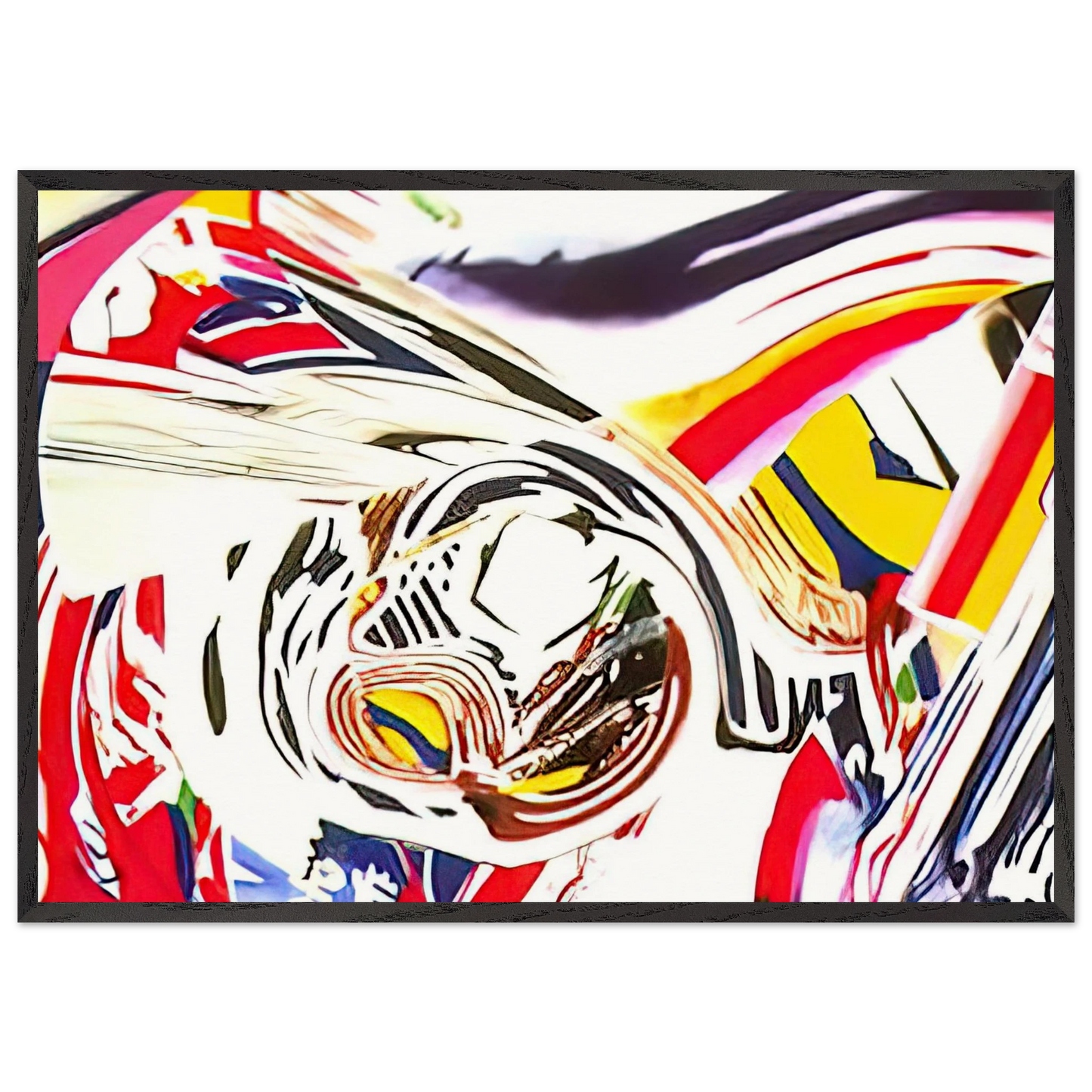
After Berlin V - James Rosenquist 70x100 cm / 28x40 inches Framed Art Print – Black Wooden Frame

After Berlin V - James Rosenquist 70x100 cm / 28x40 inches Framed Art Print – Black Wooden Frame

Regular price $449.99 USD
Regular price $999.99 USD Sale price $449.99 USD
Sale Sold out
Quantity

Elevate Your Space with James Rosenquist’s After Berlin V

Experience the profound visual dialogue of Pop Art pioneer James Rosenquist with this museum-quality reproduction of After Berlin V. Originally conceived during a period of intense political and social transformation, this piece showcases Rosenquist’s signature style: a masterful fragmentation of imagery that challenges the viewer's perception of scale and subject. This fine art print brings the energy of the 20th-century avant-garde into the modern interior, offering a sophisticated focal point for collectors and design enthusiasts alike.

The Artistry Behind the Masterpiece

James Rosenquist, a central figure in the American Pop Art movement, utilized his background as a billboard painter to create works that feel both industrial and intimate. In After Berlin V, the artist employs a complex layering technique, juxtaposing disparate elements to evoke the tension and fractured reality of the Cold War era. At RedKalion, we preserve the integrity of this vision through high-fidelity printing that captures every tonal nuance and sharp edge of the original composition.

Archival Quality & Premium Craftsmanship

Every museum-quality reproduction from RedKalion is crafted to endure for generations. This 70x100 cm (28x40 inches) framed art print is produced on 250 gsm (110 lb) archival paper, ensuring a substantial feel and exceptional ink absorption. The natural white, matte finish eliminates glare, allowing the bold colors of Rosenquist’s palette to remain the star of the room.

  • Sustainably Sourced: Framed in responsibly sourced black ash and oak wood, meeting FSC-certified standards.
  • Robust Profile: Features a 20mm (0.79") frame thickness, providing a more premium, substantial presence than standard thin frames.
  • Crystal Clear Protection: Encased in shatterproof plexiglass for maximum clarity and safety.
  • Ready-to-Hang: Arrives with a professional hanging kit, allowing you to transform your gallery wall immediately.

By choosing RedKalion, you are investing in a curated piece of art history, meticulously reproduced to meet the highest standards of archival longevity and aesthetic excellence.

View full details
What makes the paper quality unique for this Rosenquist print?

We use 250 gsm (110 lb) museum-quality paper. It is archival, acid-free, and features a matte, uncoated finish that ensures the colors remain vibrant and do not yellow over time.

Is the frame made of real wood?

Yes, our frames are crafted from responsibly sourced oak and ash wood. This 20mm thick black wooden frame provides a sturdy, premium aesthetic that exceeds the quality of standard gallery frames.

Does the print come ready to hang on the wall?

Absolutely. Your After Berlin V print arrives fully assembled in its frame and includes a dedicated hanging kit for effortless installation right out of the box.

How is the artwork protected during shipping?

Each print is protected by shatterproof plexiglass and securely packaged. This ensures your James Rosenquist fine art print arrives in pristine condition, ready for display.

Are the materials used for this print sustainable?

RedKalion is committed to sustainability. We use FSC-certified wood and paper (or equivalent local certifications) to ensure your artwork supports responsible forest management.

What is the significance of 'After Berlin V' in Pop Art history?

After Berlin V reflects Rosenquist's fascination with the Cold War and divided landscapes. It uses billboard-inspired fragments to comment on political tension and consumer culture through a surrealist lens.

Why did James Rosenquist use fragmented imagery?

Rosenquist’s collage style was influenced by his work as a billboard painter. He used scale and fragmentation to force viewers to look closer at everyday objects, turning mundane items into profound social commentary.