
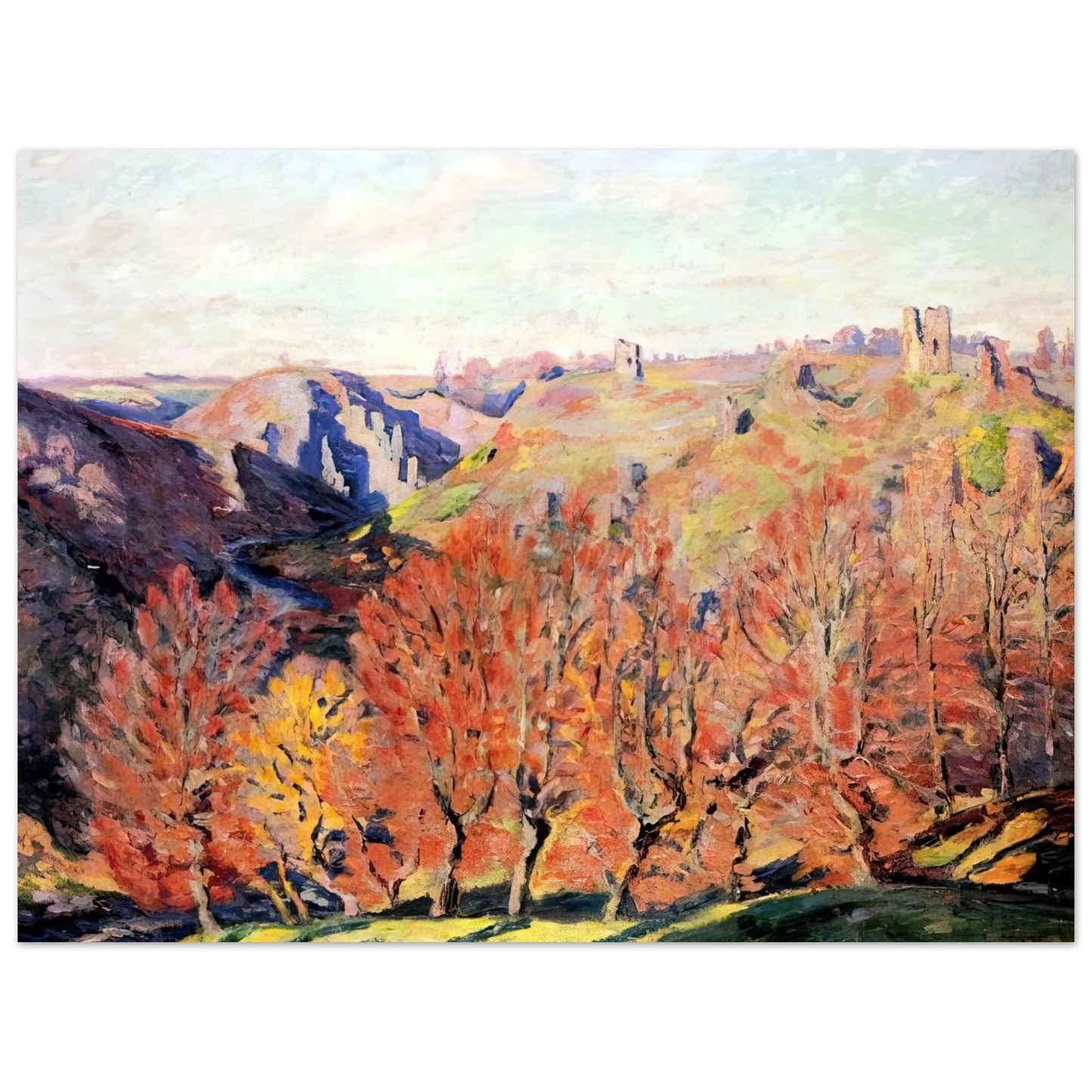
What makes this Armand Guillaumin print museum-quality?
Our prints use Master's Edition archival paper (250 gsm) that is acid-free and FSC-certified. This ensures high-resolution detail and color fidelity that meets the standards of professional galleries and museums for long-term display.
How does the 250 gsm paper affect the appearance of the artwork?
The 250 gsm (110 lb) paper provides a premium, heavy-weight feel. Its thickness of 0.29 mm and matte, uncoated finish offer a luxurious texture that prevents glare and enhances the depth of Guillaumin’s vibrant palette.
Is the paper used for this fine art poster sustainable?
Yes, we prioritize environmental health by using FSC-certified paper. This ensures that the materials for your archival print are sourced from responsibly managed forests that provide environmental, social, and economic benefits.
What are the archival properties of this print?
The paper is acid-free with a pH value above 7, which prevents the natural yellowing and brittleness that affects standard posters. This archival quality ensures your investment remains a vibrant centerpiece for decades.
How is my order fulfilled and shipped?
At RedKalion, we operate on a print-on-demand basis with no minimum order requirements. Your 75x100 cm print is carefully produced and shipped in protective packaging to ensure it arrives in pristine condition.
Where is Crozant located and why did Guillaumin paint it so often?
Crozant is a village in the Creuse department of central France. Guillaumin was captivated by its ruins and valley landscape, becoming a central figure of the 'École de Crozant' after winning the lottery gave him financial freedom.
What artistic movement does 'Les Ruines à Crozant' represent?
This 1897 piece is a prime example of Post-Impressionism. Guillaumin’s use of high-contrast, non-naturalistic colors in this work heavily influenced the upcoming Fauvist movement, led by artists like Henri Matisse.