
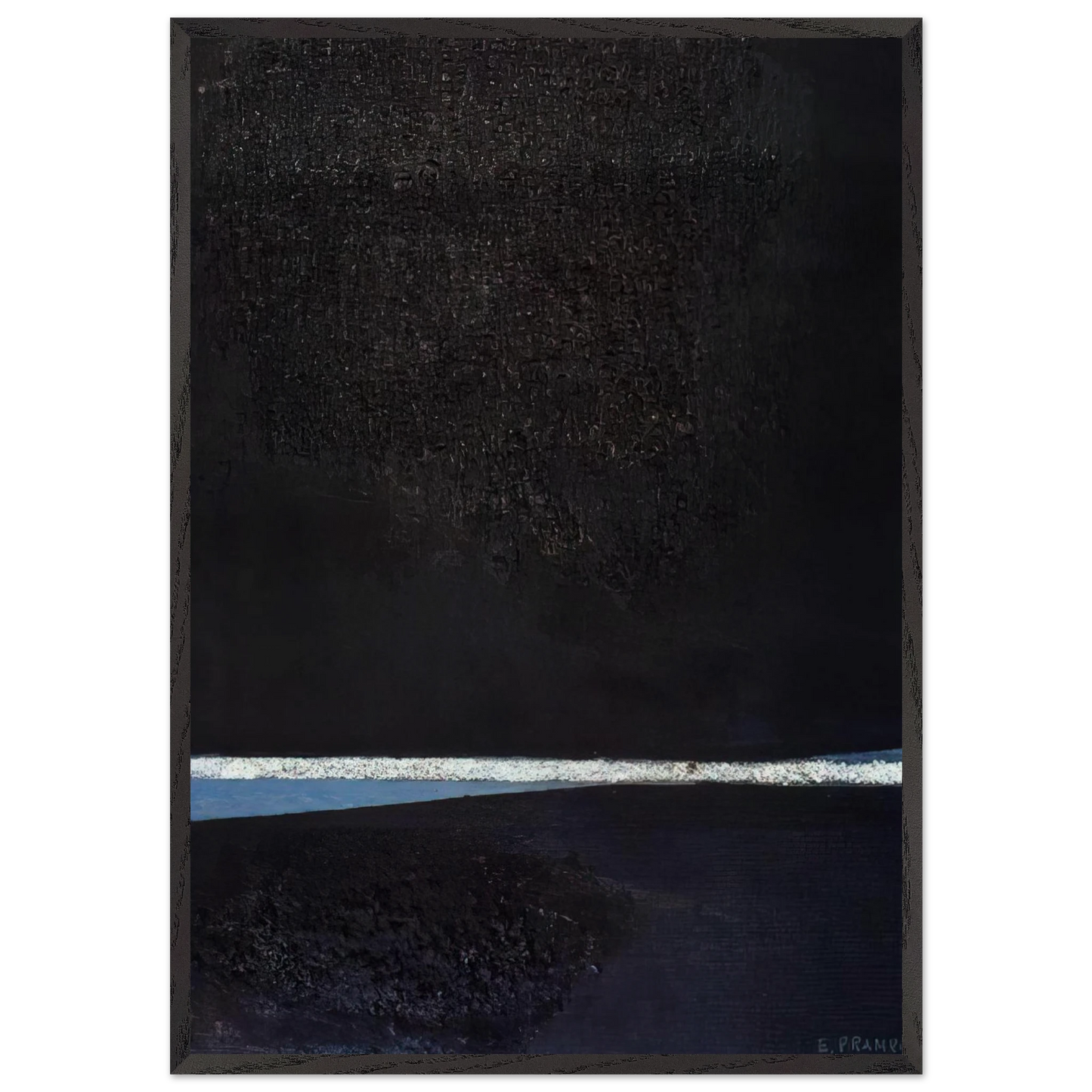
What are the technical specifications of the paper used for this print?
We use 250 gsm (110 lb) natural white, archival museum-quality paper. It features a matte, uncoated finish and a thickness of 0.29 mm, ensuring high-definition color reproduction and long-term durability for your Enrico Prampolini fine art print.
Is the frame made of real wood or a synthetic material?
The frame is constructed from premium, responsibly sourced oak and ash wood. It measures 20mm (0.79") in width and thickness, providing a more robust and sophisticated profile compared to standard 14mm frames.
How is the artwork protected from environmental damage?
Each framed print is protected by shatterproof plexiglass, which offers superior clarity while safeguarding the archival paper from dust and physical impact. The use of FSC-certified materials further ensures environmental sustainability and material integrity.
Does the print arrive ready to hang on the wall?
Yes, your artwork includes a professional-grade hanging kit. The frame is fully assembled and ready to hang directly upon arrival, allowing for an effortless installation in your home or gallery space.
Will the colors of the print fade over time?
No, we utilize archival-grade, acid-free museum paper and high-pigment inks. This combination is designed to prevent yellowing and fading, ensuring that the vibrancy of Prampolini's 1955 masterpiece endures for decades.
What is the historical significance of 'Astrazione Plastica X'?
Created in 1955, this work represents Enrico Prampolini's late-career mastery of 'Plastic Abstraction.' It signifies the artist's move from Futurist dynamism to a more structured, geometric language that influenced mid-century modernism across Europe.
Who was Enrico Prampolini in the context of art history?
Enrico Prampolini was a central figure in Italian Futurism and a pioneer of abstract art. Known for his work in painting, stage design, and architecture, he was instrumental in connecting Italian avant-garde movements with international abstraction.