
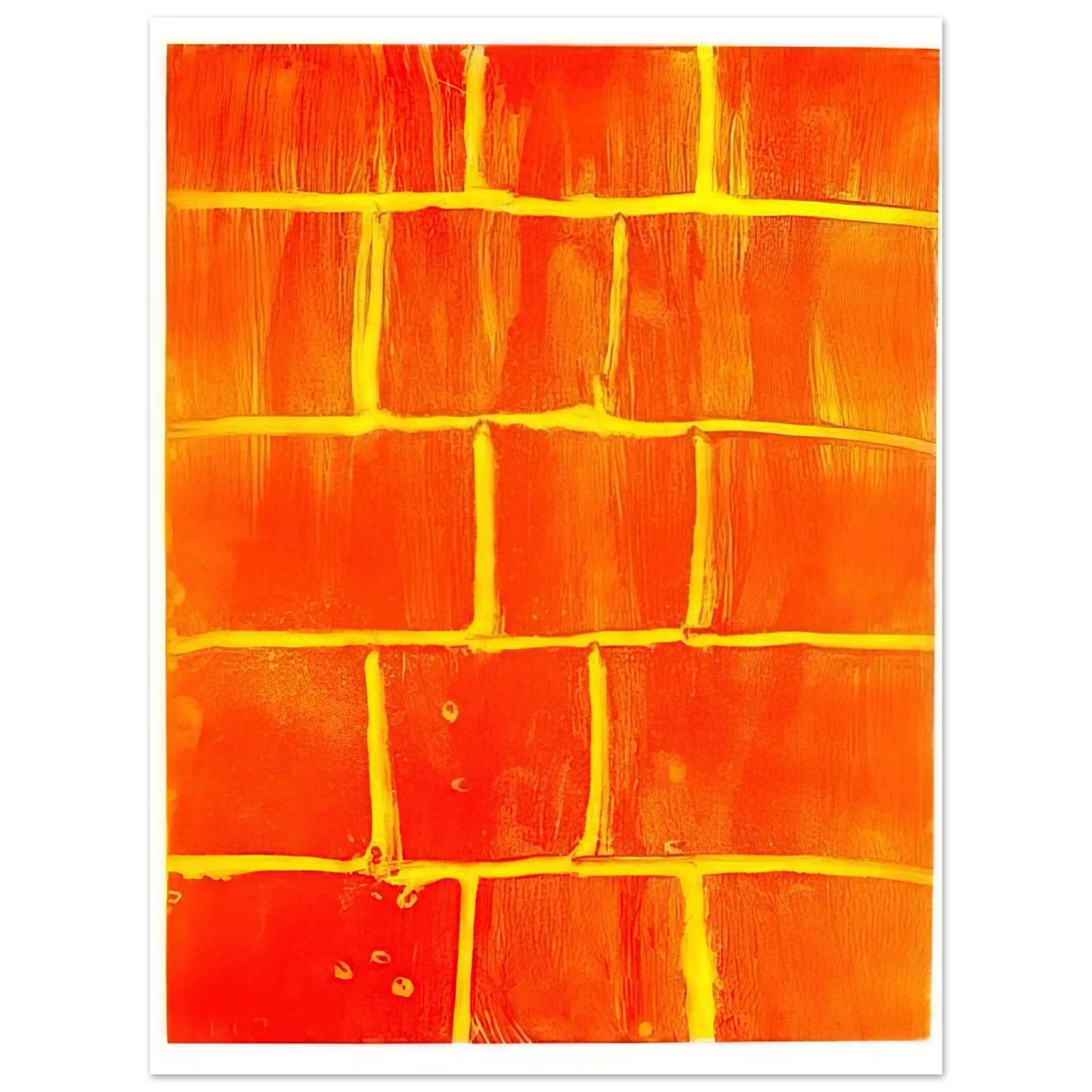
What is the historical significance of Günther Förg's Heliogravuren zu den Documenta Bildern?
This 1993 work by German artist Günther Förg uses heliogravure, a photomechanical technique, to explore abstraction and materiality, created for the prestigious Documenta exhibition, reflecting post-war European art's intellectual depth and making it a key piece for fine art print collectors.
How does the heliogravure technique impact the visual quality of this print?
Heliogravure produces rich, velvety blacks and subtle tonal gradations, enhancing the minimalist elegance of this Documenta-inspired artwork, captured in our museum-quality reproduction for an authentic archival-grade experience.
What are the specifications of the paper used for this fine art poster?
Printed on Master's Edition archival paper, it features a matte, uncoated finish in natural white, with 250 gsm weight, 0.29 mm thickness, and acid-free composition for a luxurious texture and long-lasting museum-quality print.
How does the acid-free paper ensure the longevity of this artwork reproduction?
The acid-free paper (pH above 7) prevents yellowing over time, preserving the integrity of this Günther Förg print as an archival masterpiece that endures for generations.
Is this print sustainable and eco-friendly?
Yes, it uses FSC-certified paper, ensuring responsible sourcing and making this fine art poster a sustainable choice for environmentally conscious art lovers.
How is this print shipped and are there minimum order requirements?
Printed and shipped on demand with no minimum orders, offering flexible fulfillment for acquiring this Documenta-inspired fine art print conveniently.
What makes RedKalion a trusted source for this museum-quality reproduction?
RedKalion combines art historical expertise with premium archival materials, curating world-class reproductions like this Günther Förg piece to build authority and trust among collectors.