
What are the details of the "Thistles N1" artwork by John Singer Sargent?
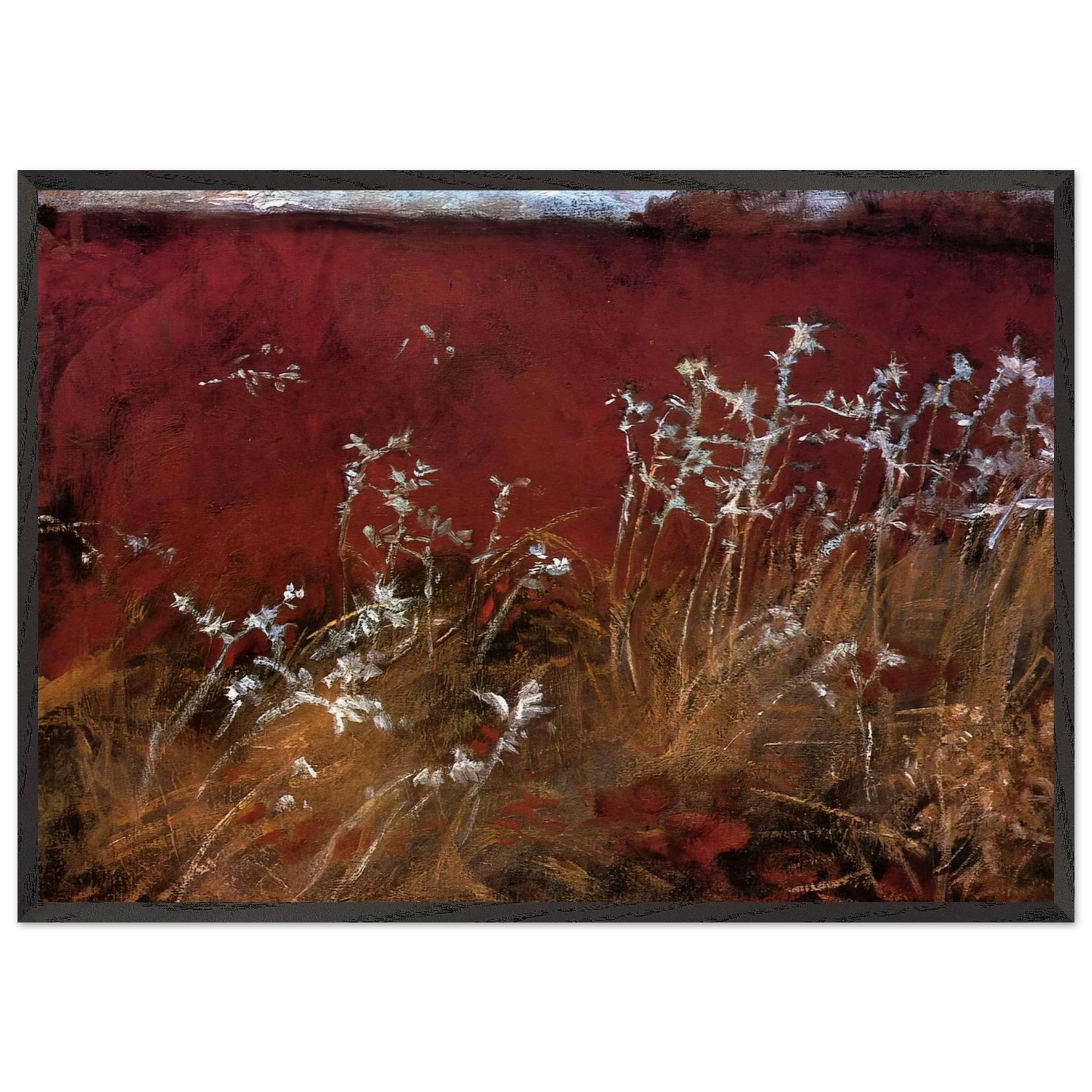
"Thistles N1" is a botanical study by John Singer Sargent, created in the late 19th century. It showcases his skill in realism and tonal variation, depicting thistles with delicate precision, reflecting his lesser-known interest in natural subjects beyond portraiture.
What are the specifications of the paper used for this fine art print?
The print uses archival museum-quality paper: 250 gsm (110 lb) weight, 0.29 mm (11.4 mils) thickness, with a matte, uncoated, natural white finish. It's FSC-certified for sustainability, ensuring vibrant colors and long-term durability for your framed art print.
How is the black wooden frame constructed and what are its measurements?
The frame is made from responsibly sourced oak and ash wood, with measurements of 20mm (0.79") thick and wide—wider than classic 14mm frames. It includes a hanging kit, making this framed art print ready-to-hang directly on your wall.
How is the print protected and what shipping logistics can I expect?
The print is protected by shatterproof plexiglass. It ships ready-to-hang with secure packaging to ensure safe delivery of your museum-quality reproduction, with standard shipping times and tracking provided upon order confirmation.
How long will this archival print last and what makes it museum-quality?
Using archival materials and FSC-certified paper, this print resists fading and degradation for decades. Its museum-quality reproduction standards ensure accurate color reproduction and durability, making it a lasting investment for fine art enthusiasts.
Why did John Singer Sargent paint thistles, and what era does this work represent?
Sargent painted "Thistles N1" in the late 19th century, a period of artistic exploration beyond his portrait fame. It reflects the Victorian interest in botanical illustration and his personal study of light and form in natural settings.
What techniques did Sargent use to achieve the detail in "Thistles N1"?
Sargent employed subtle brushwork and tonal gradation in "Thistles N1," using oil paints to create realistic textures and depth. This technique highlights his mastery in capturing light and shadow, similar to his portrait works but applied to still life.