RedKalion
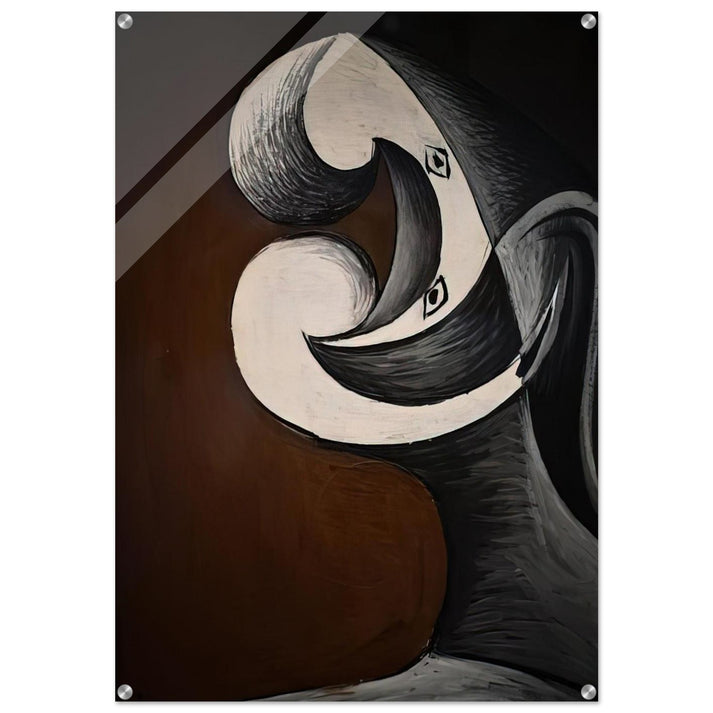
Abstraction Head - 1930 - Pablo Picasso Acrylic Print - 70x100 cm / 28x40″ inches | Pablo Picasso Wall Art | Pablo Picasso Prints
Abstraction Head - 1930 - Pablo Picasso Acrylic Print - 70x100 cm / 28x40″ inches | Pablo Picasso Wall Art | Pablo Picasso Prints
Kan beschikbaarheid voor afhalen niet laden
Elevate Your Space with Picasso's Surrealist Vision
Experience the transformative power of modern art with the Abstraction Head - 1930 - Pablo Picasso Acrylic Print. This museum-quality reproduction captures a pivotal moment in Picasso’s career, where his explorations of the human form began to lean heavily into biomorphic abstraction and surrealist distortion. At RedKalion, we meticulously curate these archival-grade prints to ensure that every bold line and nuanced shade of the original 1930 masterpiece is preserved with breathtaking clarity.
The Artistry of 1930: A Masterclass in Form
During the early 1930s, Pablo Picasso moved away from the analytical rigors of Cubism toward a more fluid, dreamlike aesthetic. Abstraction Head represents his fascination with monumental sculptures and the psychological depths of the subconscious. Our Pablo Picasso Wall Art renders these historical complexities in stunning detail, providing a focal point that is both intellectually stimulating and visually arresting.
Sophisticated Craftsmanship and Modern Presentation
Designed for the discerning collector, this Pablo Picasso print is presented on premium 4mm (0.15") acrylic. The material's inherent luminosity enhances the vibrant contrast of the artwork, while the straight-cut corners offer a sleek, contemporary silhouette. To ensure a seamless installation, each piece arrives with a professional hanging kit, including hardware and pre-drilled holes positioned 14mm from the edges for a secure and balanced display. Unlike standard paper prints, our acrylic mounting provides a durable, glass-like finish that protects the artwork from moisture and wear.
RedKalion Excellence: Archival Quality That Endures
Choosing RedKalion means investing in an heirloom-quality reproduction. Our fine art prints are crafted to meet museum standards, ensuring that the visual impact of your Picasso remains vibrant for decades. This 70x100 cm (28x40") masterpiece is more than a wall hanging; it is a testament to art history, bringing the legacy of the 20th century's most influential artist into the modern home.

Discover Unlimited Art Possibilities
At RedKalion, you can find virtually any artwork from any artist, available in a wide range of sizes to perfectly match your space.
If you didn’t find what you’re looking for, contact us at support@redkalion.com . We will source any artwork and produce it in any size and format you need, including art prints, posters, canvas, framed pieces, framed canvas, and more.
For dedicated art enthusiasts, we also offer handcrafted replicas of any artwork, carefully painted by highly skilled artists using traditional techniques.
For custom requests, contact us at support@redkalion.com .
What material is used for the Abstraction Head print?
This print is crafted from 4mm (0.15") high-quality acrylic, providing a vibrant, durable, and sleek finish that enhances the depth of Picasso's original 1930 work.
How is the Picasso acrylic print mounted?
The print includes a specialized hanging kit with screws. Pre-drilled holes (8mm diameter) are located at each corner, 14mm from the edge, for easy installation.
Will the colors fade over time?
No. RedKalion uses archival-grade printing technology and UV-resistant acrylic to ensure your fine art reproduction maintains its original color brilliance and clarity for years.
What is the significance of the 1930 "Abstraction Head"?
Created in 1930, this piece marks Picasso's transition into Surrealism and biomorphic abstraction, often reflecting his sculptural experiments and the influence of Marie-Thérèse Walter.
How are transparent areas handled in the print?
For optimal visual presentation and color accuracy, any transparent backgrounds in the digital file are printed with a solid white backing on the acrylic.
Is international shipping available for this Picasso piece?
Yes, RedKalion offers secure, global shipping. Each acrylic print is carefully packaged to ensure it arrives in pristine condition at your doorstep, wherever you are.
What artistic phase does this work represent?
This work represents Picasso's Surrealist period, characterized by distorted anatomy, psychological depth, and a move toward fluid, monumental forms that challenged traditional portraiture.